Zion's Hidden Secrets: Ditch the Crowds, Find th...
Zion National Park. The name alone conjures images of towering sandstone cliffs, emerald pools, and perhaps, the daunting chains of Angels Landing. But what if I told you there's a Zion beyond the shuttle lines and lottery systems? As a seasoned hiker, I've learned that the true heart of Zion lies in its less-traveled trails, where you can immerse yourself in its geological majesty and ecological wonders without battling hordes of tourists. This isn't just about escaping the crowds; it's about experiencing Zion on a deeper level, understanding the forces that shaped it, and appreciating the delicate balance of life that thrives within its canyons. So, lace up your boots, grab your water bottle, and let's discover Zion's hidden secrets together.
Beyond Angels Landing: Finding Solitude in Zion
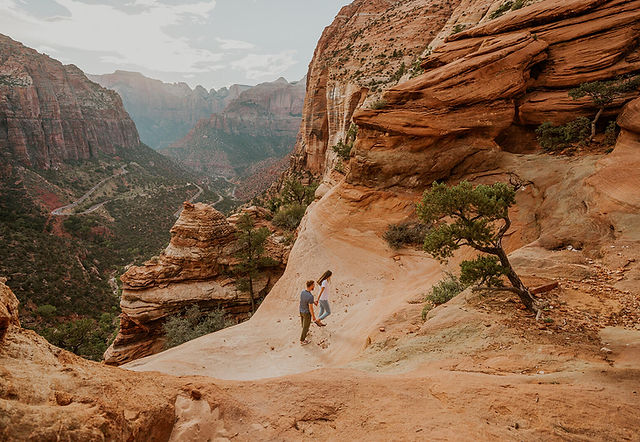
Let's face it: Angels Landing is iconic, and for many, it's a bucket-list hike. But with the current lottery system and the sheer number of people vying for a permit, the experience can feel more like an amusement park ride than a wilderness adventure. And while Observation Point is another breathtaking vista, its accessibility via the main canyon trails is often limited by the Zion shuttle. The Zion shuttle system is the primary mode of transportation within the main canyon during peak season, but is often crowded. If you're looking for similar panoramic views without the crowds, I highly recommend the East Mesa Trail.
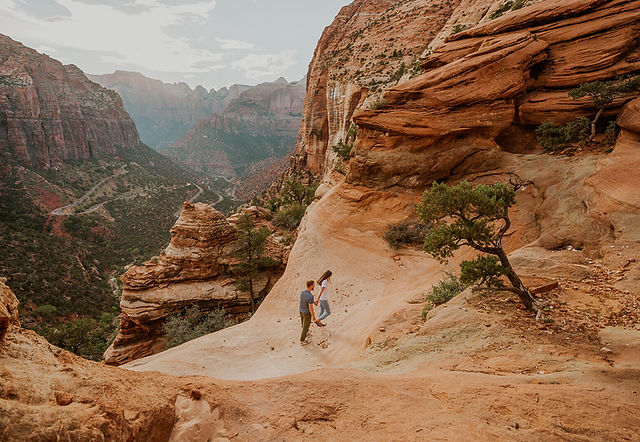
This 6.7-mile roundtrip hike boasts relatively moderate elevation gain (around 700 feet), making it accessible to a wider range of hikers. The East Mesa Trail to Observation Point Hike offers a different perspective of Zion Canyon, one that’s earned, not given. You'll traverse a forested plateau before reaching the canyon rim, where you'll be rewarded with stunning views that rival those from Observation Point's traditional access. Be sure to check trail conditions before you go, especially after rainfall, as the dirt road leading to the trailhead can become challenging.
Hiking Zion's Geological Formations
Zion's beauty isn't just skin deep; it's a story etched in stone, millions of years in the making. The towering canyon walls are primarily composed of Navajo sandstone, a testament to a vast desert that once covered this region. Over eons, the relentless force of the Virgin River carved through these layers, creating the dramatic landscape we see today. As you hike, take a moment to appreciate the sheer scale of this geological masterpiece.
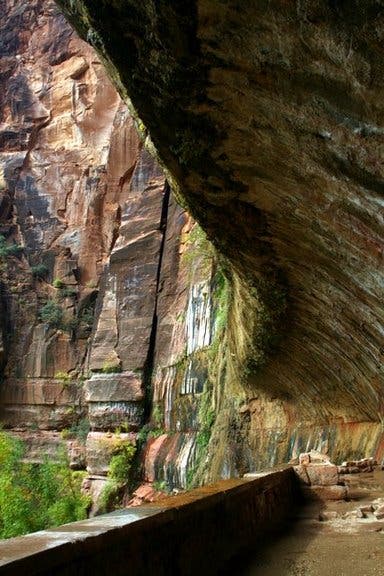
Specific formations like the Great White Throne, a massive sandstone monolith, and Weeping Rock, where water seeps through the porous sandstone to create hanging gardens, offer glimpses into this geological history.
These hanging gardens are a particularly fascinating example of how water interacts with the sandstone, creating microclimates that support unique plant life. The constant seeping of water dissolves minerals in the rock, sometimes creating colorful streaks of desert varnish on the canyon walls.
Zion's Ecosystems
Beyond the rock formations, Zion boasts a surprisingly diverse ecosystem. Keep an eye out for wildlife, from mule deer grazing in the meadows to soaring peregrine falcons overhead. The riparian zone along the Virgin River is a particularly rich habitat, supporting a variety of plants and animals.
One of Zion's most unique residents is the Zion snail, a rare species found only in a few springs within the park. These tiny creatures are incredibly sensitive to changes in water quality and habitat, making them an important indicator of the park's overall ecological health. While it's unlikely you'll stumble across one on a casual hike, knowing they exist adds another layer of appreciation to this special place.
Zion National Park Alternative Trails
Looking for more options to escape the crowds and discover Zion's hidden corners? Here are a few alternative trails worth exploring:
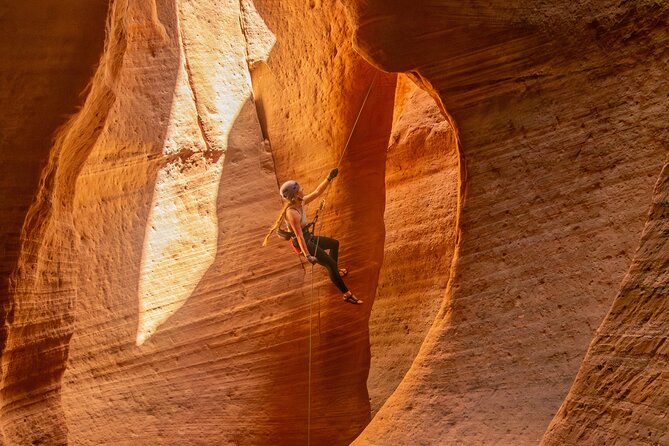
- Hidden Canyon Trail: This trail, currently closed due to rockfall, normally ascends a narrow slot canyon via a series of switchbacks and chains. Check the National Park Service website for updated trail conditions before planning your hike. When open, it offers a thrilling and unique perspective of Zion's slot canyon geology.
- Many Pools Trail: Don't let the name fool you; Many Pools isn't about swimming. Instead, it's a relatively short and easy hike (around 1 mile) that leads to a series of seasonal pools and small waterfalls carved into the sandstone. The landscape is characterized by undulating rock formations, sparse vegetation, and the constant sound of trickling water. It’s a great place to observe how water shapes the landscape on a smaller scale. This location provides excellent Zion National Park Photography Locations.
Refueling After the Hike: Skip the Porter, Savor the Brew
After a day of exploring Zion's trails, you'll undoubtedly be ready for some refreshment. While Polygamy Porter at Zion Canyon Brew Pub is a popular choice, I suggest heading over to the Switchback Grille. It features a seasonal microbrew selection that perfectly complements the outdoor experience. During the fall, I recommend trying their "Oktoberfest Marzen," a rich and malty lager that's perfect for sipping while watching the sunset over the canyon. Look for a Switchback Grille Zion Microbrew Review online before you go to see updated offerings.
Zion's Geologic History
To truly appreciate Zion, one must understand its geological history. The formation of canyons is a story of uplift and erosion. The Colorado Plateau, of which Zion is a part, has been slowly rising for millions of years. As the plateau rose, the Virgin River, fed by melting snow and rainfall, began to carve its way through the layers of sandstone. Over time, the river cut deeper and deeper, creating the narrow, steep-walled canyons that define Zion today.
The rock types found in Zion tell a story of changing environments. The Navajo sandstone, with its characteristic cross-bedding, is evidence of a vast ancient desert with massive sand dunes. Other rock layers, like the Kayenta Formation and the Moenave Formation, represent different periods of geological history, with varying climates and environments. A self-guided Zion National Park geology tour is a great way to see the rocks in detail.
Conclusion: A Deeper Appreciation for Zion
Zion National Park is more than just a pretty picture; it's a living, breathing testament to the power of nature and the passage of time. By venturing beyond the crowded trails and taking the time to understand its geological and ecological history, you can experience Zion on a deeper, more meaningful level. So, next time you plan a trip to Zion, consider exploring the East Mesa Trail, discovering the Many Pools, and savoring a local brew at the Switchback Grille. You might just find that the true heart of Zion lies in its hidden secrets. Ready to start planning your less-crowded Zion adventure? Book your guided tour now!