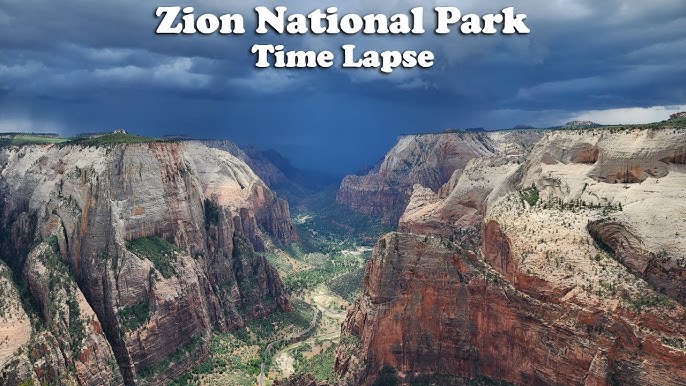
Zion National Park Geology: A Geologist's Guide...
Zion National Park. Just the name conjures images of towering sandstone cliffs, emerald pools, and the rushing Virgin River. As a geologist, particularly one who focused on the Colorado Plateau’s uplift during graduate school, this park holds a special place in my heart. The sheer beauty is undeniable. From the iconic Angels Landing to the majestic Great White Throne, Zion captivates the senses. But beyond the views, do you know the geologic history that makes this place even more special?
Hiking The Narrows: A Slot Canyon Carved by Time
One of the most unforgettable experiences Zion offers is hiking The Narrows. To truly appreciate it, securing a top-down, full permit is essential. Wading through the Virgin River, surrounded by walls of Navajo Sandstone that reach hundreds of feet high, is simply breathtaking. The cool water is a welcome respite from the Utah sun, though navigating the slippery riverbed presents its own challenges. Each step reveals more of the canyon's story. What is this story, carved into the very rocks around you?
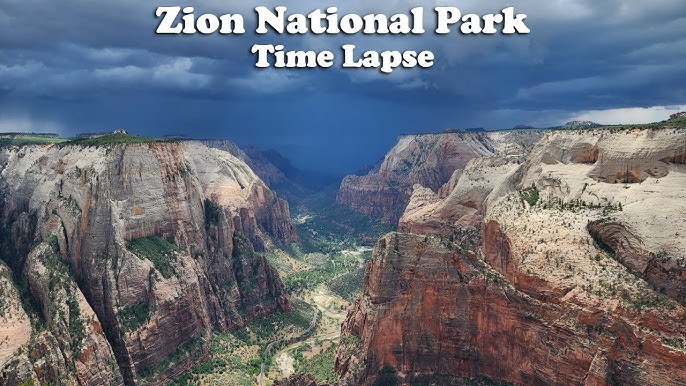
Look closely at the canyon walls, and you’ll notice the distinct cross-bedding patterns within the Navajo Sandstone. These aren't just random lines; they're fossilized records of ancient wind patterns that swept across a vast desert environment around 180 million years ago, during the Jurassic period. These winds shifted the sands, creating these angled layers we see today. The sheer scale of The Narrows underscores the immense power of the Virgin River, which has been patiently carving its way through these sandstone layers for millions of years. The water is responsible for the smooth curves of the walls and the deep plunge pools, a testament to the relentless force of erosion. The temperature of the water can be quite chilly, even in summer, adding another layer of challenge, and a refreshing coolness, to the adventure. What other geological adventures did Zion have in store?
Rock Climbing Zion's Sandstone Cliffs
The towering sandstone cliffs of Zion aren’t just beautiful to look at; they also offer incredible rock climbing opportunities. I decided to tackle a section of what many call "Moonlight Buttress", but with a far shorter, more accessible climb on the lower sections to the left. It requires a good rack of cams and a healthy dose of respect for the rock. How did this amazing rock climbing opportunity come about?
The sandstone that makes up these cliffs originated as massive sand dunes. Over time, these dunes were cemented together by minerals, forming the relatively soft, porous rock we see today. This porosity, while beautiful, presents unique challenges for climbers. Sandstone is more friable (prone to crumbling) than granite or other types of rock, so you have to be meticulous with your gear placements and climbing technique. Proper climbing etiquette on sandstone is crucial: avoid placing gear in soft or damaged areas and be mindful of your footwork to prevent unnecessary erosion. The constant cycle of weathering and erosion is always at work, slowly but surely reshaping the cliffs. Rain, wind, and freeze-thaw cycles all contribute to the breakdown of the sandstone, creating new features and altering existing routes. But what if I wasn't climbing at night - what can you learn looking up at the Zion sky?
Stargazing in Zion: Connecting Earth and Sky
Zion’s remote location and commitment to minimizing light pollution make it an ideal place for stargazing. I joined a ranger-led stargazing tour one evening, and the experience was truly awe-inspiring. The darkness allowed countless stars to become visible, painting a breathtaking canvas across the night sky. But what does the darkness allow us to do and see?
The geological factors contributing to Zion's dark skies are simple: its distance from major urban centers and conscious efforts to limit artificial light. This allows for unparalleled views of the night sky, untainted by light pollution. As we gazed at the constellations, the ranger pointed out patterns and told stories about their significance in different cultures. It struck me how the patterns we see in the stars mirror the patterns we see in the rocks: layers, lines, and seemingly random arrangements that, upon closer inspection, reveal a deeper order. The constellations themselves have a rich history. For example, Orion, easily recognizable by its three bright stars forming a belt, has been known for millennia and holds different meanings in various mythologies. Preserving dark skies is crucial, not only for stargazing but also for the health of nocturnal wildlife and the overall ecological balance. This is a key factor as to why Zion has invested in keeping light pollution to a minimum. Finish with: "What more could I do that showed Zion's beauty, even without looking up?"
Canyoneering in Orderville Canyon: A Dance with Erosion
For a truly immersive experience, I signed up for a guided canyoneering trip in Orderville Canyon, a tributary of the Virgin River within Zion National Park. This involved rappelling down waterfalls, swimming through narrow pools, and navigating tight slot canyons carved by centuries of flash floods and erosion. Orderville canyon is carved and shaped by what?
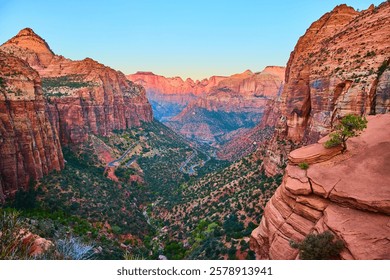
The geological processes that created Orderville Canyon are dramatic. Flash floods, driven by intense rainstorms, relentlessly scour the canyon floor, carrying away sediment and deepening the slot canyons over time. The canyon walls themselves are a tapestry of different rock layers, each representing a different period in geological history. We saw layers of shale and limestone interspersed with the dominant Navajo Sandstone, a visual reminder of the changing environments that once existed here. Canyoneering requires specialized gear, including a harness, ropes, rappelling device, and appropriate footwear. Safety is paramount, and it’s essential to go with experienced guides who know the canyon well and can assess the risks. The rewards, however, are immense. Descending into the heart of the canyon, surrounded by sculpted rock walls and the sound of rushing water, is an experience that connects you to the raw power of nature. All this activity made me hungry - what local food could I eat?
Local Flavors: Navajo Tacos at Oscar's Cafe
After a long day of hiking and canyoneering, I was ravenous. I headed to Oscar's Cafe in Springdale, just outside the park entrance, and ordered their famous Navajo taco. This is no ordinary taco; it's a culinary experience that reflects the region's history and culture. And what better place to immerse yourself into the culture than with tacos?
The Navajo taco consists of frybread (a flat dough bread that is fried or baked), topped with beans, ground beef, lettuce, tomatoes, cheese, and salsa. The frybread itself has a fascinating history, originating as a resourceful adaptation by the Navajo people during a time of hardship. Oscar's uses locally sourced ingredients whenever possible, supporting local farmers and businesses. The Spotted Dog Cafe is another great option, committed to using fresh, organic ingredients from nearby farms. Supporting local businesses is a crucial aspect of sustainable tourism. It helps to create a symbiotic relationship between the park and the surrounding community, ensuring that the economic benefits of tourism are shared and that local traditions and resources are valued. This not only keeps the economy stable but also ensures the preservation of natural resources for future generations. What else should I pack for my trip before I head to the campfire?
Campfire Cooking Under the Stars
As the sun dipped below the horizon, casting long shadows across the landscape, I decided to prepare a simple campfire meal. It's important to practice eco-friendly habits while camping, especially in a sensitive environment like Zion. What simple acts can keep Zion's beauty intact?
Instead of building a traditional campfire, I used a portable propane stove. This minimizes the impact on the surrounding vegetation and reduces the risk of wildfires. I made sure to pack out all my trash, including food scraps and packaging, and used biodegradable soap for washing dishes. The rocks around the campfire, likely pieces of the very sandstone I'd been exploring all day, served as a reminder of the deep geological history of the area. The Leave No Trace principles are essential for responsible outdoor recreation: plan ahead and prepare, travel and camp on durable surfaces, dispose of waste properly, leave what you find, minimize campfire impacts, respect wildlife, and be considerate of other visitors. There’s a unique satisfaction in preparing and enjoying a meal outdoors, surrounded by nature and under a canopy of stars. It's a chance to disconnect from the distractions of modern life and reconnect with the natural world. So what else can Zion visitors do to show their respect for this geologic history?
Sustainable Travel in Zion: Protecting the Wonder
Preserving the beauty and geological integrity of Zion National Park requires a commitment to sustainable travel practices. By making conscious choices, visitors can minimize their impact and help ensure that future generations can enjoy this incredible place. Why is sustainability important?
One of the best ways to reduce your impact is to utilize Zion's free shuttle system. This alleviates traffic congestion within the park, reduces air pollution, and makes it easier to access popular trails. Bring a reusable water bottle to refill and avoid single-use plastics. Zion is working hard to conserve water resources and protect its natural ecosystems, so every little bit helps. Tourism can have a significant impact on fragile ecosystems, from increased traffic and pollution to the overuse of resources and disruption of wildlife habitats. Responsible visitation, however, can help to mitigate these impacts and promote the long-term health of the park. What's the one geologic take-away that every visitor should know?
The Mighty Colorado Plateau Uplift: Zion's Foundation
The story of Zion National Park is inextricably linked to the geological history of the Colorado Plateau. Around 65 million years ago, this vast region began to uplift, rising thousands of feet above sea level. What forces caused such a dramatic uplift?
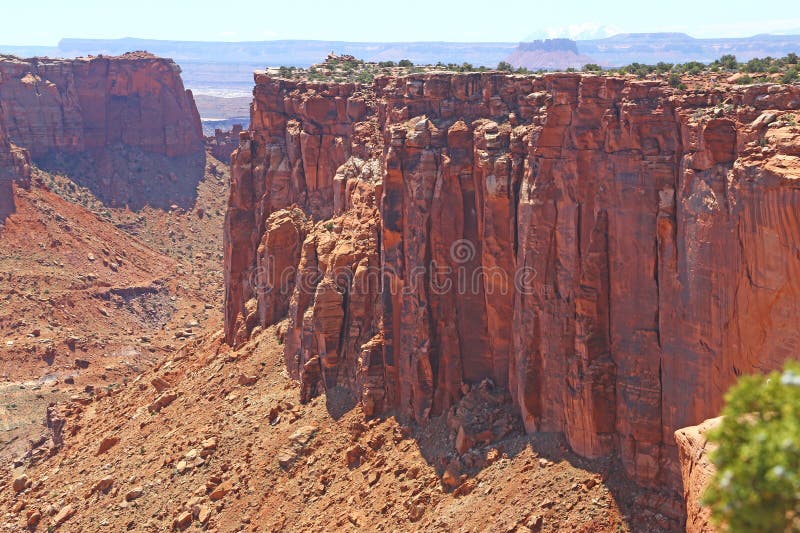
The exact mechanisms that caused the Colorado Plateau uplift are still debated by geologists, but it's generally believed to be a combination of tectonic forces and mantle plumes (upwellings of hot rock from deep within the Earth). This uplift dramatically altered the landscape, causing rivers to downcut and carve deep canyons into the surrounding rock. The Virgin River, in particular, played a crucial role in shaping Zion Canyon, patiently eroding through layers of sandstone over millions of years. The uplift also created mesas, buttes, and other iconic landforms that characterize the region. It's important to remember that geological processes are ongoing. The Earth is constantly changing, and Zion National Park is a living testament to the dynamic nature of our planet. Will you explore what makes Zion so special?