Zanzibar: Beyond the Beaches - A Cultural Immers...
Zanzibar, the spice island, conjures images of pristine beaches and turquoise waters. But beyond the postcard-perfect scenes lies a vibrant culture, rich history, and resilient people. My recent trip focused on delving deeper into the heart of Zanzibar, experiencing its traditions, flavors, and the stories woven into its very fabric. From learning about seaweed farming with the women of Paje to celebrating the Zanzibari New Year in Makunduchi, and even haggling for souvenirs in Stone Town, I discovered a side of Zanzibar that many tourists miss. This is my story of authentic Zanzibar experiences.
Seaweed Farming in Paje: Empowering Women, Sustaining the Island
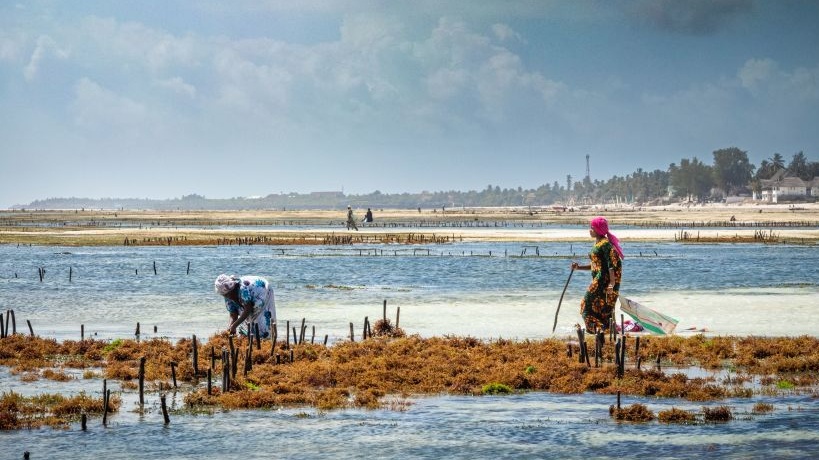
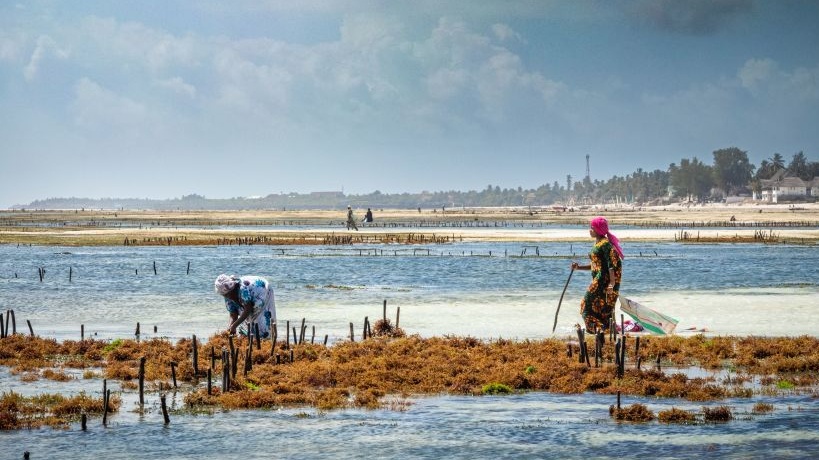
My journey into the heart of Zanzibar's culture began in Paje, a coastal village known for its seaweed farms. Far from being just a picturesque scene, these farms are vital to the local economy and, more importantly, the empowerment of women. I spent a morning with a group of women who dedicate their days to cultivating seaweed, and it was an incredibly enlightening experience. Zanzibar sustainable tourism is something I was keen to discover, and this was a great example.
The Process: From Planting to Harvest
I learned about the different types of seaweed they cultivate, primarily Eucheuma spinosum and Kappaphycus alvarezii. Eucheuma spinosum is often used in cosmetics, while Kappaphycus alvarezii is preferred for food products. The process is remarkably simple yet demanding. The women plant small seedlings tied to ropes in the shallow waters at low tide. They then patiently tend to the crops for several weeks, removing any unwanted algae and ensuring they thrive.
When the seaweed is ready for harvest, usually after about six weeks, they carefully collect it and lay it out to dry in the sun. The dried seaweed is then sold, providing a crucial source of income for these women and their families.
The Economic Importance and Empowerment
Seaweed farming is more than just a job; it's a lifeline for the women of Paje. It allows them to be financially independent, providing them with the means to support their families, educate their children, and invest in their communities. This sustainable Zanzibar tourism practice offers a valuable alternative to traditional fishing, which can be unreliable and environmentally damaging. It’s truly inspiring to see how this simple yet ingenious practice empowers women and contributes to the local economy. The women have been able to build more robust houses, support each other, and achieve greater control over their lives.
Mwaka Kogwa: Celebrating the Zanzibari New Year in Makunduchi

Next, I ventured to Makunduchi, a village on the southern tip of Zanzibar, to witness the vibrant Mwaka Kogwa celebration, the Zanzibari New Year. This four-day festival is a unique blend of tradition and ritual, offering a fascinating glimpse into the island's cultural heritage. I witnessed the Zanzibar cultural travel firsthand.
Banana Stalk Fights and Cleansing Rituals
The most striking aspect of Mwaka Kogwa is the mock fights between men using banana stalks. These aren't aggressive brawls, but rather playful and symbolic clashes. The banana stalks, although seemingly harmless, represent conflict and challenges. By engaging in these mock fights, the community symbolically confronts and overcomes the difficulties of the past year.
Adding to the festive atmosphere, women sing traditional songs, their voices resonating with energy and joy. The songs are often accompanied by drumming and dancing, creating a vibrant and infectious atmosphere.
The culmination of the festival is the ritual burning of a straw hut. This symbolic act represents the cleansing of the village of bad spirits and negative energies. As the hut burns, the community looks forward to a fresh start, filled with hope and prosperity.
The Symbolism and Significance
Every aspect of Mwaka Kogwa is steeped in symbolism, reflecting the community's values and beliefs. The mock fights, the songs, and the burning of the hut all serve to unite the community, cleanse the past, and welcome the future with optimism. This celebration is a testament to the enduring power of tradition and its ability to bring people together. It's definitely one of the most enriching authentic Zanzibar experiences.
A Culinary Journey with Chef Ali: Unveiling the Flavors of Zanzibar
No trip to Zanzibar is complete without indulging in its unique cuisine. I had the incredible opportunity to interview Chef Ali, a renowned Zanzibari chef, to learn about the evolution and influences behind the island's culinary traditions. This was done in podcast form to share with others. Here's an excerpt from our conversation:
Me: Chef Ali, thank you for taking the time to speak with me. Could you tell me about the evolution of Zanzibari cuisine?
Chef Ali: Ah, Zanzibari cuisine is a melting pot of flavors, a testament to the island's rich history. We have influences from Arab traders, Indian immigrants, and the indigenous African population. Each culture has contributed its own unique ingredients and cooking techniques, creating a truly distinctive culinary experience.
Me: Could you give me some examples of these influences?
Chef Ali: Certainly. Dishes like biryani and pilau are clear examples of Indian influence, while the use of spices like cloves, cinnamon, and cardamom reflects the Arab presence. And of course, we have our own unique African dishes, like urojo soup, a flavorful and hearty broth that's a staple in Zanzibari cuisine.
Me: Speaking of spices, Zanzibar is famous for them. How do they contribute to the unique flavors of your food?
Chef Ali: Spices are the heart and soul of Zanzibari cuisine. Cloves, cinnamon, cardamom, nutmeg, and ginger are just a few of the spices that we use to create complex and aromatic dishes. They add depth, warmth, and a touch of magic to everything we cook. It is this that truly makes the Zanzibar spice farm tour so popular!
Me: What is Zanzibari Pizza?
Chef Ali: Zanzibari pizza is a popular street food found in places like Forodhani Gardens Zanzibar food tour. It's made from a thin layer of dough and topped with minced meat, vegetables, eggs, cheese, and mayonnaise. It's a unique and delicious snack that's definitely worth trying when in Zanzibar, and should only set you back a couple of dollars.
Chef Ali's insights shed light on the fascinating history and cultural influences that have shaped Zanzibari cuisine. From the aromatic spices to the diverse range of dishes, the island's food scene is a true reflection of its rich heritage.
Haggling at Darajani Market: A Cultural Exchange in Stone Town
My cultural immersion wouldn't be complete without a visit to the bustling Darajani Market in Stone Town. This vibrant marketplace is a sensory overload, filled with the sights, sounds, and smells of Zanzibar. I was on the hunt for a hand-carved wooden giraffe souvenir.
I spotted one that caught my eye – a beautifully crafted giraffe with intricate details. The vendor, a friendly man named Juma, initially quoted me 30,000 Tanzanian Shillings (approximately $13 USD). I knew that haggling was expected, so I started the negotiation.
"Habari yako, Juma?" I greeted him in Swahili, "How are you?"
"Mzuri sana," he replied, "I am very well. And you?"
"Mzuri," I responded. "That is a beautiful giraffe, but 30,000 Shillings is a bit too much for me. I was thinking more like 15,000."
Juma chuckled, "Hapana, hapana! That is too low! This is a very special giraffe, made with great care."
We went back and forth, using a combination of gestures, broken Swahili, and a lot of laughter. I countered with 20,000, he came down to 28,000. Eventually, after a bit more playful banter, we settled on 25,000 Shillings.
As I walked away with my giraffe, I reflected on the experience. Haggling at Darajani Market is more than just about getting a good price; it's a cultural exchange, a dance of negotiation and respect. I learned that starting low, being polite, and maintaining a sense of humor are key to success. It was rapidly, quickly bargaining, negotiating, and eventually settling on a price.
Viral Video Focus: (This scene was also captured on film for our social media)
- HOOK (0-3 seconds): Close-up shot of hands rapidly exchanging Tanzanian Shillings and the hand-carved wooden giraffe souvenir. Extreme depth of field focuses only on the money changing hands.
- SCENE (3-7 seconds): Shot like a scene from an action movie, but it's a negotiation. Bright, colorful market ambiance, slightly overexposed to emphasize the energy. Rapid zoom in/out between my face (showing determination) and Juma's face (showing playful resistance). GoPro POV switching between the tourist and Juma to immerse the viewer.
- TWIST (7-10 seconds): After the haggling concludes and I walk away, Juma winks at the camera, revealing a sign behind him that reads: "All sales final. Prices doubled for tourists." Humorous reveal; I thought I was getting a deal, but I was playfully scammed.
(End of Viral Video Scene)
The final price I agreed upon was fair, but Juma had the last laugh. And I’ll never forget this experience, highlighting the value and excitement of ethical tourism.
Conclusion: Zanzibar - A Journey for the Soul
My trip to Zanzibar was more than just a vacation; it was a journey of discovery, a cultural immersion that touched my soul. From the seaweed farms of Paje to the Mwaka Kogwa celebrations in Makunduchi, and the bustling markets of Stone Town, I experienced the true heart of Zanzibar. If you are looking for the best time to visit Zanzibar for cultural experiences, I'd recommend aligning your trip with one of the local festivals.
Ready to experience the magic of Zanzibar for yourself? Contact Vistalocation.com today to plan your Zanzibar cultural travel adventure!