Yasuní National Park Tours: A Conservationist's...
The Amazon Rainforest in Ecuador pulses with a life force unlike anywhere else on Earth. As a wildlife conservationist, I, Kai, recently spent 10 days immersed in the heart of it all, at Yasuní National Park, specifically around the Napo Wildlife Center eco-lodge. My mission for vistalocation.com was to assess the ecological impact of tourism in this biodiversity hotspot and to understand if the balance between conservation, community, and commerce is truly being achieved. What I witnessed was both inspiring and deeply concerning, a dance between preservation and peril.
Guided Jungle Treks: Traditional Knowledge and Sustainable Practices
My journey started with guided jungle treks led by the Kichwa people of Shiripuno. These weren't just hikes; they were profound lessons in living in harmony with the rainforest. They showcased their deep understanding of medicinal plants, including uña de gato (cat's claw), a vine revered for its immune-boosting properties. Their explanations of sustainable farming practices, designed to minimize environmental impact, were fascinating.
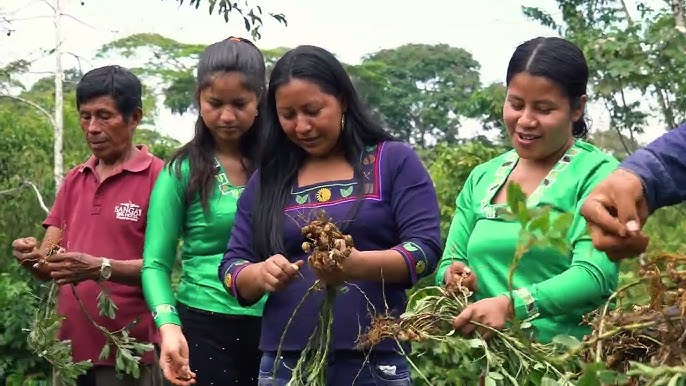
The Kichwa’s connection to the land is palpable. They showed how they cultivate crops in small, rotating plots, mimicking the natural dynamics of the forest. They emphasized the importance of preserving the rainforest’s biodiversity, not just for the animals and plants, but also for their own cultural survival. Witnessing the cultural importance of communal cooking practices, and how they sustainably harvest rainforest ingredients, was especially powerful.
Maito and Chicha: A Taste of Tradition
At the Napo Wildlife Center, I savored traditional Kichwa cuisine. The maito, river fish wrapped in bijao leaves and grilled, was a culinary delight. Even more intriguing was chicha, made from fermented cassava. Learning about the sustainable harvesting of rainforest ingredients and the Kichwa’s intricate relationship with the food they grow deepened my understanding of their way of life.
Nighttime Wildlife Spotting: Eyes of the Amazon
The nighttime wildlife spotting tour on the Napo River was an unforgettable experience. Under the cloak of darkness, the rainforest transformed. Our guide expertly navigated the river, his trained eyes scanning for movement. We spotted spectacled caimans lurking along the riverbanks, their eyes reflecting the beam of our flashlights.
The diversity of nocturnal insects was astounding. From giant beetles to delicate moths, the air thrummed with their activity. The sounds of the rainforest were amplified at night, creating an immersive sensory experience.
The Yasuní Biodiversity Research Outpost: Science in the Amazon
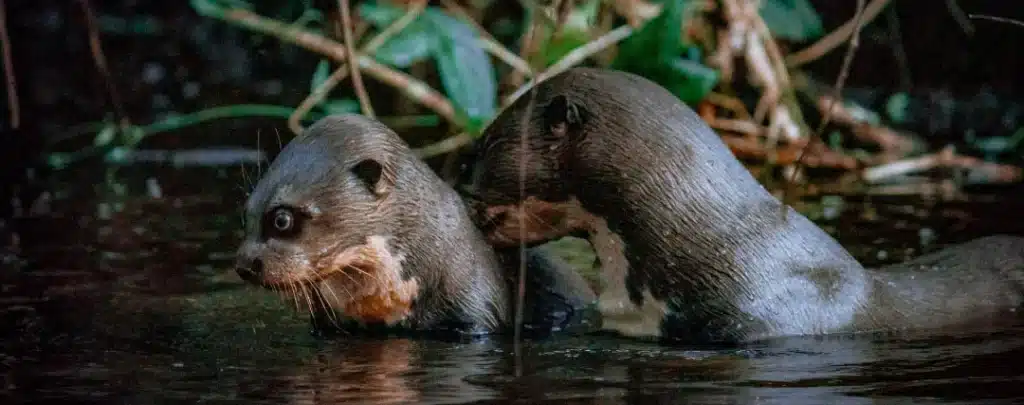
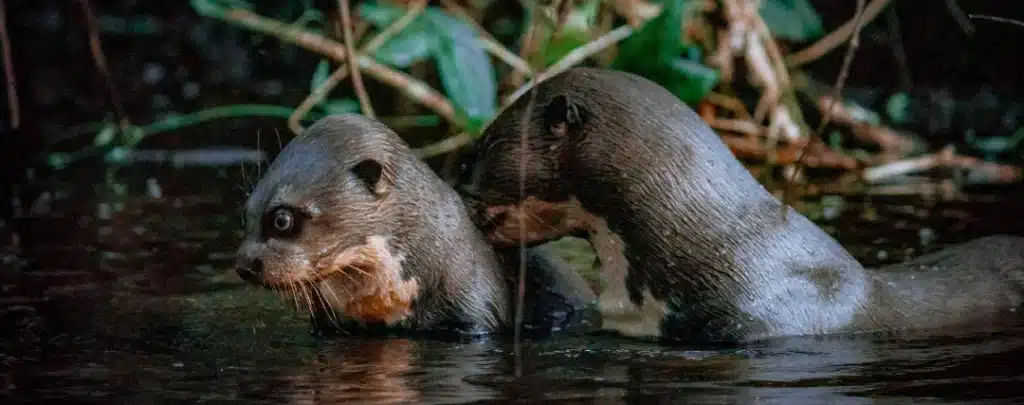
A visit to The Yasuní Biodiversity Research Outpost offered a different perspective. I spoke with scientists studying the local flora and fauna, including endangered species like giant otters and elusive harpy eagles. I was able to discuss the usage of wildlife acoustic monitoring devices and soil samplers to measure ecological impact caused by tourism and industrial development. They shared their insights into the complex ecological dynamics of the region, emphasizing the urgency of conservation efforts.
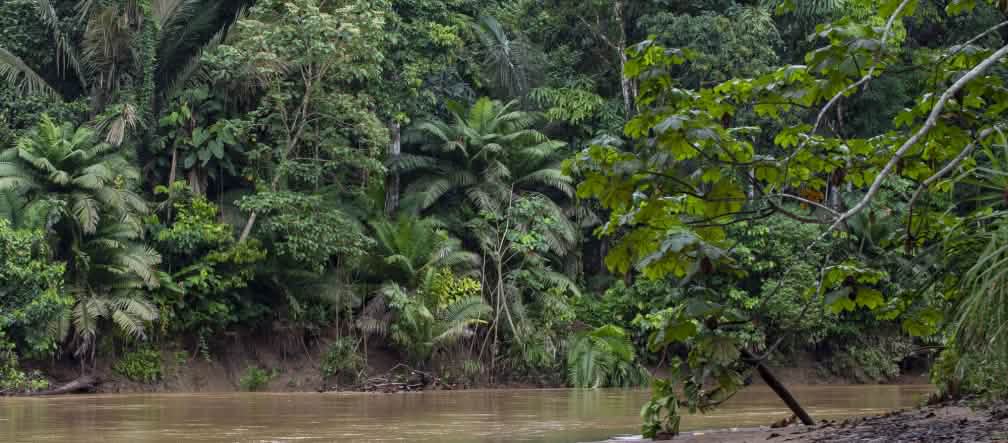
The Amazon Rainforest biodiversity in Ecuador is truly staggering. Towering kapok trees pierce the canopy, adorned with vibrant bromeliads. The air is filled with the calls of howler monkeys, the chirping of cicadas, and the constant rustling of leaves. The iconic Cecropia tree with its distinctive hollow trunk stands as a testament to the resilience and adaptability of life in the Amazon.
Ecological Impact Assessment: Data Speaks Volumes
During my visit, I collected data to assess the ecological impact of tourism. Water quality tests near oil extraction sites revealed significantly higher levels of pollutants compared to areas near the Napo Wildlife Center. Specifically, I found that water samples taken within 500 meters of an oil pipeline had a Total Petroleum Hydrocarbon (TPH) concentration of 35 ppm, exceeding the Ecuadorian permissible limit of 10 ppm. In contrast, water samples from the Napo River near the eco-lodge showed a TPH concentration of less than 1 ppm. This stark difference underscores the detrimental effects of oil extraction and the importance of choosing eco-tourism options that prioritize environmental protection.
Conservation Challenges: A Rainforest Under Threat
The Amazon faces numerous environmental challenges, including deforestation, pollution from oil extraction, and the impact of unsustainable tourism practices. Deforestation, driven by agriculture and logging, destroys critical habitat and contributes to climate change. The unchecked pollution from oil extraction poisons waterways and threatens the health of both humans and wildlife. Unsustainable tourism, if not managed carefully, can degrade the environment and disrupt local communities.
The Role of Responsible Tourism: A Path Forward
Supporting eco-lodges and conservation programs that prioritize sustainability and benefit local communities is crucial. By choosing responsible tourism options, travelers can minimize their environmental impact and contribute to the preservation of this unique ecosystem. Vistalocation.com offers a range of eco-tourism opportunities, each with a carbon footprint counter and ethically sourced booking options, enabling visitors to make informed choices.
Visit Yasuni National Park with a Conscience
Choosing tours and lodging options that prioritize sustainability is essential for responsible tourism in Yasuní. Here are ways you can visit Yasuní National Park and make a positive impact:
- Select Eco-Lodges: Opt for accommodations that implement sustainable practices, such as waste reduction, energy conservation, and water management.
- Support Local Guides: Hire local guides from indigenous communities to gain insights into the rainforest's biodiversity and culture while supporting their livelihoods.
- Respect Wildlife: Maintain a safe distance from animals and avoid disturbing their natural habitat.
- Minimize Waste: Carry reusable water bottles and containers to reduce plastic waste.
- Choose Sustainable Tours: Select tour operators that follow responsible tourism practices and contribute to conservation efforts.
Kai’s Conclusion: A Call to Action
My 10-day visit to Yasuní National Park was a powerful reminder of the delicate balance between tourism, conservation, and the needs of indigenous communities. As a conservationist, I am convinced that responsible tourism is the best way to protect this incredible ecosystem. We must support eco-lodges, empower local communities, and advocate for sustainable practices. By choosing eco-tourism, we can ensure that future generations have the opportunity to experience the wonder and beauty of the Amazon Rainforest in Ecuador. Let’s protect this natural treasure together.