
Yasawa: Sustainable Travel in Fiji's Island Para...
The vakalutuivoce chant resonated deep within my chest, a primal rhythm accompanying the fierce movements of the Meke Wesi spear dance. Sweat glistened on the warrior's brow as he lunged, his eyes burning with intensity. It was a powerful display of Fijian culture, a glimpse into the soul of the Yasawa Islands, yet even amidst this vibrant tradition, a shadow loomed. The pristine beaches, turquoise waters, and captivating culture of the Yasawa Islands are facing unprecedented environmental challenges. Join us as we explore the beauty and the battles in this island paradise, and how we can engage in sustainable Yasawa Islands travel.
Diving into the Depths of Sawa-i-Lau
The allure of the Sawa-i-Lau caves is undeniable, a natural wonder carved into the limestone heart of the Yasawas. Venturing into the outer chamber with my scuba gear, I was prepared to be mesmerized. However, the reality was somewhat sobering. The visibility was limited, a milky haze obscuring the details of the rock formations. The vibrant coral reefs I had anticipated were noticeably absent, and the marine life, though present, lacked the diversity I had seen in other Fijian waters. The experience served as a stark reminder that even these seemingly untouched havens are vulnerable.

The Legacy of the Drua: A Testament to Fijian Ingenuity
Before modern ferries and speedboats, the drua canoe reigned supreme in the Fijian archipelago. Witnessing the construction of one of these magnificent vessels is a lesson in traditional engineering. Two hulls, meticulously carved from local timber, are joined with incredible precision using magimagi, a strong rope made from coconut husk fibers. This lashing technique, passed down through generations, creates a bond that can withstand the roughest seas. The drua is more than just a boat; it's a symbol of Fijian resourcefulness, resilience, and connection to the ocean. Experiencing this traditional construction is crucial to Yasawa Islands cultural immersion.
A Taste of Fiji: The Flavors of Lovo
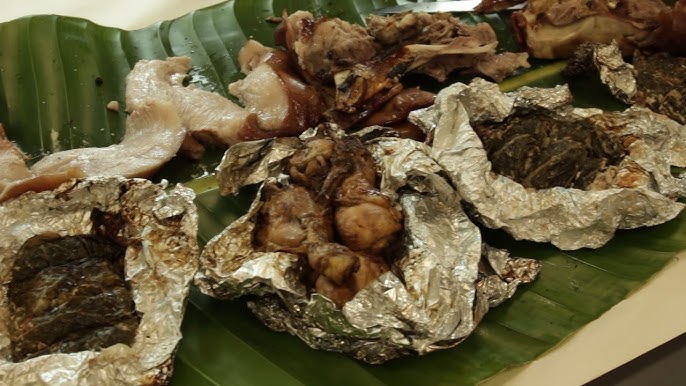
No trip to Fiji is complete without experiencing a Lovo feast. This traditional method of cooking involves roasting food in an underground oven, lined with heated stones and covered with banana leaves. The result is a smoky, earthy flavor that permeates everything from the succulent roasted pork to the tender taro and sweet kumala (sweet potato). Sharing a Lovo with a local family is an opportunity to connect with Fijian culture on a deeper level, savoring not just the food, but also the warmth and hospitality of the people.
A Landscape Sculpted by Time: Karst and Coral
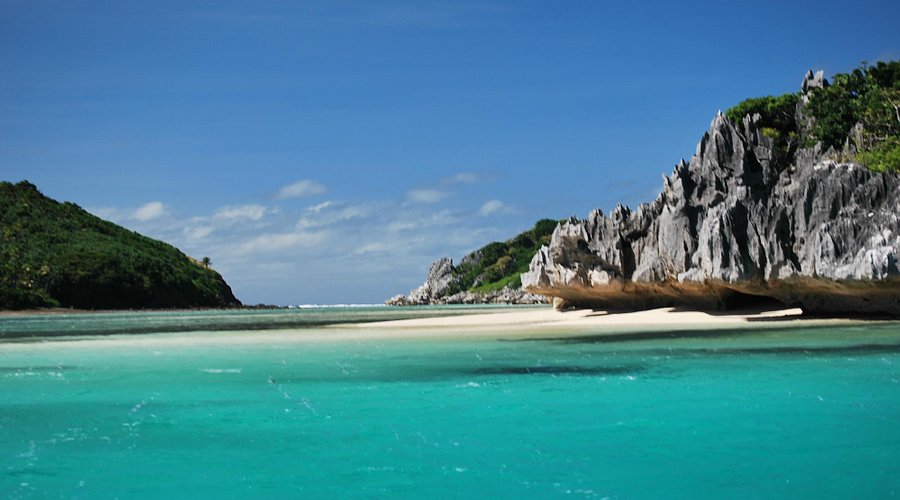
The Yasawa Islands are a geological marvel, characterized by dramatic limestone karst formations. These towering cliffs and caves, sculpted by centuries of erosion, create a breathtaking backdrop to the turquoise waters. Beneath the surface lies another world of wonder: coral reefs, once teeming with life, are now showing signs of distress. The presence of Acropora coral, a vital component of the reef ecosystem, highlights both the beauty and fragility of this underwater landscape.
Shadows on Paradise: The Environmental Challenges
The postcard-perfect images of the Yasawa Islands often conceal a disturbing reality: microplastic pollution. Discarded fishing gear and plastic bottles litter the beaches and waterways, posing a serious threat to marine life. Fish, turtles, and seabirds ingest these tiny particles, leading to illness and death. The impact on the entire ecosystem is devastating, undermining the very beauty that attracts visitors to the islands.
Ocean acidification, driven by increasing levels of CO2 in the atmosphere (partly fueled by tourism), is another major concern. As the ocean absorbs CO2, its pH decreases, making it more difficult for corals to build and maintain their skeletons. This leads to coral bleaching, a phenomenon that turns vibrant reefs into ghostly graveyards. The delicate balance of the marine ecosystem is being disrupted, threatening the livelihoods of communities that depend on it.
What Can I do to help coral reefs in Fiji?
There are several effective ways to help coral reefs in Fiji:
- Reduce your carbon footprint: Support initiatives that promote renewable energy.
- Choose sustainable seafood: Avoid consuming species that are overfished or caught using destructive methods.
- Support conservation organizations: Donate to groups that are actively working to protect coral reefs.
Guardians of the Reef: Manta Trust Fiji
Fortunately, there are organizations dedicated to protecting the marine environment of the Yasawa Islands. The Manta Trust Fiji [mantatrust.org/fiji] is a prime example. This organization conducts vital research on manta ray populations, studying their behavior, migration patterns, and threats they face. Through education and advocacy, they are working to raise awareness about the importance of manta ray conservation and promote sustainable tourism practices. By supporting their work, we can help ensure that these gentle giants continue to grace the waters of the Yasawas for generations to come. You can donate to Manta Ray conservation Yasawa Islands through their website.
Powering Paradise: The Promise of Renewable Energy
One of the most effective ways to reduce the environmental impact of tourism in the Yasawa Islands is to support resorts that are committed to renewable energy. Look for accommodations that have invested in solar panel installations, reducing their reliance on fossil fuels. By choosing these eco-conscious options, you can help drive the transition to a more sustainable future for the islands. Are there renewable energy initiatives in the Yasawa Islands? Yes, and you can contribute to them by choosing your resort wisely.
Tread Lightly: Offsetting Your Carbon Footprint
Flying to Fiji, like any long-distance travel, has a significant carbon footprint. To mitigate your impact, consider offsetting your carbon emissions by investing in projects that reduce greenhouse gas emissions, such as reforestation or renewable energy initiatives. Several reputable organizations offer carbon offsetting programs, allowing you to travel with a clear conscience. It is important to minimize my carbon footprint when visiting the Yasawa Islands, and offsetting is an effective approach.
Yasawa: Ghosts of the Future (Viral Video Concept)
This island paradise is at a crossroads. We can choose to ignore the environmental challenges and contribute to its decline, or we can embrace sustainable practices and become guardians of its beauty. The choice is ours.
Best Eco-Resorts in the Yasawa Islands
Many resorts recognize the need for sustainability and are making efforts to minimize their environmental impact. Below is a short, non-exhaustive list of eco-friendly resorts in the Yasawa Islands.
- Paradise Cove Resort: Committed to sustainable practices.
- Yasawa Island Resort and Spa: Embraces eco-friendly operations.
- Turtle Island Resort: Focuses on conservation and community support.
How can I travel sustainably in the Yasawa Islands?
Here's how to travel sustainably:
- Choose eco-friendly accommodations with renewable energy initiatives.
- Respect local customs and traditions.
- Reduce plastic consumption by bringing your own reusable items.
- Support local businesses and communities by purchasing locally made products and services.
- Offset your carbon emissions from flights.
Conclusion: A Call to Action
The Yasawa Islands are a treasure worth protecting. By embracing ethical tourism and making conscious choices, we can help ensure that this paradise remains vibrant and healthy for generations to come. Please consider donating to Manta Trust Fiji [mantatrust.org/fiji] to support their vital research and conservation efforts. Research and choose eco-friendly resorts, and always be mindful of your environmental impact. Together, we can make a difference. Let’s not let "Yasawa: Ghosts of the Future" become a reality.