Winged Wonders and Wind-Dried Mutton: A Faroese...
The crisp North Atlantic air hit my face the moment I stepped off the plane at Vágar Airport, and I knew I was in for something special. My two-week research trip to the Faroe Islands, a North Atlantic archipelago famed for its Faroe Islands Birdwatching, had finally begun. Even the drive to Tórshavn, the capital, was breathtaking. Towering cliffs plunged into the turbulent sea, revealing dramatic basalt columns sculpted by centuries of wind and waves. Scattered across the landscape were charming turf-roofed houses, blending seamlessly with the emerald hillsides. This was a place where nature reigned supreme.
Upon arrival in Tórshavn, I checked into 'Guesthouse Undir Fjalli,' a cozy haven nestled beneath a steep hillside. The interior was a testament to traditional Faroese décor, with warm wooden paneling, hand-knitted textiles, and a comforting scent of peat smoke lingering in the air. The owners, a welcoming couple named Rannvá and Hákun, greeted me with genuine warmth, offering freshly baked bread and a strong cup of coffee – a much-needed welcome after my long journey. "Vælkomin til Føroyar," they said, "Welcome to the Faroes." Little did I know the winged wonders and wind-dried mutton that awaited me.
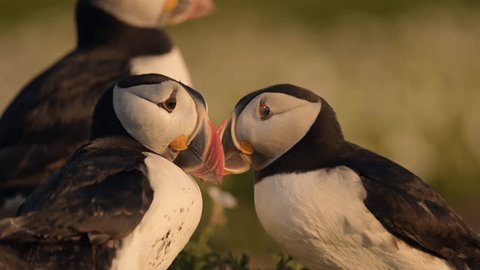
My mission: to delve deeper into the puffin behavior Faroe Islands, specifically their nesting habits and feeding patterns. The Faroe Islands offer unique opportunities for ornithological research, and I was eager to begin. And of course, I couldn't resist the allure of the local cuisine.
Mykines: A Puffin Paradise
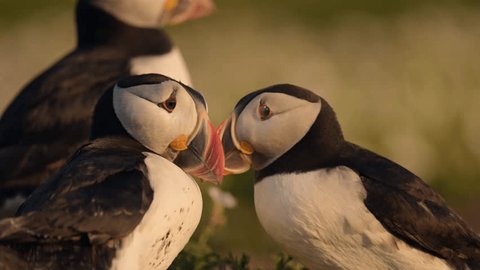
Mykines, the westernmost island of the Faroes, is rightfully known as a puffin paradise. The ferry journey itself was an adventure, battling choppy waves and bracing winds. But the anticipation of witnessing the puffin colonies in their full glory kept my spirits high. As we approached the island, the sight of thousands of these charismatic birds swarming the cliffs was simply mesmerizing. This is definitely the location that fulfills the where can I see puffins in the Faroe Islands? question.
The puffins of Mykines nest in burrows along the grassy clifftops. I spent hours observing their activity, noting their meticulous nest-building techniques and the constant back-and-forth as they brought food to their chicks. What is the best time to see puffins in Faroe Islands? Definitely during the nesting season (May-August), when the adults are actively feeding their young. I observed that the average number of fish in a puffin's beak was around 6-8, primarily sand eels, though I did spot a few carrying slightly larger prey like juvenile herring.
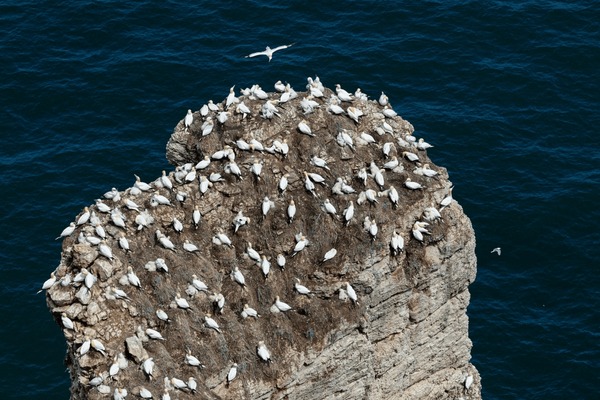
One unusual observation was a puffin attempting to nest in a crevice within a rocky outcrop, rather than digging a traditional burrow. This could indicate a shortage of suitable nesting sites, possibly due to erosion or increased competition for resources. I documented this behavior and plan to include it in my upcoming publication on Dr Elara Hansen Faroe Islands research. Furthermore, their interactions with other seabirds, particularly the majestic gannets that also call Mykines home, were fascinating to observe. While generally peaceful, there were occasional territorial disputes, with puffins aggressively defending their burrows against encroaching gannets.
Navigating the Vestmanna Bird Cliffs
The boat tour to the Vestmanna bird cliffs was an entirely different experience. Unlike the relatively gentle slopes of Mykines, the Vestmanna cliffs are sheer, towering walls of rock, carved by the relentless power of the sea. Navigating the narrow passages and caves that honeycomb the cliffs was exhilarating, albeit a little nerve-wracking.
The sounds and smells of the seabird colonies were overwhelming – a cacophony of calls and the pungent aroma of guano. Fulmars, guillemots, and kittiwakes clung precariously to the cliff faces, their nests seemingly defying gravity. It's fascinating to observe the cliff-nesting adaptations of these species, such as the fulmar's ability to eject stomach oil as a defense mechanism, and the guillemot's pear-shaped eggs that are less likely to roll off the narrow ledges. This boat tour provides prime Faroe Islands Birdwatching.
The sheer scale of the cliffs and the density of the birdlife were truly awe-inspiring, solidifying my appreciation for Faroese Ornithology Travel. The experience highlighted the resilience of these birds and their remarkable ability to thrive in such a harsh environment.
A Taste of the Faroes: Skerpikjøt and Ræstur Fiskur
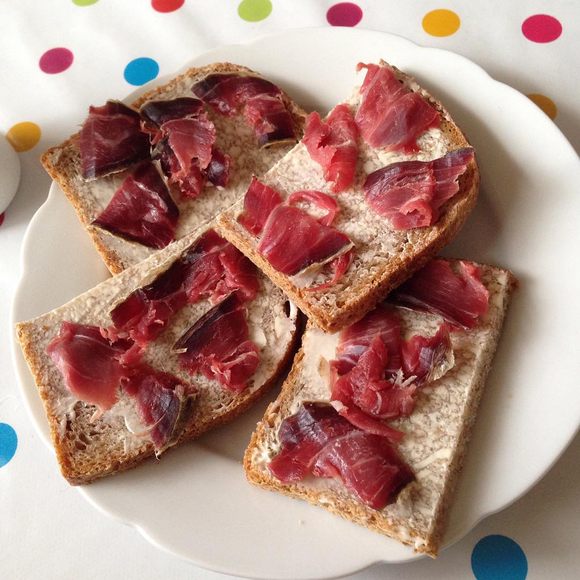
No trip to the Faroe Islands would be complete without sampling the local cuisine, and I was eager to try some of the more traditional dishes. My culinary adventure began with skerpikjøt (wind-dried mutton) and ræstur fiskur (fermented fish).
Skerpikjøt is an experience. The flavor is incredibly intense, a concentrated burst of umami with a slightly gamey undertone. The texture is firm and chewy, requiring some serious mastication. I sampled several varieties, each with its own unique character depending on the age of the mutton and the drying conditions. I discovered what makes Faroese sheep farming traditions unique.
Ræstur fiskur, on the other hand, presented a different challenge. The aroma alone is enough to clear a room! The fermentation process gives the fish a pungent, almost ammoniacal smell. The taste is equally powerful, a combination of salty, sour, and fishy flavors that lingers long after you've swallowed. While I wouldn't say I'm a convert, I appreciate the historical significance of these foods in Faroese culture. They were essential for survival in a harsh environment, providing a source of protein during the long winter months. While I don't prefer them, I understand why is wind-dried mutton a Faroese delicacy?
The Grinda Whaling Festival in Sandur
My trip coincided with a local village festival in Sandur, which, unexpectedly, also involved a Grinda (whale drive). The festival atmosphere was vibrant, with traditional Faroese music, dancing, and food stalls offering local delicacies. The community was visibly involved, contributing to the festive spirit.
The whale drive itself was a complex and controversial event to witness. It involved local fishermen herding a pod of pilot whales into a designated bay, where they were then beached and killed. The entire community participates, and the meat and blubber are distributed amongst them. It's important to note that the practice is deeply ingrained in Faroese culture and has been a source of sustenance for centuries.
However, it's impossible to ignore the ethical complexities surrounding whaling. International animal rights groups strongly condemn the practice, citing concerns about animal welfare and the sustainability of whale populations. Local communities, on the other hand, defend the hunt as a vital part of their cultural heritage and a sustainable food source. It's a delicate balance, and I found myself grappling with conflicting emotions, making it critical to practice Sustainable Tourism Faroe Islands. While I personally do not support whaling, I recognize the importance of understanding the cultural context and the differing perspectives involved. It's crucial for visitors to approach the issue with respect and a willingness to learn.
Reflections on a Faroese Journey
The Faroe Islands are a truly unique destination, offering a captivating blend of stunning natural beauty and rich cultural heritage. As an ornithologist, I was particularly drawn to the islands' incredible birdlife, with opportunities for observation and research that are unparalleled anywhere else in the world.
However, the Faroe Islands also face significant environmental challenges, including the impact of climate change and the need to balance traditional practices with the preservation of their natural resources. The delicate ecosystem requires careful management and a commitment to sustainable tourism Faroe Islands.
My experience in the Faroe Islands was both inspiring and thought-provoking. I was deeply impressed by the resilience of the Faroese people and their strong connection to their land and sea. I wholeheartedly recommend the Faroe Islands as a destination for travelers seeking nature, culture, and unique experiences.
However, it's essential to approach the Faroese culture with respect and understanding, acknowledging the complexities of their traditions and the importance of preserving their environment. Learn about sustainable tourism initiatives for ornithologists. If you're interested in planning your own Faroese ornithology travel, consider booking with local guides who are knowledgeable about the islands' birdlife and committed to responsible tourism practices. Book a Faroe Islands wildlife tour and support the local economy.
To learn more about responsible travel and conservation efforts in the Faroe Islands, I encourage you to visit the official tourism website and support organizations like Birdlife International.