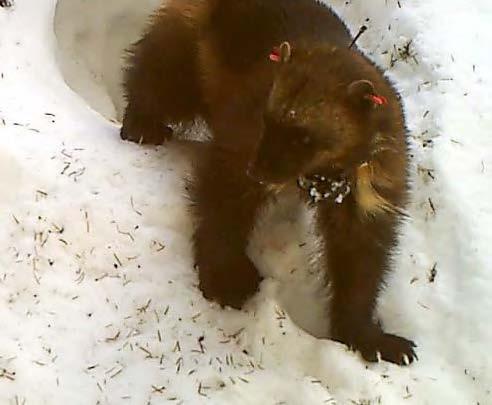
Whispers of the Wolverine: A Backcountry Odysse...
The biting wind whipped across the frozen Bow River Valley, carrying with it the promise of adventure and the daunting challenge of tracking one of Canada's most elusive creatures: the wolverine. My name is Anya Petrova, and as a wildlife photographer specializing in elusive mammal behavior, I recently embarked on a ten-day backcountry expedition into the heart of Banff National Park, armed with my camera, my knowledge, and an unyielding determination to capture a glimpse into the secret lives of these magnificent animals. This wasn't just a photo trip; it was a deep dive into a world where survival is an art form, and the landscape itself is a character in an epic tale.
The Silent Symphony of Snow and Ice
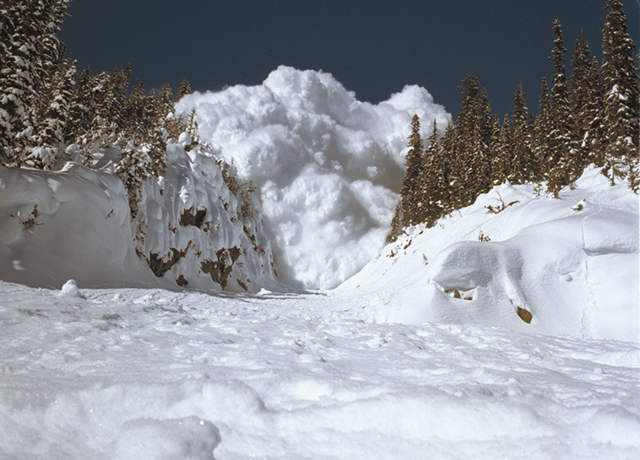
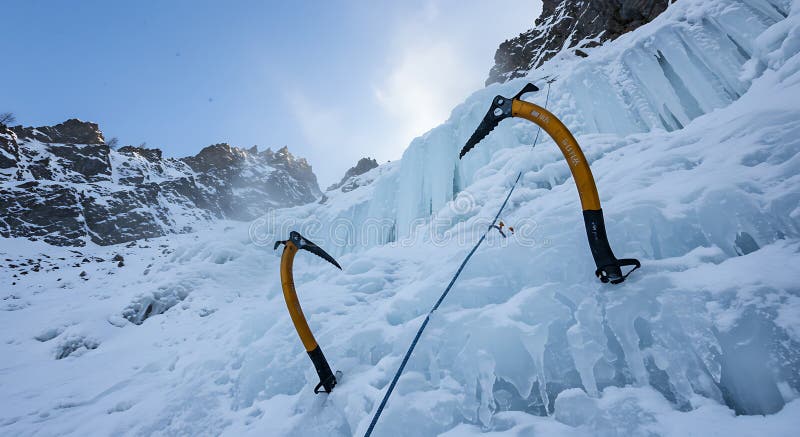
The landscape of Banff in winter is a study in contrasts: stark white snow against the jagged, imposing peaks. Mount Rundle, a sentinel of stone, stood guard over the valley, its slopes draped in a thick blanket of snow. The air was crisp and clean, carrying the faint scent of pine and the distinct chill of glacial ice. Johnston Canyon, usually a rushing torrent, was now a cathedral of frozen waterfalls, shimmering turquoise and white in the weak winter sun. One afternoon, near Canmore, I took the opportunity to ascend a smaller frozen waterfall, my ice axes biting into the blue ice with a satisfying crunch, crampons providing secure footing. The view from the top, a panorama of snow-covered peaks, was a reward well worth the effort.
The Wolverine Quest: A Game of Patience and Persistence
My primary objective was to photograph a wolverine caching food in a snow den, a behaviour crucial for their survival in the harsh winter months. Wolverines are notoriously difficult to track, known for their solitary nature and incredible ability to traverse vast distances across treacherous terrain. To increase my chances, I employed a combination of techniques: tracking, camera traps, and countless hours spent observing potential habitats.
The camera traps, strategically placed near known wolverine territories along the Spray River, became my silent sentinels. These weatherproof devices, equipped with motion sensors, were programmed to capture images whenever an animal crossed their path. While they provided valuable data on animal activity, they also demanded constant maintenance, requiring battery changes and protection from the elements. Extreme cold affected battery life, often requiring swapping every 3-4 days.
For direct observation, I relied heavily on my Canon EF 600mm f/4L IS III USM telephoto lens. This lens, a marvel of optical engineering, allowed me to capture detailed images of wildlife from a safe distance, minimizing disturbance to the animals. I often paired it with a 1.4x extender, pushing the reach even further. The challenge was the weight and bulkiness, especially when trekking through deep snow. Shutter speeds of at least 1/500th of a second were essential to combat camera shake, even with the image stabilization, while apertures were often wide open (f/4) to maximize light gathering in the dim winter conditions. ISO settings frequently climbed into the thousands, demanding careful noise management in post-processing.
Blending into the environment was paramount. My winter camouflage clothing, meticulously chosen to match the snow-covered terrain, helped me become virtually invisible to wary eyes. Hours spent motionless in the frigid air tested my resolve, the cold seeping into my bones despite layers of insulated clothing.
Backcountry Sustenance: Fueling the Adventure
Life in the backcountry demanded meticulous planning and resourcefulness. Freeze-dried meals from Mountain House became my staple food, offering a quick and relatively lightweight source of calories. Rehydrating them with boiling water, melted from snow, was a daily ritual. Melting snow, however, was a slow and fuel-intensive process. I carried two fuel canisters and meticulously rationed their use.
I also attempted to supplement my diet by foraging for edible plants, specifically fireweed shoots. Strict adherence to Parks Canada regulations was essential, ensuring I only harvested where permitted and in a sustainable manner. Even then, the meager yield barely made a dent in my caloric needs, but the fresh, earthy taste was a welcome change from the processed food. Minimizing waste was another crucial aspect of backcountry ethics. All trash was packed out, and biodegradable soap was used sparingly.
Celestial Spectacle: Stargazing at Lake Minnewanka
One evening, I ventured to Lake Minnewanka, hoping to witness the legendary dark skies that Banff is renowned for. The lake, frozen solid, provided a stable platform for my tripod. As darkness descended, the sky exploded with stars, a breathtaking display of celestial brilliance. The Milky Way stretched across the heavens like a river of light, its countless stars twinkling with mesmerizing intensity. Banff's protected status ensures minimal light pollution, creating an unparalleled stargazing experience. I spent hours capturing long-exposure images, the shutter open for minutes at a time, recording the faint light of distant galaxies.
The Elusive Encounter: A Glimpse of Greatness
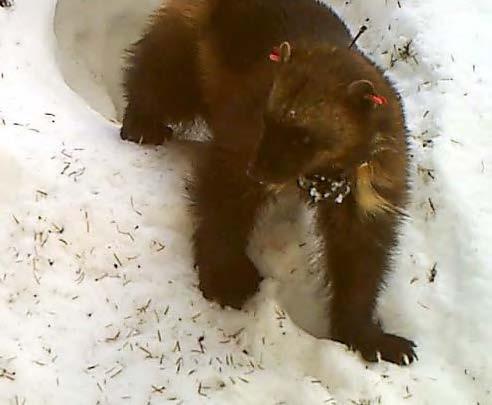
Despite my best efforts, the elusive shot of the wolverine caching food remained elusive. I reviewed countless images from the camera traps, filled with the usual suspects – deer, elk, squirrels, and even the occasional coyote. But the wolverine remained a ghost, a fleeting presence hinted at by tracks in the snow and the occasional distant scent.
Then, on the ninth day, as I was breaking camp, a movement caught my eye. A dark shape, low to the ground, emerged from the treeline. It was a wolverine, a magnificent specimen with thick fur and a powerful build. It moved with a purposeful gait, its eyes scanning the surroundings. I quickly raised my camera, adjusted the settings – shutter speed 1/1000, aperture f/5.6, ISO 3200 – and fired off a series of shots.
The wolverine didn't linger. It paused for a moment, fixing me with a piercing gaze, then disappeared back into the forest, leaving me breathless and humbled. I hadn’t captured the specific behaviour I’d set out to document, but I had captured something far more valuable: a connection, a fleeting glimpse into the wild heart of this remarkable creature.
A Call to Conservation
Wildlife photography in environments as challenging as Banff National Park demands dedication, patience, and a deep respect for the natural world. It's a constant reminder of the delicate balance of the ecosystem and the importance of conservation efforts. Wolverines, like many other species, face increasing threats from habitat loss and climate change. If you're inspired by the beauty of Banff and the resilience of its wildlife, I urge you to support organizations dedicated to their protection. Every contribution, no matter how small, makes a difference. Visit the Parks Canada website for more information on how you can help preserve this incredible place for generations to come. (https://www.pc.gc.ca/en/nature/conservation) The whispers of the wolverine deserve to be heard, and it's our responsibility to ensure their voices continue to echo through the mountains for years to come.