Whispers of the Thunder Dragon: An Enchanting Jo...
Bhutan. The name alone conjures images of majestic mountains, ancient monasteries, and a culture steeped in profound spirituality. I had dreamt of visiting this Himalayan kingdom, often called the "Land of the Thunder Dragon," for years, and recently, that dream became a vibrant reality. My journey centered around the breathtaking Paro Valley, a place that not only met but exceeded all my expectations. From the moment the Druk Air plane began its descent into Paro International Airport, I knew I was in for something extraordinary.
As we navigated between the towering Himalayan peaks, my breath caught in my throat. The scale of the mountains was simply awe-inspiring. And then, there it was – Paro International Airport, a structure that perfectly embodies Bhutanese architectural style. Its traditional sloping roofs, intricate woodwork, and whitewashed walls were a welcoming sight, a promise of the beauty that awaited me.
(Image Alt Text: Paro International Airport showcasing traditional Bhutanese architecture with mountains in the background. The shot was taken on a Sony Alpha 7IV with a 24-70mm f/2.8 GM lens. The photo highlights the airport's design and its integration into the mountainous landscape.)
A Festival of Colors and Faith: Paro Tsechu
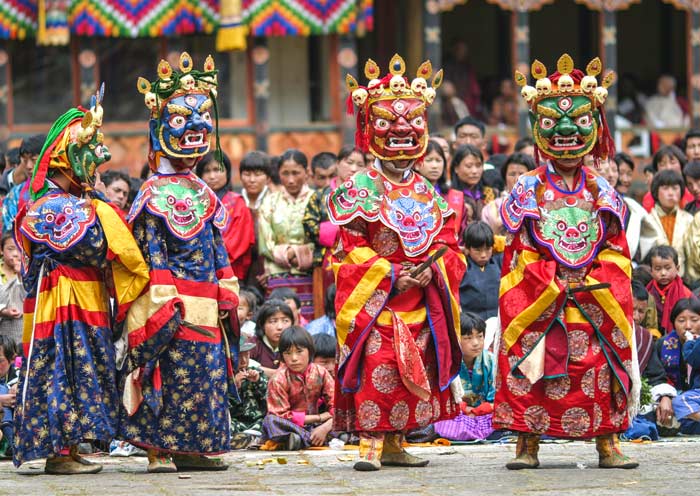
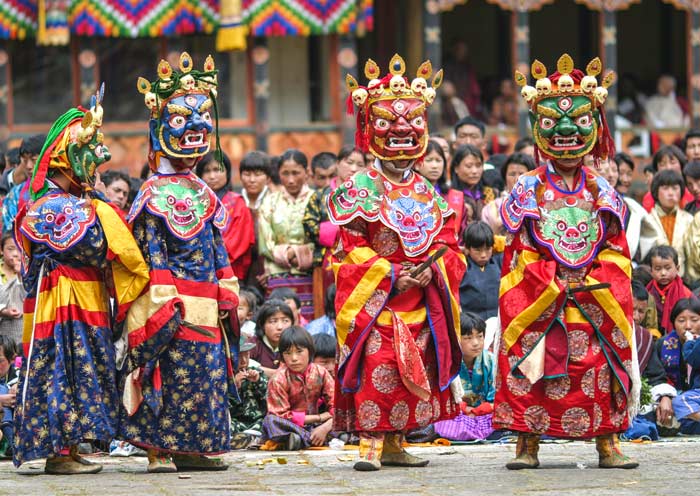
My trip was perfectly timed to coincide with the Paro Tsechu, a major religious festival held annually in the spring. This was not just a spectacle; it was a profound immersion into the heart of Bhutanese Buddhist culture. The Paro Dzong, a magnificent fortress-monastery, became the epicenter of vibrant celebrations.
The air thrummed with energy. Monks in elaborate silk brocade costumes, their faces hidden behind ornate masks, performed sacred dances (Cham dances). The rhythmic chanting, the clashing of cymbals, and the deep resonating sound of the dungchen (long horns) created an atmosphere that was both mesmerizing and deeply spiritual. Incense filled the air, mingling with the scent of pine from the surrounding forests. Prayer flags, strung across the courtyard, fluttered in the wind, carrying prayers and blessings to the heavens.
The local Bhutanese people, dressed in their finest traditional attire – the gho for men and the kira for women – added to the kaleidoscope of colors. Their reverence and devotion were palpable. The Tsechu is more than just a festival; it's a reaffirmation of their faith and a celebration of life. These dances depict different aspects of Buddhist teachings. The Guru Tshengye Dance, for example, portrays Guru Rinpoche in his eight manifestations, showcasing his power to overcome obstacles. Witnessing it all, I felt a connection to something larger than myself, a shared sense of humanity and spirituality. Captured with my Sony Alpha 7IV on burst mode with a fast shutter speed, I was able to freeze the fast movements of the dancers in time.
The Ascent to Tiger's Nest
No trip to Paro is complete without a hike to the Taktsang Monastery, more famously known as the Tiger's Nest. Perched precariously on a cliffside, 900 meters above the valley floor, it's a sight that will stay with you forever.
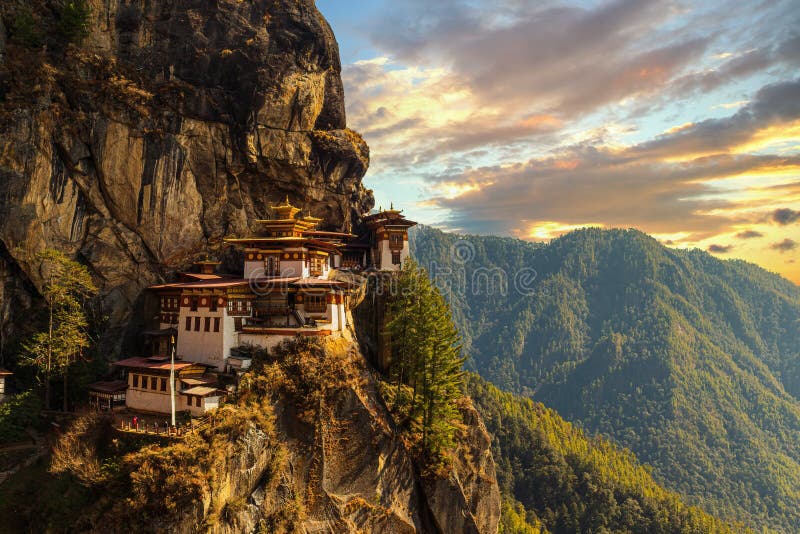
(Image Alt Text: The Taktsang Monastery (Tiger's Nest) clinging to a cliffside in Paro Valley, Bhutan. Shot on a Sony Alpha 7IV with a 24-70mm lens. The monastery is captured from a distance, emphasizing its location high above the valley floor.)
The hike is challenging, but immensely rewarding. The trail winds through lush pine forests, the air crisp and clean. As I ascended, glimpses of the monastery would appear through the trees, fueling my determination. The higher I climbed, the more breathtaking the views became. The Paro Valley stretched out below, a tapestry of green rice paddies and traditional farmhouses.
The legend surrounding Tiger's Nest is captivating. It's said that Guru Rinpoche, the "Second Buddha," flew to this spot on the back of a tigress and meditated in a cave for three years, three months, three weeks, three days, and three hours. He is credited with introducing Buddhism to Bhutan. The monastery was built in 1692 around this sacred cave. Standing there, gazing at this architectural marvel defying gravity, I felt a sense of awe and wonder. It was a moment of profound spiritual connection.
Flavors of Bhutan
Bhutanese cuisine is an adventure in itself! Chilies are not just a spice; they're a staple, considered a vegetable.
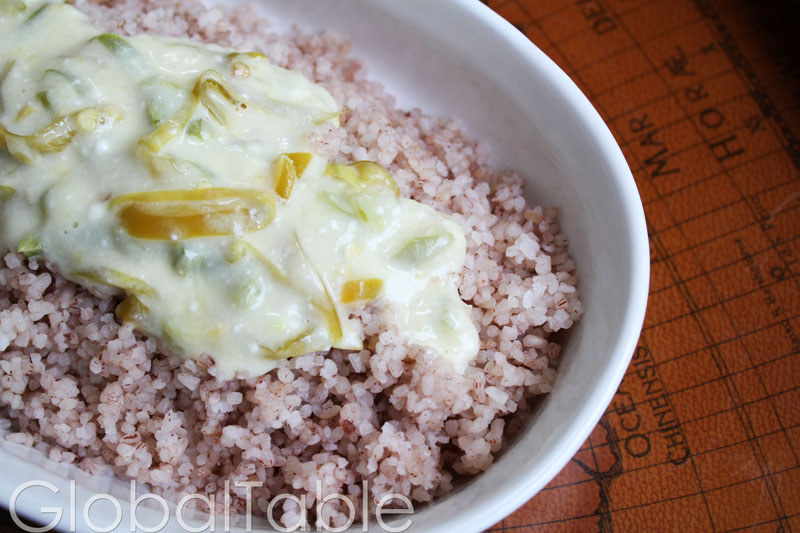
Ema Datshi: The national dish, Ema Datshi, is a fiery concoction of chilies and cheese. The spiciness is intense, but the creamy, cheesy texture provides a welcome balance. It's traditionally served with red rice, a nutty and wholesome grain that perfectly complements the dish.
Phaksha Paa: Another must-try is Phaksha Paa, a stew made with pork and radishes, also featuring plenty of chilies. The pork is tender and flavorful, with a subtle hint of spice.
Suja (Butter Tea): No culinary exploration of Bhutan is complete without trying Suja, the traditional butter tea. It's a salty, savory drink made with tea leaves, yak butter, water, and salt. The taste is unique and takes some getting used to, but it's an integral part of Bhutanese culture, often offered as a sign of hospitality.
Momos: Of course, I couldn't resist trying the Momos! These delicious dumplings, filled with meat or vegetables, are a popular snack throughout Bhutan.
Landscape and Visual Details
The Paro Valley is a visual feast. The snow-capped Himalayas dominate the horizon, providing a stunning backdrop to the valley's serene beauty. Terraced rice paddies cascade down the hillsides, creating a mesmerizing pattern of green.
The traditional Bhutanese architecture is equally captivating. Dzongs (fortresses) and temples, with their intricate wood carvings, colorful murals, and imposing structures, dot the landscape. I spent hours wandering through these architectural wonders, admiring the craftsmanship and soaking in the history. Shot during blue hour on my Sony Alpha 7IV, the colors appeared deep and vibrant, perfectly showcasing the detail within these historic structures.
The lighting in the Paro Valley is magical. At sunrise, the mountains are bathed in a soft golden light, creating a sense of tranquility. At sunset, the sky explodes in a riot of colors, painting a breathtaking scene.
Cultural Immersion
One of the highlights of my trip was the opportunity to interact with the local Bhutanese people. Their warmth, kindness, and genuine smiles were infectious. I visited a local farm, where I learned about traditional farming practices and the importance of agriculture in Bhutanese society. I also had the privilege of spending time with monks at a monastery, learning about Buddhist philosophy and meditation.
Perhaps the most memorable experience was indulging in a traditional hot stone bath. Soaking in the mineral-rich water, surrounded by the sounds of nature, was incredibly relaxing and rejuvenating.
The concept of Gross National Happiness (GNH) is deeply ingrained in the Bhutanese way of life. It's a philosophy that prioritizes well-being, culture, good governance, and environmental conservation over purely economic growth. This emphasis on happiness and contentment is evident in the faces of the Bhutanese people. I tried to capture some of the essence of the Bhutanese spirit using my Sony Alpha 7IV, shooting 4:5 portraits in the street.
(Image Alt Text: A local Bhutanese woman in traditional attire, smiling warmly. The portrait, taken on a Sony Alpha 7IV with a 24-70mm lens using a 4:5 aspect ratio, captures the warmth and friendliness of the Bhutanese people.)
A Land Unlike Any Other
My journey through the Paro Valley was an experience that transcended mere travel. It was a profound immersion into a culture that values spirituality, community, and the environment. It was a reminder of the importance of slowing down, appreciating the simple things in life, and finding happiness within.
If you're looking for a destination that will challenge your perspectives, nourish your soul, and leave you with memories that will last a lifetime, I wholeheartedly recommend visiting Bhutan. The Paro Valley, with its stunning landscapes, ancient monasteries, vibrant festivals, and warm hospitality, is a place where you can truly experience the magic of the "Land of the Thunder Dragon." So, pack your bags, open your mind, and prepare to be enchanted. You can learn more about travel planning at https://www.tourism.gov.bt/