Whispers of the Skeleton Coast: A Marine Biologi...
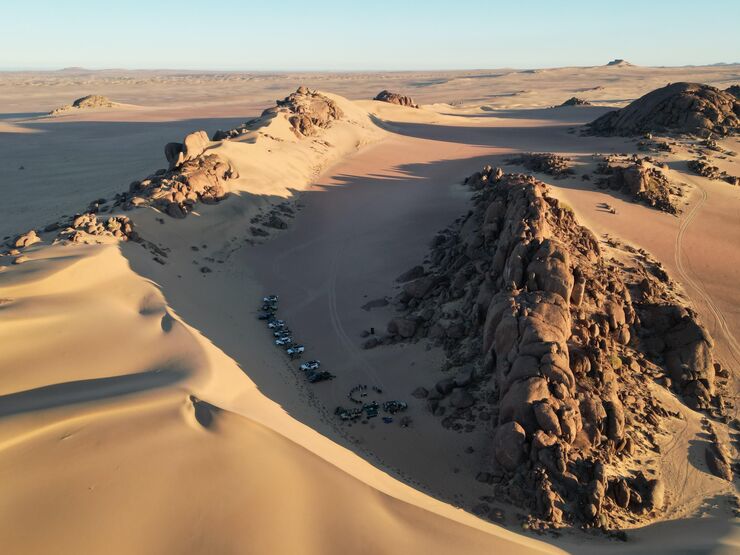
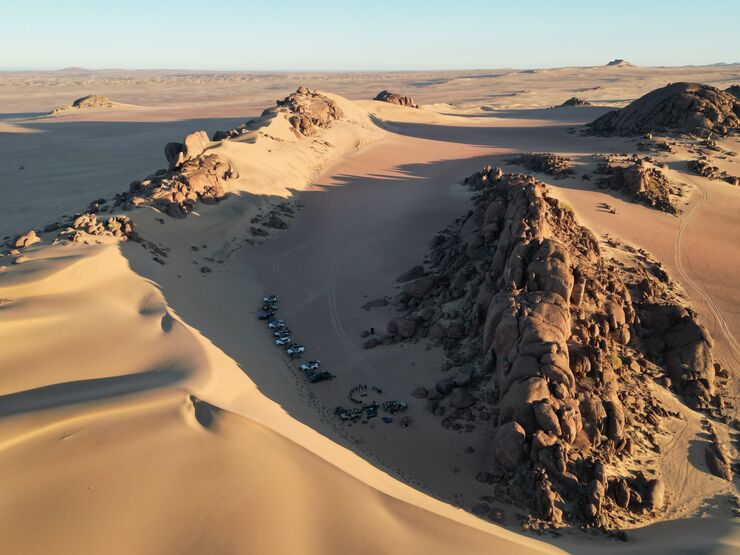
The first breath of the Skeleton Coast is a shock. Not the warmth of Africa I’d expected, but a frigid embrace of fog, born from the clash of the cold Benguela Current and the relentless Namib Desert. The air hangs heavy, thick with the smell of salt and something else…decay. It’s a primeval scent, a reminder of the constant cycle of life and death played out on this unforgiving shore. The fine, cold sand shifts beneath my feet, and the distant roar of crashing waves hints at the shipwrecks that litter this coastline, earning it its ominous name. This is not a gentle welcome, but an awakening, a visceral introduction to one of the world's most unique and challenging environments. I came as Dr. Anya Sharma, a marine biologist specializing in seal behavior, eager to witness the famed Cape Fur seal colonies, but I left with a renewed understanding of the fragility and resilience of life in the face of overwhelming odds and a profound respect for Namibia sustainable tourism.
Cape Cross Seal Reserve: A Cacophony of Life
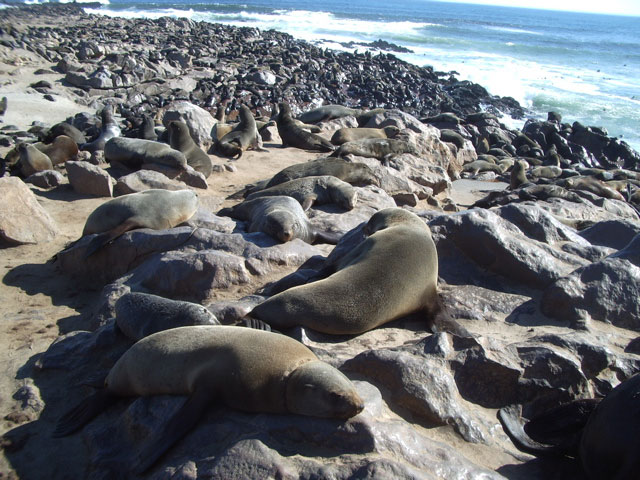
Nothing can truly prepare you for the sheer scale of the Cape Cross Seal Reserve. The air vibrates with a deafening chorus: barks, groans, and the high-pitched cries of pups create a soundscape unlike anything I’ve ever experienced. As a marine biologist, I've studied seal behavior for years, but observing this massive colony firsthand was awe-inspiring and a little overwhelming.
Hundreds of thousands of Cape Fur seals jostle for space on the rocky shore. The dominant bulls, massive and scarred, patrol their territories, while mothers nuzzle their pups, ensuring they receive the vital milk needed to survive. The social dynamics are fascinating. I observed complex hierarchies, playful interactions between pups, and the constant struggle for resources. It's a brutal yet beautiful ecosystem, a testament to the seals' adaptability.
However, even in this seemingly thriving environment, there are whispers of concern. The seals are heavily reliant on the fish populations supported by the Benguela Current. Climate change and overfishing threaten this vital food source, leading to increased pup mortality and changes in seal behavior. This is why ethical wildlife tourism Namibia is so critical. Monitoring these populations and understanding the impact of environmental change is crucial for the long-term survival of these incredible animals.
The Haunting Specter of the Eduard Bohlen Shipwreck
Leaving the cacophony of the seal colony behind, our guided tour took us deep into the desert, towards a truly surreal sight: the Eduard Bohlen Shipwreck. Grounded far inland, a victim of the shifting sands of the Namib, the rusting hulk stands as a stark reminder of the Skeleton Coast's power.
The ship ran aground in 1909, swallowed by the desert as the coastline receded. Now, it sits like a ghost ship in a sea of sand, a metal mirage shimmering under the harsh sun. There's a palpable sense of history and mystery surrounding the wreck. What stories could it tell? What secrets lie buried beneath the sand? The Eduard Bohlen Shipwreck Skeleton Coast guided tour offered a glimpse into the past, a chilling reminder of the dangers faced by seafarers in this treacherous region. How to get to the Eduard Bohlen Shipwreck involves careful navigation and expert guides as the terrain is unforgiving.
Desert-Adapted Wonders: A Glimpse of Resilience
The Skeleton Coast is not just about shipwrecks and seals; it's also a testament to the incredible resilience of life in the face of adversity. Desert adapted wildlife Namibia has evolved to thrive in one of the planet's harshest environments. Our guided tour focused on the unique adaptations of the local flora and fauna.
We were fortunate enough to spot desert-adapted elephants, their larger feet allowing them to traverse the sandy landscape with ease. We also learned about the elusive brown hyenas, scavenging predators that play a vital role in the ecosystem. It's easy to forget the fragility of this environment. Every creature, every plant, is intricately connected, and even small changes can have devastating consequences. Desert adapted wildlife tour prices Skeleton Coast reflect the challenges and expense of conservation efforts in this remote area.
Sustainable Indulgence: Oysters and Potjiekos
A visit to Walvis Bay provided a welcome change of pace and a chance to sample some of Namibia's culinary delights. Dining on sustainable seafood in Walvis Bay is a must, especially the fresh oysters, plump and bursting with the taste of the Atlantic.
I also had the opportunity to try Potjiekos, a traditional Namibian stew cooked in a three-legged cast-iron pot. The version I sampled was made with locally sourced game meat, slow-cooked to perfection with vegetables and spices. It was a hearty and flavorful meal, a true taste of Namibia. Sustainable seafood restaurants Walvis Bay Namibia are increasingly popular, reflecting a growing awareness of the importance of responsible consumption. Supporting local, sustainable food sources is crucial for the long-term health of the ecosystem and the communities that depend on it.
Geological Marvels and Ancient Survivors
The stark beauty of the Skeleton Coast extends beyond its wildlife. The landscape itself is a geological masterpiece, shaped by millions of years of erosion and tectonic activity. One of the highlights of my trip was a visit to the Messum Crater Geology, a massive circular depression formed by a volcanic eruption.
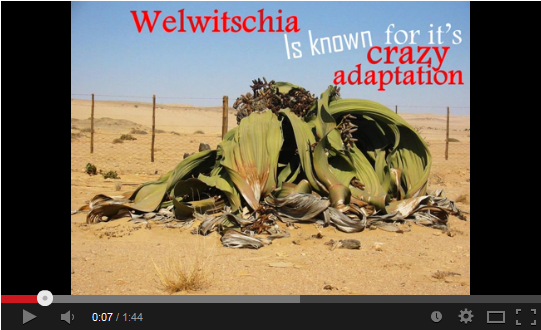
The crater is home to a surprising variety of plant life, including the Welwitschia mirabilis, an ancient plant that can live for over a thousand years. These plants have developed remarkable adaptations to survive in the arid environment, including deep root systems and specialized leaves that collect moisture from the fog. Skeleton Coast Namibia desert plants offer a fascinating study in resilience.
Ethical Footprints in a Fragile Land
Visiting such a remote and potentially fragile environment comes with a responsibility. Responsible tourism operators Skeleton Coast Namibia are essential. It's crucial to minimize our environmental impact, support local communities, and respect the delicate balance of the ecosystem. We must be mindful of our water usage, reduce our waste, and avoid disturbing wildlife.
Choosing eco-friendly accommodations and tour operators is a great way to support sustainable tourism. Ethical wildlife tourism Namibia means respecting the animals' space, avoiding feeding them, and not contributing to habitat destruction. The Skeleton Coast's unique beauty and ecological significance must be protected for future generations.
A Call to Conservation
The Skeleton Coast is a place that stays with you long after you've left. It's a reminder of the power of nature, the resilience of life, and the importance of conservation.
As Dr. Anya Sharma Skeleton Coast review shows, the region offers a unique blend of adventure, natural beauty, and scientific intrigue. But it's also a place that demands our respect and our commitment to responsible tourism. Consider visiting the Skeleton Coast responsibly, supporting local communities, and minimizing your impact on this fragile ecosystem. The African wild dog population, for example, is critically endangered with only about 6,600 individuals remaining in the wild. By supporting conservation efforts, we can help protect these incredible animals and ensure that the whispers of the Skeleton Coast continue to echo for generations to come.