Whispers of the Namib: Responsible Desert Explor...
Imagine standing on the crest of a towering sand dune as the first rays of sunlight paint the Namib Desert in hues you’ve never seen before. Deep crimson bleeds into pale ochre, the stark contrast defining the landscape with dramatic shadows. The air, crisp and cool against your skin, carries the immense silence of this ancient place. But the Namib is a fragile beauty, and responsible Namib Desert tours are crucial to its survival. This is a call to explore mindfully, to tread lightly, and to ensure that our presence preserves, rather than diminishes, this extraordinary ecosystem. Let’s discover how we can embrace sustainable tourism Namibia desert and experience the whispers of the Namib in a way that honors its delicate balance.
The Fragile Beauty and Ethical Tourism
The Namib Desert, a land of stark beauty and remarkable resilience, faces increasing pressure from tourism. One of the most critical concerns is water scarcity. This arid environment relies on limited rainfall, and unsustainable tourism practices can deplete this precious resource, directly impacting both the ecosystem and local communities. Practicing Namib Desert ethical travel means understanding the impact of our actions and making conscious choices to minimize our footprint.
Here are some actionable tips for minimizing water usage during your visit:
- Support Eco-Lodges: Choose accommodations with proven water conservation initiatives, such as rainwater harvesting, greywater recycling, and water-efficient fixtures. Look for certifications or awards recognizing their commitment to sustainability.
- Conserve Water at Your Accommodation: Take shorter showers, reuse towels and linens, and report any leaks promptly.
- Respect Local Guidelines: Adhere to water usage guidelines provided by your tour operator or accommodation.
- Pack Responsibly: Bring your own reusable water bottle and refill it whenever possible, avoiding the need to purchase bottled water.
- Choose Sustainable Activities: Opt for activities that have a minimal impact on water resources, such as guided walking tours or stargazing.
By making these conscious choices, you can help ensure that future generations can also experience the awe-inspiring beauty of the Namib. Responsible travel helps minimize the impact of tourism on scarce water resources.
Sesriem Canyon Soundscape: A Symphony of the Desert
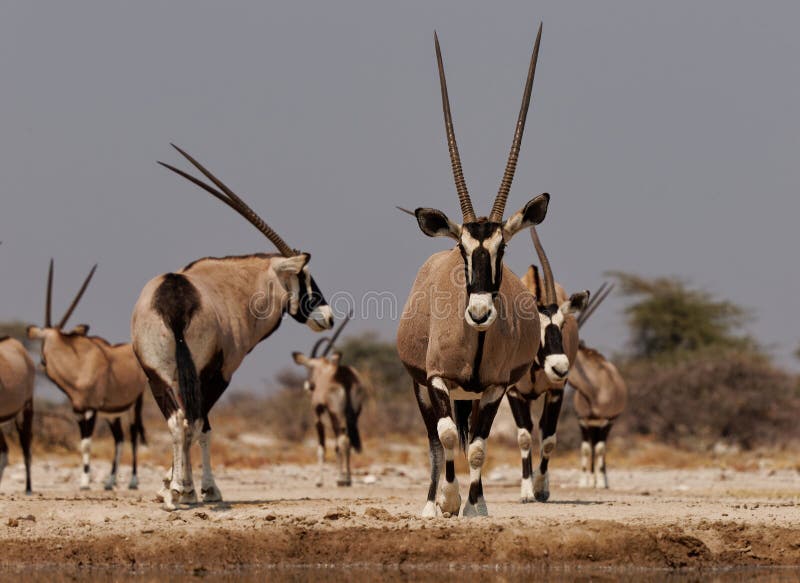
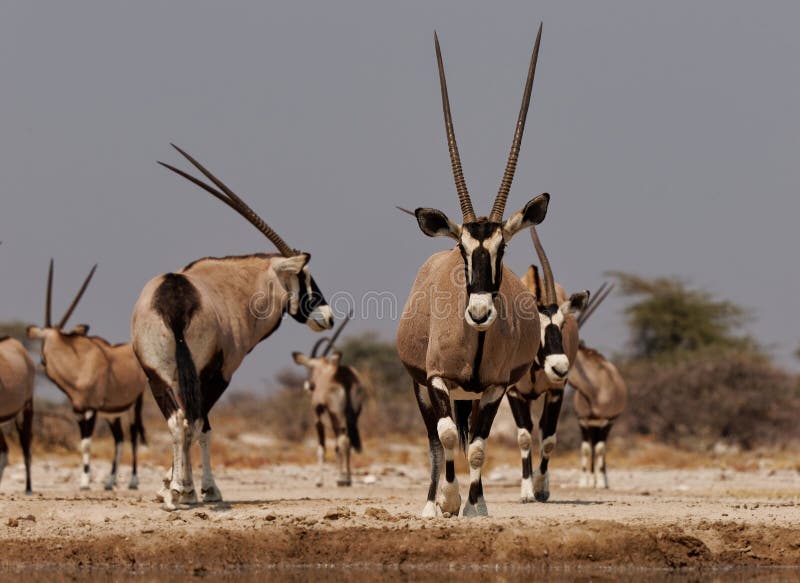
Sesriem Canyon offers a unique auditory experience. Descending into its cool depths, you leave behind the expansive silence of the dunes and enter a world of subtle sounds. The air vibrates with the echo of your footsteps on the canyon floor. Listen closely, and you might discern the high-pitched chirping of the barking gecko, a creature uniquely adapted to this harsh environment. This sound, often described as a distinctive "klee-klee-klee," is a signature of the Namib. Further away, carried on the desert breeze, you might catch the distant roar of a gemsbok, a powerful antelope adapted to survive with little water, further immersing you in the wildness of this incredible place. The canyon walls amplify these subtle sounds, creating a symphony of the desert that speaks of resilience and adaptation. This Namibia desert eco tours experience connects you with the environment on a deeper level.
The !Xau Bushman Collective: Artistry and Heritage
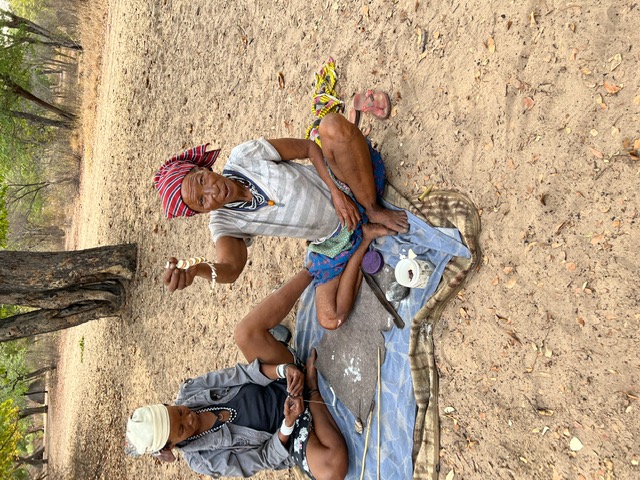
Tourism, when conducted responsibly, can play a vital role in preserving cultural heritage. The !Xau Bushman Collective exemplifies this. This San Bushman community is dedicated to crafting traditional jewelry, using intricate beadwork to create stunning necklaces that reflect their rich cultural heritage. Each piece tells a story, passed down through generations. The artistry of their beaded necklaces showcases their deep connection to the land and their traditional way of life. Supporting the !Xau Bushman Collective through ethical tourism provides a sustainable income for the community, enabling them to preserve their traditions and pass them on to future generations. Explore their beautiful creations and support their heritage by purchasing a piece like the vistalocation.com/xau-necklace. This is a direct way of supporting community-based tourism Namibia.
Ethical Wildlife Photography: Respect from a Distance
The allure of capturing stunning images of the Namib's unique wildlife is undeniable. However, it's crucial to consider the ethical implications of our photographic practices, especially when using drones. The use of drones, while tempting, can significantly disturb sensitive desert ecosystems, particularly impacting nesting birds like the Damara tern. These birds nest on the ground, often in open areas, making them extremely vulnerable to disturbance from above.
Responsible alternatives include:
- Telephoto Lenses: Invest in high-quality telephoto lenses that allow you to capture detailed images of wildlife from a safe distance.
- Respect Wildlife Boundaries: Maintain a respectful distance from animals and their habitats. Avoid approaching nesting sites or disturbing their natural behavior.
- Listen to Local Guides: Heed the advice of local guides who are knowledgeable about wildlife behavior and sensitive areas.
- Avoid Drones in Sensitive Areas: Refrain from using drones in areas known to be nesting sites or where wildlife is particularly vulnerable.
Prioritizing the well-being of wildlife over the desire for a perfect photograph is essential for responsible wildlife viewing Namib Desert. Let's capture memories that don't come at the expense of the animals that call this desert home.
Regenerative Tourism: Restoring the Desert's Heart
Beyond minimizing our impact, regenerative tourism aims to actively restore degraded ecosystems and contribute positively to the environment. In the Namib Desert, this can involve projects focused on reintroducing native plant species. One notable example is the efforts to reintroduce Welwitschia mirabilis in specific areas. This iconic plant, a symbol of resilience, is slow-growing and vulnerable to habitat degradation. By actively planting and protecting Welwitschia, we can help restore the health and biodiversity of the desert ecosystem, showcasing Namib Desert conservation tourism.
Plan Your Responsible Namib Adventure
The Namib Desert is a place of unparalleled beauty and profound silence, offering an experience that stays with you long after you've left. By embracing responsible tourism practices, we can ensure that its whispers continue to inspire future generations. If you're ready to embark on an unforgettable journey, consider booking a responsible tour through vistalocation.com with text. &Beyond Sossusvlei Desert Lodge, for example, has strong sustainability credentials. They use solar power, recycle water, and support the local community. This is the best time of year responsible Namib travel for you to do good while experiencing the trip of a lifetime.
Start planning your sustainable Namib Desert Adventure today and discover the magic of this ancient landscape while contributing to its preservation. Remember, how to minimize impact Namib Desert begins with conscious choices.