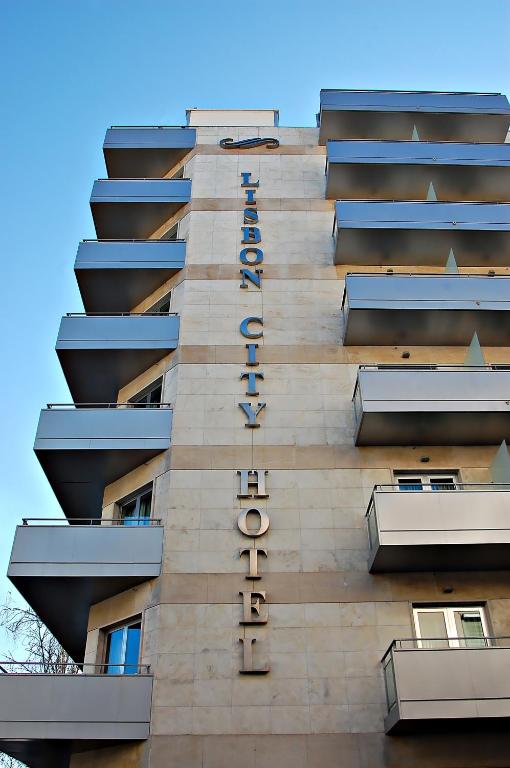
We Love F Tourists: An Accessible Lisbon Hostel...
Lisbon, a city of vibrant colors, echoing Fado melodies, and the tantalizing aroma of Pastel de Natas, had always been on my travel bucket list. As a 28-year-old deaf, hard-of-hearing, and visually impaired travel blogger, I knew navigating its historic streets would present unique challenges. But with careful planning and the help of assistive technology, I embarked on an accessible adventure, starting with a stay at "We Love F Tourists" hostel. This Lisbon disability travel guide shares my experience, emphasizing budget-friendly tips and sensory considerations for fellow travelers. My adventure began with a Uber Access ride from the airport (€15). I used the "Be My Eyes" app to get to the hostel.
First Impressions: Navigating Lisbon with "Be My Eyes"
Arriving in Lisbon, the sensory overload was immediate. The cacophony of car horns, the scent of exhaust fumes mixing with the salty air, and the uneven cobblestone pavements were a stark contrast to my quiet apartment. I relied heavily on the "Be My Eyes" app. I pointed my phone’s camera forward, requesting assistance from a volunteer to guide me. The kind voice on the other end described the streetscape, noting the blue and white tiles adorning the buildings and the bustling crowds. The screen reader can describe items very well, but it often struggles with context and nuance. It couldn't tell me if people were smiling or frowning, or if the street was about to get even more crowded.
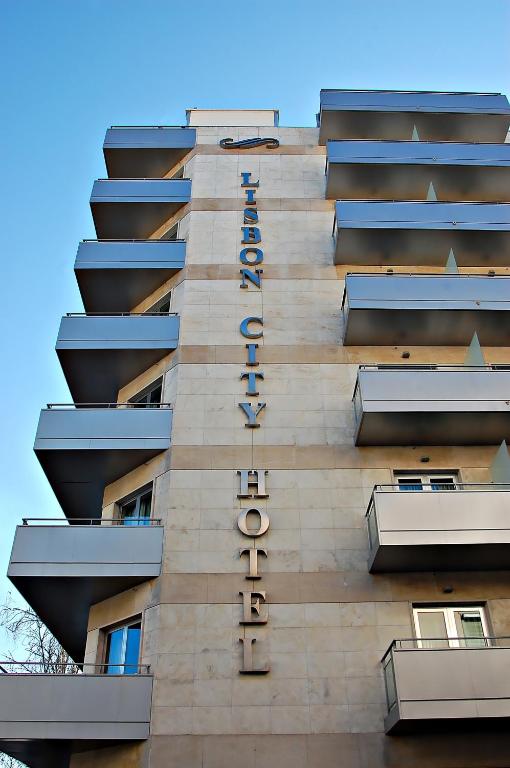
Finding "We Love F Tourists" near Rossio Square proved tricky, not due to distance, but due to accessibility. The screen reader on Be My Eyes read building numbers, but couldn't discern the texture of the pavement. The app helped confirm that the hostel was a few blocks from the square, but the cobblestones required slow, deliberate steps with my white cane. Finally, a volunteer identified the hostel's sign, a relief after navigating the labyrinthine streets.
Budget Breakdown: Lisbon on a Shoestring (with Accessibility Needs)
Accessible travel doesn't have to break the bank. Here's a glimpse into my daily budget in Lisbon:
- Hostel Bed at "We Love F Tourists": €20/night
- Sighted Guide: €30/hour (3 hours/day = €90)
- Uber Access (Airport Transfer): €15 (one-way)
- Time Out Market Meal: €10
- Total Daily Budget: Approximately €135
While the sighted guide added a significant expense, it was crucial for navigating unfamiliar environments and experiencing Lisbon to the fullest. Even though Lisbon is a great place for visually impaired travel, I needed help due to safety concerns.
"We Love F Tourists": A Review from a Sensory Perspective
"We Love F Tourists" is a budget-friendly option, but how does it fare in terms of accessibility? Let's dive in, focusing on the sensory experience. The hostel's accessibility can be improved, but the staff made the best of it.
Sleeping Arrangements
I stayed in a 6-bed dorm. The bunk bed was a challenge, requiring careful maneuvering up the ladder. The noise levels varied depending on my roommates, but earplugs were essential. The lighting was dim, making it difficult to navigate the room, even with my phone's flashlight.
Accessibility Features (or Lack Thereof)
The hostel had no elevator, a significant drawback. The common areas were accessible only via stairs. There was no tactile map of the building, making orientation difficult. While I didn't notice visual fire alarms, I did see standard auditory alarms. It's essential for hostels to consider both visual and auditory alerts.
Communication Challenges and Solutions
I carry a digital file on my phone containing my medical information and accessibility needs. Charging my devices was thankfully not a problem, as there were outlets near my bed.
Communication was a mix of written notes, gestures, and my limited Portuguese sign language. I also carried a laminated card explaining my hearing and vision needs in both English and Portuguese.
One morning, I tried to ask a staff member for directions to the nearest tram stop. Using my laminated card and pointing to the word "tram," I thought I was clear. However, the staff member directed me to a bus stop instead. After a few minutes of confusion and further clarification using gestures and a translation app, we resolved the misunderstanding. This interaction underscored the importance of patience and clear communication.
Experiencing Fado: A Tactile Journey at Clube de Fado
Attending a Fado performance at Clube de Fado was a highlight. I didn't fully comprehend the Portuguese lyrics, but the tactile sensations of the music resonated deeply. The vibrations in my chest from the bass guitar, the warmth of the room filled with bodies, and the feel of the worn wooden chair beneath me created an immersive experience.
My sighted guide, Ines, whispered interpretations of the emotions conveyed by the singer – the longing, the sorrow, the passion.
"She’s singing about saudade," Ines explained, "a deep longing for something or someone that is lost."
Even without understanding the words, I felt a connection to the music, a shared human experience of longing and emotion.
Time Out Market Lisboa: A Sensory Feast
For food, Time Out Market Lisboa is a must-visit. The diverse options and shared table setting create a vibrant atmosphere. I highly recommend trying the croquettes – the crispy exterior giving way to a creamy interior – and, of course, the Pastel de Nata. The flaky pastry and sweet custard were heavenly.
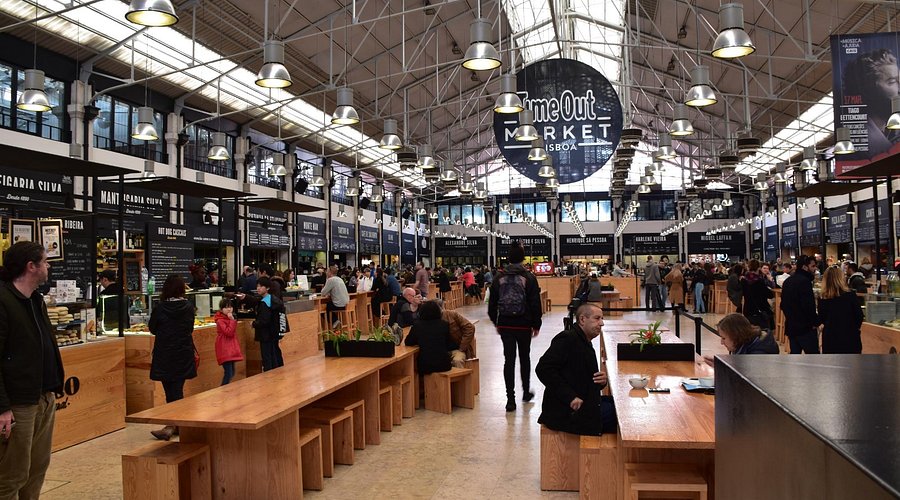
The sensory experience was overwhelming in the best way. The aromas of grilled seafood, the sounds of bustling crowds, the feel of the warm sun on my skin through the open windows, the cool breeze – it was a feast for the senses, even with my sensory limitations.
Safety First: Navigating Lisbon's Challenges
Navigating Lisbon as a visually impaired and deaf traveler requires constant vigilance. The uneven cobblestone streets and crowded areas presented significant challenges. I use a white cane with a specialized tip for tactile feedback, allowing me to detect changes in the pavement. I also wear a bright, reflective vest at night for added visibility.
One evening, while walking back to the hostel, my cane detected a sudden drop-off – an uncovered manhole. Without the tactile feedback, I could have easily fallen. The sound from the cane echoed in the streets, helping me get a sense of my surroundings.
The Solo Traveler's Paradox: Vulnerability and Empowerment
Traveling solo with disabilities is a paradox. There are moments of vulnerability, of feeling overwhelmed and dependent. But there are also moments of profound empowerment, of proving to myself that I can overcome challenges and experience the world on my own terms. The salty smell of the ocean, the smell of roasting chestnuts, or the exhaust from cars filled the air.
I learned to embrace patience, to advocate for my needs, and to trust in the kindness of strangers. People were often willing to offer assistance, from guiding me across a street to helping me find my way.
Be My Eyes: A Lifeline in a Visual World
"Be My Eyes" was invaluable. I used it not only for navigation but also to read menus, identify bus numbers, and get descriptions of landmarks. The flashlight on my phone was especially helpful in dimly lit areas. The screen reader provides a good description of the item I am pointing the camera at, but sometimes struggles to place it within a specific context.
A Call to Action: Making Travel More Accessible
My experience in Lisbon highlights the need for greater accessibility in the travel industry. Hostels, hotels, restaurants, and tourist attractions should consider the needs of travelers with disabilities. Small changes, such as installing ramps, providing tactile maps, and training staff in disability awareness, can make a world of difference.
How to book an accessible taxi in Lisbon pre-arrival? It is important to do a search online. There are also several Lisbon disability travel agencies that can arrange this for you.
Let's work together to create a more inclusive and accessible world for all travelers.
Want to learn more about accessible tourism? Check out these organizations:
Let's make travel accessible for everyone!