Uyuni's Starlight Symphony: A Journey Beyond the...
Imagine standing on the largest salt flat in the world, a seemingly endless expanse of white stretching to the horizon in every direction. Now, picture that canvas transforming into a breathtaking celestial masterpiece as night falls, the stars reflecting off the crystalline surface creating an illusion of floating in the cosmos. That's Salar de Uyuni, Bolivia, and it’s an experience that will redefine your understanding of the night sky. This is my story of an unforgettable astro-tourism adventure, a journey that not only unveiled the wonders of the universe but also underscored the importance of responsible travel. Prepare to be amazed!
The Surreal Landscape and the Promise of Dark Skies
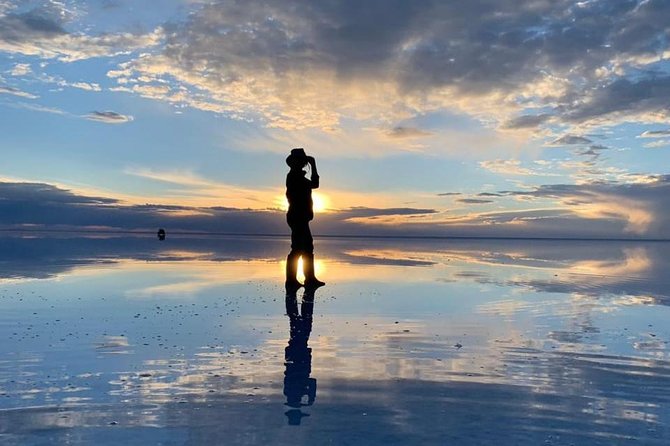
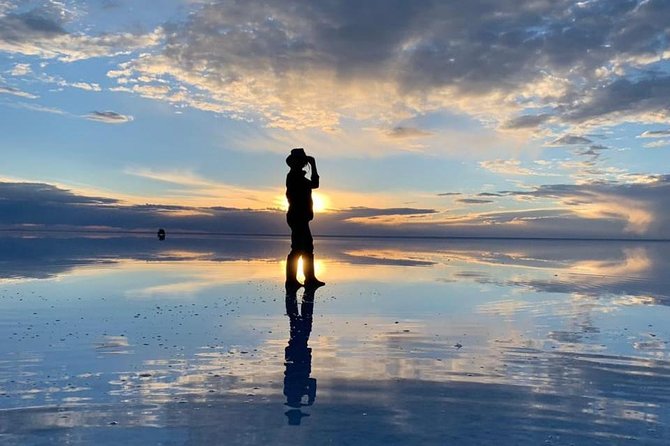
Salar de Uyuni is unlike any other place on Earth. During the rainy season (December to April), a thin layer of water transforms the salt flat into a giant mirror, blurring the line between earth and sky. Even in the dry season, the vastness and stark beauty of the landscape are mesmerizing. It’s a photographer’s dream, a place where perspective plays tricks on the eye, leading to those iconic forced-perspective shots. But for me, the real magic began after sunset.
The Salar de Uyuni boasts some of the darkest skies on the planet. With minimal light pollution and an altitude of nearly 12,000 feet, the conditions are ideal for stargazing. On moonless nights, the Bortle Scale rating plunges to Class 1, meaning the darkness is virtually pristine. The potential for Uyuni to be formally recognized as a Dark Sky Reserve is huge, offering unparalleled opportunities for astronomical research and education. This is where my Bolivia stargazing tour truly began!
Unveiling the Southern Sky: A Stargazing Tour to Remember
My tour began late in the afternoon, giving us time to reach a remote spot on the salt flats before darkness fell. Our guide, a local astronomer, was incredibly knowledgeable and passionate about the night sky. As the sun dipped below the horizon, painting the sky in hues of orange and purple, he pointed out the constellations that would soon dominate the night.
Visiting in April, I was particularly excited to see the Southern Cross, a constellation that’s invisible from most of the Northern Hemisphere. As darkness deepened, the Southern Cross emerged, a distinct asterism that felt almost mythical. Seeing it with my own eyes, naked-eye, was a deeply moving experience. Later in the year, from July to August, the Milky Way Core becomes intensely visible, offering even more spectacular views.
The sheer number of stars visible was astounding. The Milky Way stretched across the sky like a river of light, its countless stars blurring together into a luminous band. Through the tour's telescopes, we observed distant galaxies, nebulae, and star clusters, each more breathtaking than the last. Our guide shared ancient Andean cosmology, explaining how indigenous cultures have interpreted the stars for centuries, weaving stories of creation and destiny into the celestial tapestry. He helped us understand some of the best constellations visible Salar de Uyuni.
Unique Dining Experiences Under the Stars
The astro-tourism experience wasn’t just about what we saw in the sky; it was also about immersing ourselves in the local culture and cuisine. Two restaurants in particular stood out for their innovative and delicious dishes: La Loco Cafe and Restaurante 16 de Julio. Both offer a taste of Bolivian gastronomy with a creative twist, providing a truly Salar de Uyuni unique dining experiences.
At La Loco Cafe, I tried the Quinoa Sushi, a surprising and delightful combination of flavors and textures. The quinoa, grown locally, was cooked perfectly and seasoned with traditional Andean spices. It was then wrapped in nori seaweed with fresh vegetables and a tangy sauce. The presentation was beautiful, a colorful array of ingredients that looked as good as they tasted.
Restaurante 16 de Julio offered another culinary adventure with their Llama Carpaccio with Salt Crystals. The thin slices of llama meat were incredibly tender and flavorful, enhanced by the delicate salt crystals harvested directly from the Salar. The salt added a subtle crunch and a unique mineral taste that complemented the richness of the llama. The presentation was elegant, the carpaccio artfully arranged on a plate with a drizzle of olive oil and a sprinkle of fresh herbs. This made me consider the Llama carpaccio Salar de Uyuni ethical considerations of eating llama meat.

Responsible Astro-Tourism: Protecting the Dark Skies and the Environment
The beauty of Salar de Uyuni is fragile, and it’s crucial that we travel responsibly to minimize our impact on the environment. One of the biggest challenges for Salar de Uyuni astrotourism is light pollution. Even small amounts of artificial light can significantly degrade the quality of the night sky.
I made a conscious effort to reduce my light footprint by using a BioLite red light headlamp, which emits a dim, red light that doesn’t interfere with night vision. I also brought a Goal Zero solar-powered lantern for general illumination, avoiding bright white lights whenever possible.
Another important consideration is the use of electronic devices. The bright screens of smartphones and tablets can be incredibly disruptive to stargazing. I recommend packing a "Night Mode" phone screen filter, which reduces the amount of blue light emitted by the screen. During the astronomy tour, I used an amber or red phone screen filter to minimize light pollution and protect my night vision, keeping me in the moment and not polluting the night.
Environmental Concerns: The Impact of Lithium Mining on Flamingos
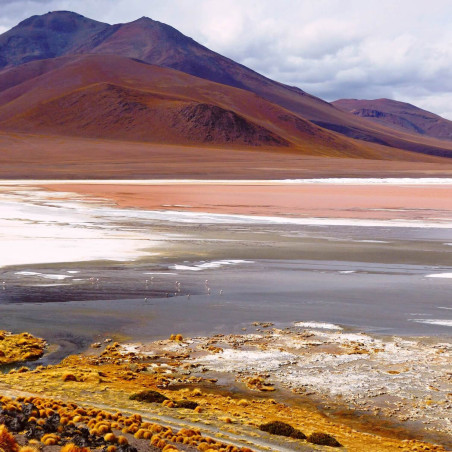
While the dark skies of Salar de Uyuni are a treasure, the region faces serious environmental challenges, particularly from lithium brine extraction. Lithium, a key component of batteries for electric vehicles, is abundant in the salt flats, making Bolivia a prime target for mining operations. However, the extraction process can have devastating consequences for the local ecosystem, especially for Andean Flamingo (Phoenicoparrus andinus), James's Flamingo (Phoenicoparrus jamesi) and Chilean Flamingo (Phoenicopterus chilensis) populations. I have been learning about sustainable travel Salar de Uyuni flamingo conservation.
Lithium mining requires vast amounts of water, which can deplete the fragile wetlands that flamingos depend on for feeding and breeding. The chemicals used in the extraction process can also contaminate the water, poisoning the flamingos and other wildlife.
To learn more and support conservation efforts, I highly recommend supporting Fundación Nativa, an organization dedicated to flamingo protection and research in the region. They work to monitor flamingo populations, protect their habitats, and promote sustainable tourism practices.
Furthermore, I made a commitment to pack out all bulky astronomy equipment packaging (telescope boxes, accessories) to minimize environmental impact. Leaving no trace is critical in such a delicate ecosystem.
A Call to Action: Experience Uyuni Responsibly
My journey to Salar de Uyuni was an experience that transcended mere travel. It was a journey into the heart of the cosmos, a celebration of the natural world, and a reminder of our responsibility to protect it. I urge you to visit Salar de Uyuni responsibly, to witness its unique dark skies, and to support local conservation efforts. Contact Fundación Nativa Salar de Uyuni to discover volunteering opportunities.
Pack your bags, dim your lights, and prepare for an adventure that will leave you in awe of the universe and inspired to protect our planet.
What is the best way to support Fundación Nativa in Salar de Uyuni?
- Donate to their research and conservation projects.
- Volunteer your time and skills.
- Promote their work through social media and word-of-mouth.
- Choose tour operators that support Fundación Nativa.
How dark is the night sky in Salar de Uyuni?
The Salar de Uyuni boasts some of the darkest skies on Earth, often achieving a Bortle Scale rating of Class 1 on moonless nights. This means minimal light pollution and excellent conditions for stargazing.
Book Salar de Uyuni stargazing tour today and experience the starlight symphony for yourself!