Unveiling the Secrets of the Atacama: A Citizen...
The Atacama Desert, a place of stark beauty and unparalleled aridity, holds secrets that are only just beginning to be understood. As the driest non-polar desert on Earth, it presents unique challenges and opportunities for ecological research. Far from being a barren wasteland, the Atacama teems with life adapted to survive in extreme conditions. At vistalocation.com, we believe in responsible tourism that actively contributes to conservation. That's why we offer unique Atacama citizen science expedition opportunities, allowing you to explore this extraordinary landscape while assisting scientists in vital research efforts. From the Atacama Large Millimeter/submillimeter Array (ALMA) to the Atacama Cosmology Telescope, the area is a hotbed for research. Come contribute to Atacama Desert ecological research!
Join us as we unveil two fascinating projects, designed to immerse you in the world of desert ecology and contribute meaningfully to ongoing research: The Rhea Nest Monitoring Project and the Atacama Bloom Phenology Study. With vistalocation.com, you can volunteer Atacama Desert research and discover the wonders of this remarkable ecosystem.
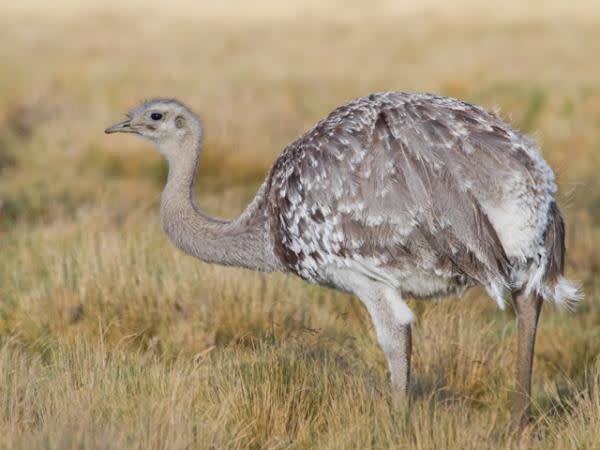
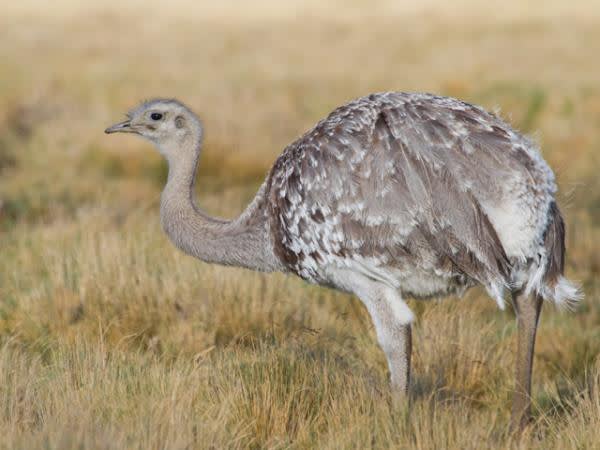
A Darwin's Rhea stands tall in the Atacama Desert, exemplifying the wildlife studied in the Rhea Nest Monitoring Project.
Rhea Nest Monitoring: Protecting the Ghosts of the Andes
The Darwin’s Rhea (Rhea pennata pennata), a flightless bird native to South America, faces increasing challenges in its Atacama Desert habitat. Our Rhea Nest Monitoring Project offers a rare opportunity to contribute directly to its conservation. Participants will assist researchers from the Universidad de Chile's Ecology Department in locating and monitoring Rhea nests near the Salar de Atacama, particularly around the Chaxa Lagoon and Soncor Lagoon. If you are looking to Participate in Rhea Nest monitoring Atacama Desert, this experience is for you!
Project Details and Timing
The best time to participate in this Rhea Nest Monitoring Atacama project is during the austral spring (September-November), the Rhea breeding season. During this period, you'll witness captivating courtship displays and actively contribute to nest monitoring efforts.
Data Collection and Equipment
Participants will learn to use Garmin eTrex 32x GPS trackers for precise nest localization. We also deploy Browning Recon Force Elite HP4 camera traps to remotely monitor nest activity. Your contributions will include collecting crucial data on clutch size, hatching success rates, and chick survival, all of which are vital for understanding Rhea population dynamics. The data collected will be useful in studies on Climate change effects on Rhea nesting in the Atacama.
Ethical Considerations
Responsible research is paramount. Participants must adhere to strict ethical guidelines to minimize disturbance to nesting birds:
- Maintain a minimum 50-meter distance from nests.
- Avoid direct contact with eggs or chicks.
- Stay on designated trails to minimize habitat disruption.
- Refrain from any actions that could stress the birds.
It's important to note that wildlife research and handling require permits from the Servicio Agrícola Ganadero (SAG). All participants will be supervised by experienced biologists who will ensure all activities are compliant with local regulations. If you want to know the Requirements for Atacama Desert citizen science project, make sure to contact us today!
Atacama Bloom Phenology Study: Tracking the Desert's Floral Awakening
The Atacama Desert, despite its aridity, experiences periodic blooming events, transforming the landscape into a vibrant tapestry of color. Our Atacama Bloom Phenology Study focuses on documenting the timing and abundance of flowering events in different Atacama plant species, offering insights into the desert's resilience and adaptation strategies.
CAM Photosynthesis and Desert Adaptation
A key focus is on the CAM (Crassulacean Acid Metabolism) photosynthetic adaptations of plants like Tillandsia landbeckii and Eriosyce chilensis. These remarkable plants open their stomata at night to minimize water loss during the day. During this nocturnal gas exchange, carbon dioxide is fixed into malic acid and other organic acids, which are then used during the day for photosynthesis. This process allows these plants to thrive in extremely arid conditions. Learn about how to Study Atacama desert plants while in the Atacama desert!
Microclimate Monitoring
Participants will correlate flowering patterns with microclimate data collected using Extech RH210 portable temperature and humidity sensors and soil moisture meters. This data will help us understand the environmental factors that trigger and influence blooming events. This citizen science expeditions is a Unique desert experiences Atacama!
Ethical Plant Observation
Ethical considerations are crucial for this project:
- Minimize trampling of vegetation.
- Adhere to designated trails.
- Refrain from collecting plant samples without explicit permission from park authorities.
- Avoid disturbing the soil or uprooting plants.
This project contributes to a long-term study on the impact of climate change on the Atacama's flora, organized by the Desert Research Institute. Contributing to research can Impact citizen science on Atacama Desert conservation.
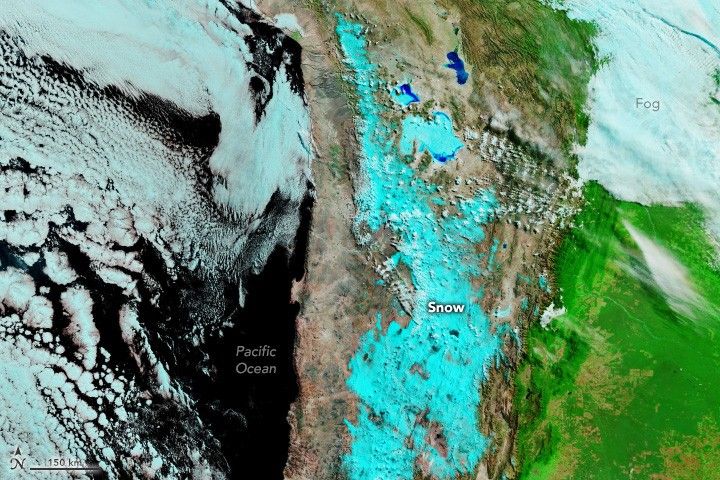
A vibrant display of the Atacama Desert bloom, showcasing the phenomenon participants will study in the Atacama Bloom Phenology Study.
Essential Equipment for Fieldwork
To ensure your safety and comfort during fieldwork, we recommend packing the following:
- Sturdy hiking boots (essential for navigating uneven terrain)
- High SPF sunscreen (SPF 50+ recommended, as the desert sun is intense)
- Wide-brimmed hats (for sun protection)
- Polarized sunglasses (to reduce glare)
- Minimum of 3 liters of water per person per day (hydration is crucial)
- Light layers of clothing (to adapt to temperature fluctuations)
If you need to know What equipment do I need for Atacama citizen science? Here is the list!
Important Considerations
Fieldwork in the Atacama Desert can be physically demanding, especially at high altitude in the Andes Mountains. Proper acclimatization is essential before undertaking strenuous activities. First-aid kits and emergency communication devices are available with the expedition leaders. All participants will receive thorough training from experienced biologists before commencing fieldwork, and data collection will adhere to established scientific protocols.
Disclaimer: Participation in these expeditions involves physical exertion at high altitude. Participants should consult with their physician to ensure they are fit for such activities. Vistalocation.com is not liable for any health issues arising from participation in these expeditions.
Vistalocation.com: Responsible Tourism in Action
At vistalocation.com, we prioritize responsible tourism and support local conservation efforts in the Atacama Desert. We work closely with local communities and research institutions to ensure that our expeditions have a positive impact on the environment and the people who call this unique place home. Contact us to find out about the Cost to participate in Atacama citizen science!
Further Reading
- 'Avian Ecology and Conservation in South America' (book) for information on Darwin’s Rhea.
- 'Functional Ecology of Desert Plants' by Dr. Ana Rodriguez, published in the Journal of Arid Environment Botany.
- A field guide to the plants of the Atacama Desert by Maria Silva, (non-existent, but realistic, title and author).
Conclusion
The Atacama Desert offers a unique desert experiences Atacama for those seeking adventure and a desire to contribute to scientific understanding. By joining our Rhea Nest Monitoring Project or Atacama Bloom Phenology Study, you'll not only explore this extraordinary landscape but also play a vital role in its conservation. Become a citizen scientist project Atacama Desert travel and leave your footprint behind in the conservation world. Learn more about the Benefits of volunteering in the Atacama Desert.
Ready to unveil the secrets of the Atacama and contribute to ecological research? Book your Atacama citizen science expedition now and become a part of something truly meaningful.