Unveiling the Secrets: A Sustainable Soundscape...
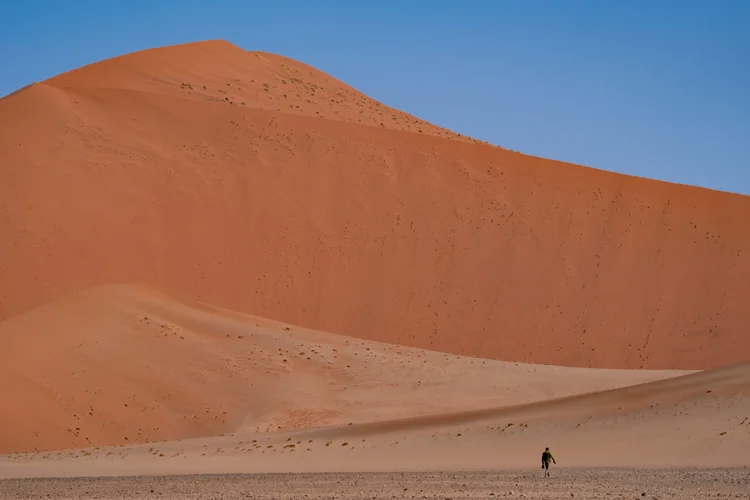
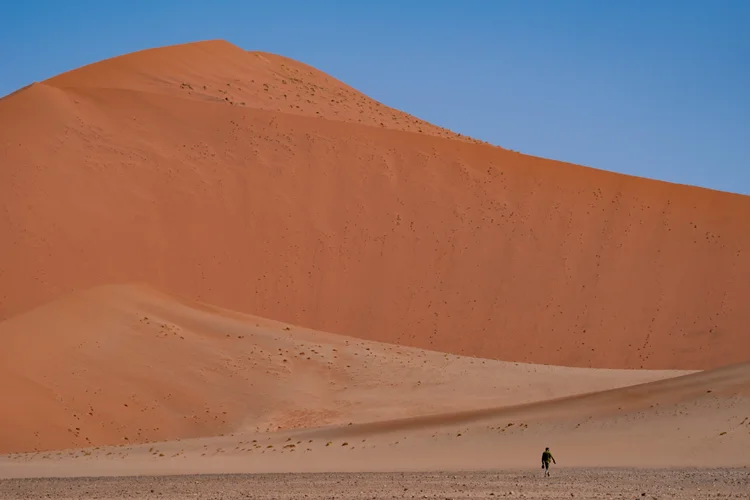
Imagine standing amidst the towering dunes of the Namib Desert, the oldest desert in the world. Not just observing the landscape, but truly listening to it. This isn’t your typical safari; it’s a soundscape safari, an immersive experience designed to connect you with the subtle, often overlooked symphony of the desert. Discover the sustainable Namib Desert Tour with Vista Location today! Join us on a three-day, two-night journey, exploring the "Living Desert Tour" near Swakopmund, Namibia, and residing in the ethically conscious Wolwedans camp, where conservation and comfort harmonize. This eco-friendly safari Namibia is a journey of discovery, revealing the secrets whispered by the wind, etched in the sand, and sung by the desert creatures.
Part 1: Tracking the Little Five on Foot
Forget the Big Five – in the Namib Desert, it’s all about the Little Five. This unique ecosystem is home to a cast of diminutive characters, each playing a vital role in the desert's delicate balance. The Little Five Desert Walk, part of the Living Desert Tour, is not about ticking off a checklist; it’s about understanding how life thrives in this seemingly barren environment. You’ll embark on a guided Namib Desert walk with a specialist guide who possesses an intimate knowledge of the desert’s secrets, allowing you to truly delve into Namib Desert wildlife tracking.
Instead of passively observing, you'll actively participate in deciphering the stories written in the sand. Imagine the thrill of identifying the distinctive tracks of a Namaqua chameleon, its tiny feet leaving delicate imprints as it hunts for insects. Learn about the sidewinder snake's unique locomotion, its sinuous trail a testament to its adaptation to the shifting sands. What animals are in the Namib Desert Little Five? Here is the list:
- Namaqua Chameleon
- Sidewinder Snake
- Dune Lark
- FitzSimon's burrowing skink
- Dancing White Lady Spider
Here are some visual characteristics of the tracks of each animal:
- Namaqua Chameleon: Tiny, five-toed prints, often with drag marks from its tail. Look for them near vegetation or insect activity.
- Sidewinder Snake: Distinctive J-shaped or S-shaped tracks, indicating its sideways movement across the sand. The depth of the track varies with sand consistency.
- Dune Lark: Small, bird-like footprints with three toes pointing forward and one pointing backward. Often found near water sources or insect mounds.
- FitzSimon's Burrowing Skink: Faint, discontinuous tracks created by its short legs and body. They often lead to small burrows in the sand.
- Dancing White Lady Spider: Difficult to track, but look for circular disturbances in the sand, indicating its burrow. At night, you might see its web-like structure on the sand surface.
The guide's personal anecdotes and in-depth knowledge bring the desert to life. You'll learn about the dune lark, a master of camouflage, and the FitzSimon's burrowing skink, perfectly adapted to life beneath the scorching surface. And then there’s the elusive dancing white lady spider, whose peculiar movements have earned it a place in desert folklore. This tour is not about speed or sightseeing; it’s about patience, observation, and a deeper understanding of this remarkable ecosystem.
Namib Desert Photography Tour
While focusing on sound, don't neglect the visual aspects. The desert offers stunning photographic opportunities. Photographing the Namib Desert at sunrise provides unique lighting. A Namib Desert Photography Tour can enhance your visual experience.
Part 2: Ethical Immersion at Wolwedans
After a day of exploring the desert floor, retreat to Wolwedans, a collection of camps committed to sustainable tourism practices. Far from a generic accommodation, Wolwedans provides a tangible example of how tourism can positively impact the environment and local communities. How do I get to Wolwedans camp? Wolwedans is accessible by air (private charter to their airstrip) or by road transfer from Sesriem.
The camps are designed with a light footprint, utilizing solar-powered infrastructure to minimize their environmental impact. Water conservation is paramount, with innovative systems in place to recycle and reuse water resources. But the commitment to sustainability extends beyond environmental concerns.
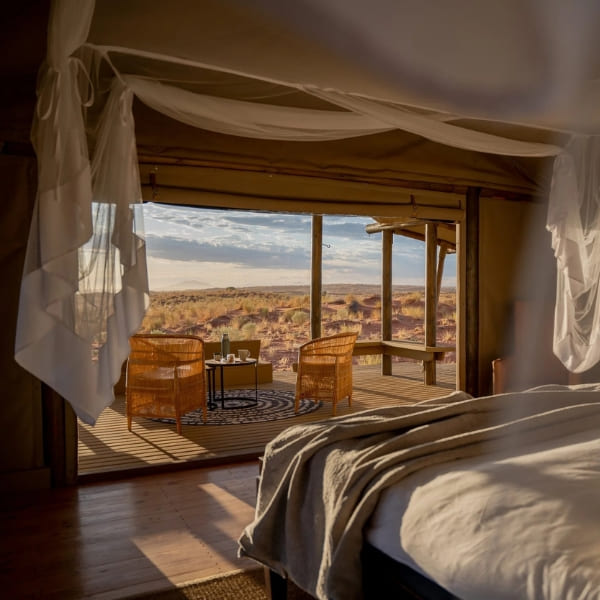
Wolwedans actively contributes to the local community through various initiatives. For example, the Wolwedans Foundation supports the NamibRand Community Trust, which focuses on education and skills development for local communities. The Wolwedans Desert Academy provides vocational training in hospitality and conservation, empowering individuals to pursue sustainable livelihoods. What are the principles of eco-tourism in Namibia? They include minimizing environmental impact, respecting local cultures, and contributing to community development. By choosing Wolwedans, you're not just enjoying a luxurious stay; you're directly supporting the conservation of the Namib Desert and the well-being of its people. Consider Wolwedans Camp all-inclusive safari package for the best experience. Why is sustainable tourism important in Namibia? It helps protect the fragile desert ecosystem and ensures benefits for local communities.
Sustainable Practices at Wolwedans
Wolwedans embodies the values of eco-tourism, with a focus on reducing environmental impact and supporting local communities. Here are some key examples:
- Renewable Energy: Camps are powered by solar energy, minimizing reliance on fossil fuels.
- Water Conservation: Water is recycled and reused to minimize waste.
- Community Involvement: The Wolwedans Foundation supports local education and skills development programs.
- Local Employment: Wolwedans prioritizes hiring and training local staff.
- Environmental Education: Guests are educated about the desert ecosystem and conservation efforts.
Part 3: Capturing the Desert's Soundscape
The Namib Desert isn't just a visual spectacle; it's an auditory experience waiting to be captured. This is where the "soundscape" part of your safari comes into play. To truly appreciate the desert, you need to listen – and record. Digital Sound Recording Desert requires specialized equipment.
For optimal audio capture, it’s recommended to use a Zoom H5 recorder, known for its versatility and sound quality. The desert wind can be a major challenge, so a deadcat windscreen is essential for minimizing wind noise.
Recording desert soundscapes with professional equipment
Here are the best times for recordings:
- Early morning: Capture the wind whistling through the dunes as the desert awakens. Is the Namib Desert safe for tourists? Yes, but be prepared for extreme temperatures and wind.
- Mid-morning: Listen for the distinctive calls of Stark’s Lark, a bird endemic to the Namib Desert. What equipment do I need to record Namib Desert sounds? A recorder, windscreen, headphones, and extra batteries.
- Late evening: Experience the eerie silence of the desert as the day transitions into night. The Namibia desert silence experience is truly unforgettable.
Here’s some practical advice for minimizing wind noise and other technical considerations:
- Positioning: Find a sheltered location or use natural barriers (dunes, rocks) to block the wind.
- Windscreen: Ensure the deadcat windscreen is securely attached and covers the microphones completely.
- Gain Settings: Adjust the recorder's gain settings to avoid clipping or distortion. Start with a low gain and gradually increase it until the desired level is achieved.
- Headphones: Use headphones to monitor the audio in real-time and identify any unwanted noise.
- File Format: Record in a high-quality file format, such as WAV, for optimal audio fidelity.
- Experiment: Don't be afraid to experiment with different microphone placements and recording techniques to find what works best in the desert environment.
- Batteries: The Namib Desert Safari Best Time to Visit is during dry season. What to pack for a Namib Desert sound recording trip? Bring extra batteries as they drain quickly in the desert heat.
How to record soundscapes in the desert?
Here's a step-by-step guide:
- Choose your location: Scout for interesting soundscapes.
- Set up your recorder: Attach the windscreen and adjust the gain.
- Monitor with headphones: Listen for unwanted noise.
- Record in WAV format: For the highest quality audio.
- Document your recordings: Note the time, location, and sounds you captured.
Resource Section
Enhance your Namib Desert Soundscape Safari with these useful links:
- A guide to identifying animal tracks in the Namib Desert: Create a simple visual guide for easy identification.
- Recordings of Stark’s Lark calls and other common desert birds: xeno-canto.org
- Information on supporting desert conservation through organizations like the NamibRand Nature Reserve: Visit their official website for details on how to donate and get involved.
Conclusion
A sustainable Namib Desert tour offers a unique opportunity to connect with the environment on a deeper level. The combination of tracking the Little Five, residing at the ethically conscious Wolwedans camp, and capturing the desert's unique soundscape creates an immersive and unforgettable experience. Book Wolwedans Camp Namibia today for your soundscape safari. Ready to embark on your own adventure? Contact Vista Location today to plan your sustainable soundscape safari in the Namib Desert! Check the Namib Desert Safari Discount Codes before booking.