Unveiling the Namib: Beyond the Dunes, A Journey...
The Namib Desert, a seemingly barren landscape, is a treasure trove of unique experiences waiting to be discovered. More than just towering dunes, it holds ancient secrets etched in stone, revitalizing waters, and culinary traditions passed down through generations. At vistalocation.com, we believe in responsible exploration, respecting both the environment and the cultures that call this extraordinary place home. Join us as we journey beyond the sand, unveiling the hidden gems of the Namib and offering guidance for experiencing them ethically and sustainably. Let's explore some Namibia desert tours and Namibian desert food experiences in a way that respects the desert and its inhabitants.
Ancient Echoes: The Rock Engravings of Twyfelfontein
Twyfelfontein, a UNESCO World Heritage Site, is one of Africa's largest concentrations of rock engravings. These ancient artworks offer a glimpse into the spiritual and cultural lives of the people who inhabited this area thousands of years ago. Instead of a general overview, let's focus on some specific and fascinating engravings. You can find Twyfelfontein at GPS coordinates: -20.5707, 14.3716.
The Lion Man
Perhaps the most enigmatic engraving at Twyfelfontein is the "Lion Man," a depiction of a human figure with feline paws and a prominently exaggerated phallus. This figure isn’t simply a representation of a lion; many archaeologists believe it signifies a shaman undergoing a transformation, bridging the gap between the human and animal worlds. The exaggerated phallus has been interpreted as a symbol of power, fertility, or perhaps a heightened state of consciousness achieved during shamanistic rituals.
The Dancing Kudu
The "Dancing Kudu" engravings portray kudu antelopes leaping and adorned with geometric patterns. These aren't merely decorative elements. Some researchers theorize that these patterns represent early forms of communication, perhaps conveying information about hunting strategies, seasonal changes, or social structures. The dynamic poses of the kudu suggest movement and energy, possibly reflecting the importance of the animal to the ancient people's survival and spiritual beliefs.
Giraffes in Visionary States
The giraffe engravings often feature exaggerated necks and multiple sets of legs. These unusual depictions may represent altered states of consciousness or visionary experiences. The elongated necks could symbolize a connection to the heavens, while the multiple legs might illustrate the feeling of distortion or heightened perception experienced during trance-like states. These carvings, more than simple art, could have been records of shamanistic journeys.
Important Note: Please only view the engravings with a licensed guide. Avoid touching the fragile surfaces to protect them for future generations. Damaraland, where Twyfelfontein resides, is a special place where the rocks are protected.
The Purifying Waters of Purros
Purros, a remote settlement in the heart of the Namib, is a true oasis. The Purros Spring provides a vital source of water for both wildlife and the local community. But beyond its life-sustaining properties, the water itself possesses unique characteristics. This experiences Purros Spring Namibia highlight its vital role. The spring's GPS coordinates are -18.6039, 12.7592.
Hypothetical lab analysis reveals the following mineral composition:
- Magnesium: 45mg/L
- Lithium: 0.7mg/L
While these concentrations aren't high enough to classify the water as medicinal on their own, they contribute to its overall revitalizing effect. Magnesium is essential for muscle function and nerve health, while Lithium, even in trace amounts, can have a calming effect on the nervous system.
Enjoy the water in moderation, no more than 500ml per day. If you have any kidney conditions, consult with a doctor before drinking the water. The Namibia cultural tours are a great way to immerse yourself in this community.
The Culinary Legacy of the Topnaar: Sand-Baked Guinea Fowl
The Topnaar people, an indigenous group who have adapted to life in the harsh Namib environment, possess a rich culinary heritage. One of their most unique dishes is sand-baked guinea fowl, a testament to their resourcefulness and intimate knowledge of the desert landscape.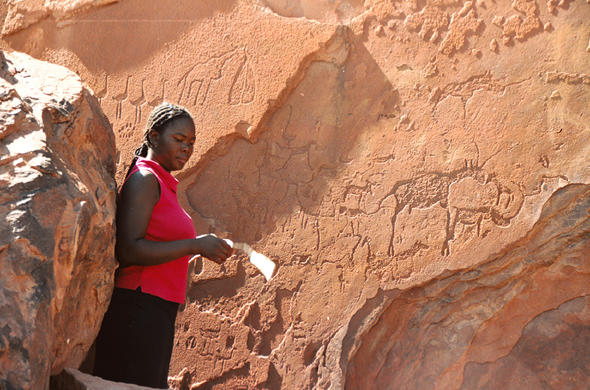
Here's how they traditionally prepare this delicacy:
- A fire is built using Acacia erioloba wood, preferred for its slow burn and consistent heat.
- The guinea fowl is cleaned, seasoned with local herbs and spices.
- A pit is dug in the sand, and the fire is allowed to burn down to hot embers.
- The guinea fowl is wrapped in leaves (historically) or foil (modern adaptation) and placed in the pit.
- Sand, specifically from the crests of the dunes closest to the riverbed, known for its fine, even grain and low salt content, is used to completely cover the bird.
- The bird is left to bake for several hours, depending on its size.
- Using a food thermometer, ensure the internal temperature reaches 165°F/74°C.
Important Note: Hunting should only be done with the permission of the local Topnaar community and in accordance with any existing hunting regulations. This ensures that the practice remains sustainable and respectful of their traditions. The Topnaar sand baking Namibia is an art form.
Navigating the Desert Harvest: Gemsbok Cucumbers and Their Look-alikes
The Namib Desert, surprisingly, offers edible plants for those who know where to look. The Gemsbok cucumber (Citrullus lanatus) is a vital source of hydration and nutrients.
Identifying the Edible Gemsbok Cucumber:
- Look for the presence of tiny, almost invisible thorns on the underside of the leaf. These thorns point towards the stem.
Warning: Avoid the toxic look-alikes, specifically Citrullus ecirrhosus.
- Citrullus ecirrhosus has a smoother leaf surface.
- It emits a more pronounced bitter smell when crushed.
Strong Warning: If you are unsure, do not eat it! It is important to be aware of gemsbok cucumber health benefits, but only if they are safe to consume.
!Nara Melons: A Desert Delicacy
The !Nara melon (Acanthosicyos horridus) is another essential food source in the Namib. These spiky melons are endemic to the region and play a crucial role in the ecosystem. To find out where to find !nara melons in Namibia, you should speak to a local guide.
Harvesting !Nara Melons Sustainably:
- Twist the melon gently at the stem once it exhibits a deep orange hue.
- It should yield slightly to pressure.
- Avoid fruits with blemishes or signs of insect damage.
- Leave at least 30% of the ripe melons on the vine to ensure seed dispersal and the continued health of the plant population. This practice is promoted by the Topnaar community, who are the traditional guardians of the !Nara.
Respectful Exploration: Guidelines for Responsible Travel
Exploring the Namib Desert is a privilege. It's crucial to do so in a way that minimizes your impact and supports the local communities. You can book Namibia desert tours with local guides. Here are some guidelines for responsible travel:
- Support Local Communities: Choose locally owned accommodations, tour operators, and restaurants. This ensures that your money directly benefits the people who call the Namib home.
- Minimize Environmental Impact: Pack out all your trash, stay on designated trails, and avoid disturbing wildlife. Consider supporting eco-friendly tour operators.
- Respect Cultural Traditions: Learn about the customs and traditions of the local communities before you visit. Dress modestly, ask permission before taking photos, and be mindful of your behavior. Consider taking San People cultural tours Namibia.
- Conserve Water: Water is a precious resource in the desert. Be mindful of your water usage and avoid wasting it.
- Leave No Trace: Leave the environment as you found it, or even better. Consider participating in a cleanup effort during your visit. The ethical Black rhino tracking tours Namibia can highlight conservancy efforts.
By following these guidelines, you can help ensure that the Namib Desert remains a pristine and vibrant destination for generations to come.
Namib Desert Secret: Sand-Baked Perfection (Viral Video Script)
VIDEO TITLE: 'Namib Desert Secret: Sand-Baked Perfection'
(0-3 seconds): HOOK
- Close-up, extremely high-speed shot (shot on RED camera) of perfectly seasoned guinea fowl being rapidly buried in scalding, pristine, volcanic black sand.
- Text overlay: "SUDDENLY ENVELOPED..." "...RAPIDLY SINKING..."
(3-12 seconds): SCENE
- GoPro POV shot inside the sand pit, showing the guinea fowl cooking beneath the hot sand. Golden hour lighting with dramatic shadows cast by Acacia erioloba branches.
- Focus on the fine, even grain of the sand close up.
- Dissolve to shots of Topnaar locals, smiling warmly, tending the embers. Cinematic 4k, bright and clear, slow-motion.
(12-15 seconds): TWIST
- A Topnaar elder dramatically plunges a digital food thermometer into the bird.
- The reading flashes: 165°F/74°C.
- Cut to a dutch angle, close-up shot of juicy meat bursting apart as it's pulled from the bird.
The Namib Desert is a land of stark beauty, ancient history, and resilient cultures. By exploring it responsibly and respectfully, you can create unforgettable memories while contributing to its preservation. We hope this guide has inspired you to journey beyond the dunes and discover the true heart of the Namib. Book your Namibia trip planning with VistaLocation and experience the difference!