Unveiling the Galapagos: A Marine Biologist's Jo...
The Galapagos Islands. Just the name conjures images of unique wildlife, volcanic landscapes, and the groundbreaking research of Charles Darwin. As a marine biologist specializing in sea turtle conservation, with a particular focus on Chelonia mydas (Green Sea Turtle) and Eretmochelys imbricata (Hawksbill Sea Turtle), I've always dreamt of visiting this extraordinary archipelago. Recently, that dream became a reality during a research expedition, an experience that exceeded all expectations. From tagging sea turtles to snorkeling with hammerhead sharks, and witnessing firsthand the ongoing conservation efforts, the Galapagos Islands are truly a living laboratory and a must-see destination for any nature enthusiast. This journey was not just a professional endeavor, but a deeply personal one, solidifying my commitment to protecting these fragile ecosystems. Join me as I recount my adventures and highlight the importance of responsible travel in preserving this unique corner of the world.
First Impressions: A World Unlike Any Other
Landing in the Galapagos was surreal. The stark volcanic landscape contrasting with the vibrant turquoise waters immediately captivated me. The air hummed with a palpable sense of wildness, a feeling that only intensified as I spotted my first Galapagos Penguin waddling along the shore! It was a truly magical moment, one that cemented my excitement for the research and adventure ahead. The sheer abundance of wildlife, seemingly unafraid of humans, was astonishing. This feeling of being a visitor in their world was a powerful reminder of the responsibility we carry as travelers.
Tagging Turtles on Española Island: A Conservation Mission
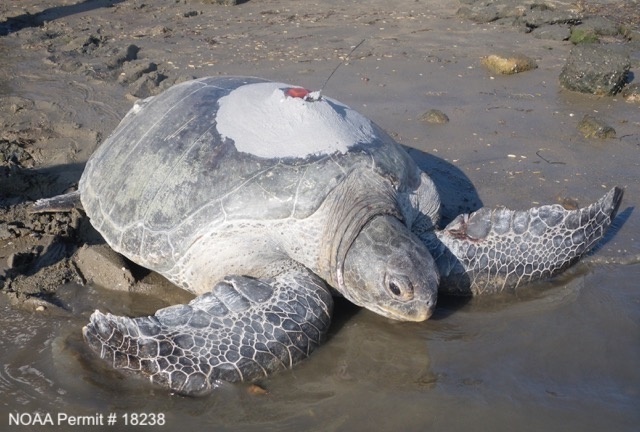
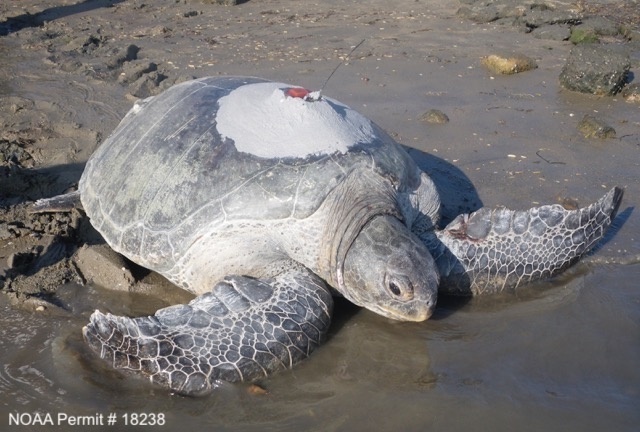
One of the primary goals of our expedition was to study the Green and Hawksbill Sea Turtle populations on Española Island. This involved a meticulous tagging process, crucial for understanding their movements, nesting behavior, and overall health. We employed two types of tags: PIT (Passive Integrated Transponder) tags, which are small microchips inserted under the skin for individual identification, and satellite transmitters, which provide real-time location data. The process involved carefully weighing and measuring each turtle, recording their carapace length, and noting any distinctive markings or signs of injury. We then gently attached the satellite transmitter to the carapace using a specialized epoxy.
The data collected – carapace length, weight, and nesting frequency – is invaluable for assessing population trends and identifying critical habitats. This information directly informs conservation strategies, helping us to protect nesting beaches, reduce bycatch in fisheries, and mitigate the impacts of climate change.
I'll never forget one particular encounter during the tagging process. We encountered a particularly large female Green Sea Turtle, clearly an older, more experienced individual. Her carapace was covered in barnacles, a testament to her long life at sea. As we carefully worked to attach the satellite transmitter, she remained remarkably calm, almost as if she understood we were there to help. This moment reinforced the profound connection I feel to these magnificent creatures and strengthened my resolve to protect them.
Kicker Rock (León Dormido): Snorkeling with Hammerheads
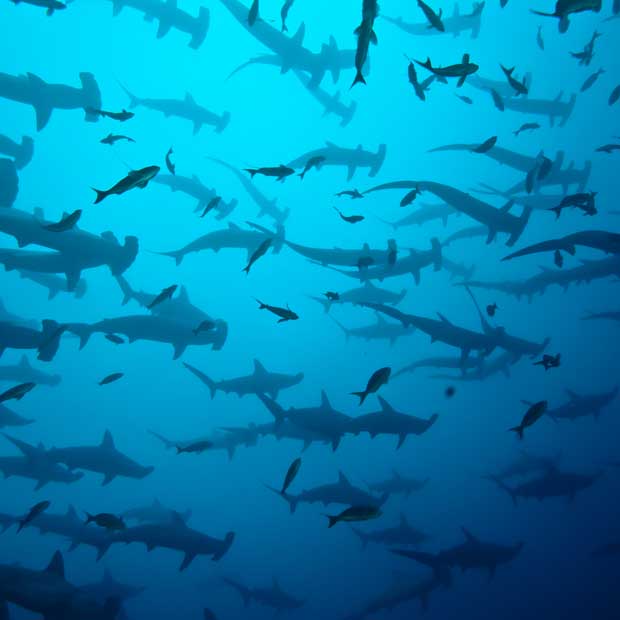
No trip to the Galapagos is complete without experiencing the incredible marine life firsthand. A snorkeling trip to Kicker Rock, also known as León Dormido (Sleeping Lion), was an absolute highlight. This iconic rock formation is a haven for marine biodiversity, and I was particularly eager to observe the Sphyrna lewini (Hammerhead Sharks) that frequent these waters.
The experience was exhilarating. As I slipped into the water, the visibility was incredible, and within minutes, I spotted them – a school of hammerhead sharks gracefully gliding through the depths. Their distinctive T-shaped heads and powerful bodies were mesmerizing. Observing these apex predators in their natural habitat was both humbling and awe-inspiring.
However, it's crucial to remember that we are guests in their home. Responsible snorkeling practices are essential to minimize disturbance to marine life. This includes maintaining a safe distance, avoiding flash photography, and refraining from touching or feeding the animals. By respecting their space and behaving responsibly, we can ensure that future generations can enjoy these incredible encounters. The best time to snorkel with hammerhead sharks in the Galapagos is between December and May.
The Charles Darwin Research Station: A Legacy of Conservation
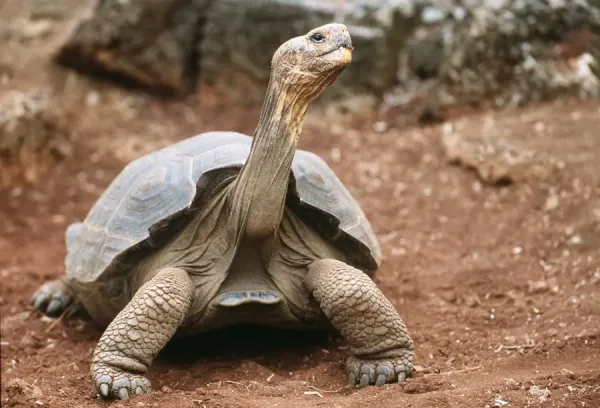
A visit to the Charles Darwin Research Station on Santa Cruz Island provided valuable insight into the ongoing conservation efforts in the Galapagos. The station plays a crucial role in protecting the islands' unique biodiversity, particularly the iconic Chelonoidis nigra (Giant Tortoises).
The breeding program for different tortoise subspecies is particularly impressive. Each island once had its own unique tortoise, adapted to its specific environment. Tragically, some subspecies were driven to near extinction due to hunting and habitat destruction. The Charles Darwin Research Station carefully breeds these endangered tortoises, raising them in a protected environment until they are large enough to be released back into the wild.
Of course, no discussion of the Charles Darwin Research Station is complete without mentioning Lonesome George, the last known individual of the Pinta Island tortoise subspecies. Despite tireless efforts, scientists were unable to find him a mate, and his death in 2012 marked the tragic extinction of his lineage. His story serves as a stark reminder of the importance of proactive conservation measures to prevent further loss of biodiversity and preserve genetic diversity within the tortoise population. You can find out how to visit the Charles Darwin Research Station by checking their website before your trip.
Sustainable Seafood in Puerto Ayora: A Culinary Journey
After a day of exploring, indulging in the local cuisine is a must. Fortunately, Puerto Ayora offers a variety of restaurants committed to sustainable fishing practices. At "El Kiosko," I savored the Ceviche de Canchalagua, made with sustainably harvested black conch. The freshness of the ingredients was undeniable, and the dish was bursting with flavor. At "La Garrapata Restaurant," I enjoyed grilled Wahoo, another local favorite. The restaurant's commitment to sourcing ingredients locally and supporting sustainable fishing practices was commendable.
Supporting restaurants that prioritize sustainability is crucial for protecting the Galapagos marine ecosystem. By making informed choices about our food, we can contribute to the long-term health of the islands. If you are unsure what is sustainable, ask your server if the seafood is harvested legally and follows ethical fishing regulations.
From Volcanic Landscapes to Turquoise Waters
The Galapagos Islands offer a stunning diversity of landscapes. Bartolomé Island, with its iconic Pinnacle Rock formation and surrounding lava fields, is a testament to the islands' volcanic origins. The sparse vegetation, adapted to the harsh volcanic environment, is fascinating. The Tiquilia nesiotica plant is a perfect example of the resilience of life in extreme conditions.
In stark contrast, Gardner Bay on Española Island boasts a pristine white sand beach and turquoise waters teeming with playful sea lions. Endemic Galapagos Mockingbirds flit among the vegetation, adding to the charm of this idyllic location. Watching the sea lions frolic in the surf was pure joy, a reminder of the vibrant life that thrives in these islands.
Finally, the mangrove forests on Isabela Island are vital nurseries for juvenile marine life. These unique ecosystems provide shelter and food for a variety of species, playing a crucial role in the overall health of the marine environment. The mangrove trees themselves are marvels of adaptation, able to thrive in saltwater conditions thanks to specialized filtration systems in their roots.
A Call to Action: Protecting the Galapagos for Future Generations
My expedition to the Galapagos Islands was an unforgettable experience, both professionally and personally. Witnessing the unique wildlife, contributing to vital research, and immersing myself in the stunning landscapes solidified my commitment to protecting these fragile ecosystems.
The Galapagos Islands are a treasure trove of biodiversity, a living laboratory that provides invaluable insights into evolution and conservation. However, they are also vulnerable to a variety of threats, including climate change, invasive species, and unsustainable tourism.
We all have a role to play in protecting the Galapagos for future generations. When planning your trip, choose tour operators committed to sustainable tourism practices. Support local businesses that prioritize conservation. Donate to organizations like the Galapagos Conservancy, which are working tirelessly to protect the islands' unique biodiversity. By traveling responsibly and supporting conservation efforts, we can help ensure that the Galapagos Islands remain a magical and inspiring destination for years to come. Learn more about ethical and sustainable travel within the Galapagos on the Galapagos Conservancy website. The Galapagos Islands are a once in a lifetime travel location and with sustainable actions, we can make sure the islands stay pristine for generations to come.