Unveiling the Cosmos: Dark Sky Adventures in the...
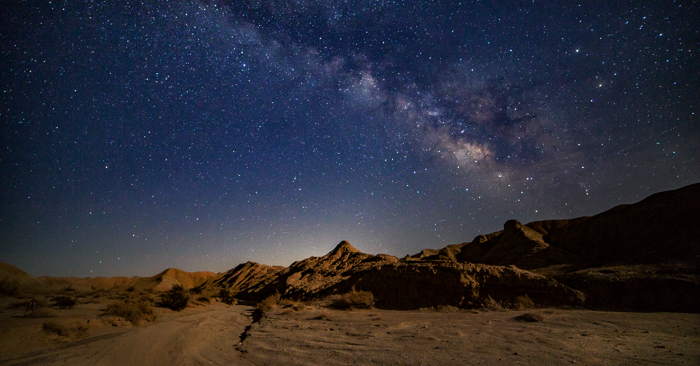
Imagine standing beneath a velvety black canvas, the Milky Way blazing overhead like a river of diamonds. The sheer number of stars, normally obscured by city lights, is breathtaking, inducing a sense of awe and wonder. This is the magic of a truly dark sky, a resource increasingly threatened by light pollution. Fortunately, a growing movement of dark sky tourism is emerging, dedicated to preserving these natural environments and allowing us to reconnect with the cosmos. This blog post highlights three exceptional desert locations renowned for their inky black skies, offering unparalleled experiences in stargazing, astrophotography, and even nocturnal wildlife observation. Prepare to embark on an unforgettable journey to the best dark sky destinations on Earth.
The Atacama Desert, Chile: A Stargazer's Paradise
The Atacama Desert in Chile is arguably the world's premier location for stargazing. Its unique geographical advantages make it a stargazer's paradise. Perched at a high altitude, the air is thin and dry, minimizing atmospheric distortion. Coupled with its minimal light pollution due to its remote location, the Atacama provides exceptionally clear and steady skies. This makes it ideal for both amateur and professional astronomers alike.
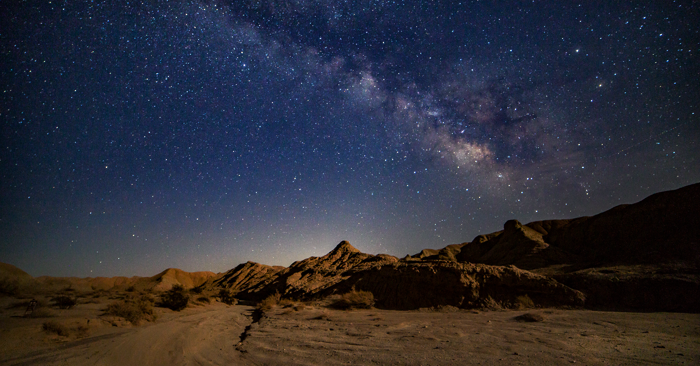
The Atacama is home to some of the world's most advanced observatories, including ALMA (Atacama Large Millimeter/submillimeter Array). While access to ALMA itself is generally restricted, several tour operators offer public Atacama stargazing tours, including Spaceobs. Spaceobs is particularly notable for its dark sky accreditation from the Starlight Foundation, ensuring responsible and informative astronomical experiences. Through powerful telescopes, visitors can observe stunning deep-sky objects like nebulae, galaxies, and star clusters, revealing the immense scale and beauty of the universe.
Practical Tips for Visitors:
- Best time of year: The shoulder seasons (April-May and September-October) generally offer the best combination of clear skies and comfortable temperatures to see the Milky Way in Atacama Desert.
- Altitude sickness: The high altitude can cause altitude sickness. Acclimatize gradually by spending a few days at a lower altitude before ascending to the higher stargazing locations and avoid altitude sickness in Atacama. Drink plenty of water and avoid strenuous activity.
- Appropriate clothing: Even in the desert, nighttime temperatures can drop dramatically. Dress in layers, including warm jackets, hats, and gloves.
NamibRand Nature Reserve, Namibia: A Sanctuary of Stars and Silence
The NamibRand Nature Reserve, Namibia, is a vast and breathtaking landscape of red sand dunes stretching beneath an equally vast and breathtaking night sky. It was one of the first reserves in Africa to be designated an International Dark Sky Reserve, a testament to its commitment to preserving its pristine nocturnal environment. The contrast between the towering red dunes and the inky blackness of the sky creates a truly unforgettable experience. This is a perfect destination for those seeking dark sky adventure travel.
Within the reserve, several lodges offer exceptional NamibRand dark sky experiences. Wolwedans is particularly noteworthy, with several dark sky lodge with telescope options, offering guided stargazing tours and astronomical presentations. Wolwedans is committed to sustainable tourism, minimizing its impact on the environment and contributing to the conservation of the NamibRand's unique ecosystem. These dark sky accredited accommodations near Atacama are crucial for responsible tourism.
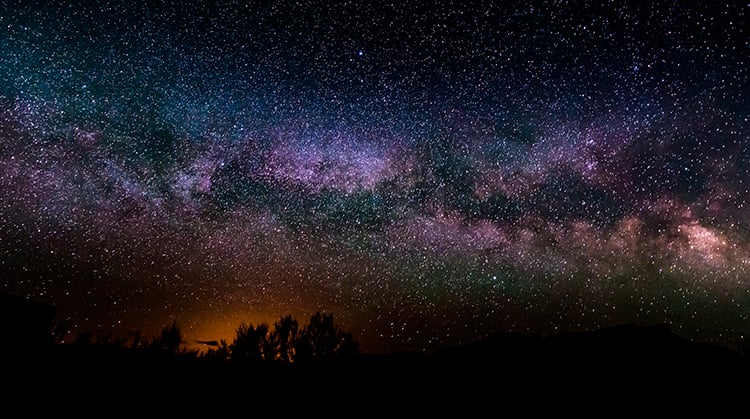
Being in the Southern Hemisphere, the NamibRand offers the opportunity to see the Southern Milky Way, a region of our galaxy that is not visible from northern latitudes. You can also observe constellations unique to the Southern Hemisphere, such as Crux (the Southern Cross) and Centaurus. Beyond the stars, the NamibRand is home to a fascinating array of nocturnal wildlife. Responsible wildlife viewing tours are available, allowing visitors to observe animals like the bat-eared fox, aardvark, and various reptiles under the cloak of darkness. Enquire about guided stargazing tours in NamibRand when you book.
Sustainable Skies: Responsible Astrotourism Practices
Always remember that the best months for stargazing in NamibRand are during the dry season (May to October) when skies are generally clearest.
Death Valley National Park, USA: An Accessible Oasis of Darkness
Death Valley National Park, located in California and Nevada, offers a surprisingly accessible dark sky experience within the United States. Designated as a Gold Tier International Dark Sky Park, Death Valley boasts some of the darkest skies in the country, making it an accessible oasis of darkness. Despite its proximity to urban areas, careful management of light pollution has preserved its nocturnal environment. Many visit to explore Death Valley stargazing spots.
Specific locations within the park, such as Mesquite Flat Sand Dunes and Harmony Borax Works, are particularly renowned for their dark skies. These offer unobstructed views of the night sky and are popular spots for astrotourism desert. The Death Valley Natural History Association hosts various stargazing events throughout the year, providing educational opportunities and guided tours for visitors.
Capturing the Cosmos: Photography Tips in the Atacama
For night sky photography Atacama, consider using a DSLR camera like the Sony a7S III with a wide-angle lens such as the Sigma 14mm f/1.8. These high-quality cameras can capture a lot of light and detail, important for night photography. To capture the Milky Way, use a long exposure (e.g., 20-30 seconds), a wide aperture (e.g., f/1.8 or f/2.8), and a high ISO (e.g., 3200 or 6400). Experiment with different settings to find what works best for your equipment and the specific conditions. Remember to bring extra batteries and a tripod.
Responsible Visitation is key:
It is crucial to practice responsible visitation when exploring Death Valley's dark skies. Stay on marked trails to protect the fragile desert ecosystem, minimize light usage by using red-light headlamps, and pack out all trash. Dark sky etiquette is a key component of preserving the desert.
Conclusion
The dark sky environments of the Atacama Desert, NamibRand Nature Reserve, and Death Valley National Park offer unparalleled opportunities to connect with the cosmos and appreciate the beauty of the natural world. By participating in responsible astrotourism and supporting conservation efforts, we can help preserve these precious resources for future generations. Remember to choose dark sky friendly hotels in Death Valley to minimize light polution.
Ready to experience the magic of a truly dark sky? Book a dark sky tour with Spaceobs in the Atacama to experience the wonder of the cosmos. Also, book accommodation at Wolwedans in NamibRand through vistalocation.com, specifically highlighting packages that include guided stargazing experiences. By selecting tour operators and accommodations with dark sky accreditation, you are contributing to the preservation of these incredible environments. As you gaze upon the star-studded sky, remember that you are witnessing a timeless spectacle, a connection to something far greater than ourselves.