Unveiling the Cosmos: An Astrophotographer's Jou...
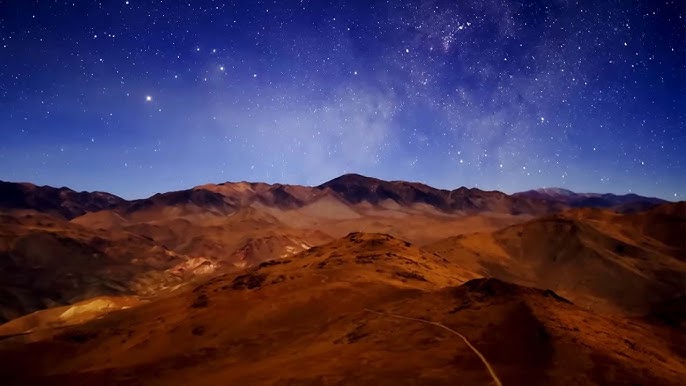
The Atacama Desert in Chile is a hallowed ground for astrophotographers. Its high altitude, incredibly dry air, and minimal light pollution create some of the clearest, darkest skies on Earth, making it a paradise for capturing the wonders of the universe. For a professional like me, Alex Ramirez, it's a place where the Milky Way blazes with unmatched brilliance and the faintest celestial objects reveal themselves with breathtaking clarity. My recent trip was nothing short of a cosmic pilgrimage, filled with unforgettable experiences under a sky that felt impossibly close. It's truly an Atacama Desert dark sky unlike any other. Join me as I recount my journey through this otherworldly landscape, sharing tips and insights for aspiring astrophotographers eager to embark on their own stellar adventure.
Stargazing Tours: A Deep Dive into the Southern Sky
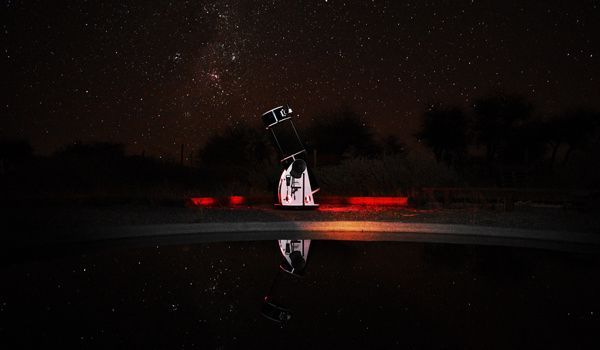
One of the highlights of my trip was a stargazing tour with 'Space Obs', a reputable local operator. Their expertise and passion for astronomy were evident from the moment we arrived at their remote observation site, far from the faint glow of San Pedro de Atacama.
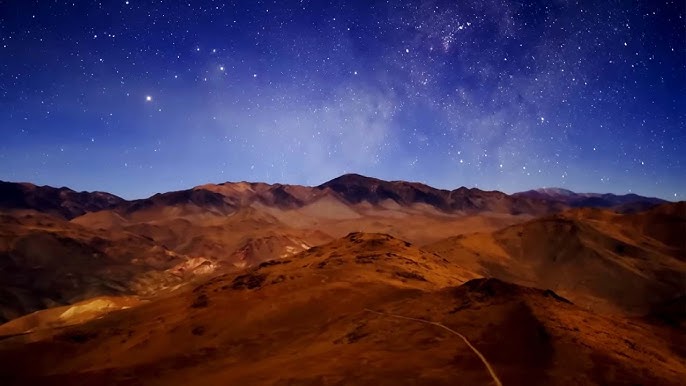
The highlight of the evening was observing the Magellanic Clouds, satellite galaxies of our own Milky Way, which are prominently visible from the southern hemisphere. Using their large aperture Dobsonian telescopes, we were able to discern intricate details within these cosmic clouds, resolving individual star clusters and nebulae. We spent hours tracing the Milky Way's galactic center, a region teeming with dust, gas, and billions of stars, a sight that is often obscured by light pollution in most parts of the world. This San Pedro de Atacama stargazing tour was truly exceptional.
Valle de la Luna: Where Earth and Sky Collide
No trip to the Atacama is complete without a visit to Valle de la Luna (Moon Valley). This surreal landscape, sculpted by millennia of wind and erosion, resembles the surface of the moon. I made sure to arrive before sunrise to witness the transformation of the landscape as the first rays of sunlight painted the rock formations in vibrant hues.
The iconic "Las Tres Marías" (The Three Marys), a group of weathered rock pillars, and the Amphitheater, a vast natural bowl, offered incredible opportunities to frame unique landscape astrophotography shots. As the night sky began to fade, I captured images that merged the otherworldly foreground with the ethereal glow of the Milky Way, creating a stunning juxtaposition of Earth and sky. Valle de la Luna photography at dawn and dusk is a truly special experience.
A Thrilling Interlude: Sandboarding at Duna Mayor
For a break from stargazing, I decided to experience the adrenaline rush of sandboarding at Duna Mayor (Great Dune). Soaring down the steep slope on a sandboard was an exhilarating experience, offering unique photographic opportunities of the vast desert landscape bathed in sunlight. Though daytime activities aren't my area of expertise, it was a welcomed thrill!
Culinary Delights: A Taste of the Atacama
The Atacama Desert offers more than just celestial feasts; its culinary scene is equally captivating.
Pastel de Choclo at Restaurante Adobe
At Restaurante Adobe, a charming restaurant in San Pedro de Atacama, I savored a Pastel de Choclo, a traditional Chilean dish. The sweet corn crust, encasing a savory filling of ground beef, chicken, olives, and hard-boiled eggs, was a delightful explosion of flavors and textures.
Alfajores: A Sweet Treat
During breaks between stargazing sessions, I indulged in Alfajores filled with manjar (Chilean dulce de leche). These delicate sandwich cookies were the perfect sweet treat to keep my energy levels up.
Quinoa at La Casona
For a taste of local ingredients, I dined at La Casona, where I enjoyed a delicious quinoa-based meal. The restaurant prides itself on using locally sourced produce, ensuring a fresh and authentic culinary experience.
Carmenere Wine Tasting in the Elqui Valley
A short trip to the Elqui Valley, known for its vineyards and clear skies, led me to Viña Falernia for a Carmenere wine tasting. This unique Chilean grape variety offered a complex bouquet of aromas, with notes of dark fruit, spices, and a hint of green pepper. Sipping this distinctive wine under the clear Elqui Valley sky was a sensory experience I won't soon forget.
The Atacama Landscape: A Geological Wonderland
The Atacama Desert's landscape is a masterpiece sculpted by wind, water, and time. Its geological formations are a testament to the Earth's dynamic processes.
Salt Flats (Salar de Atacama)
The Salar de Atacama, one of the largest salt flats in the world, is a vast expanse of white crust that stretches as far as the eye can see. The reflection of the sky on the salt surface creates a surreal and mesmerizing effect, especially during sunrise and sunset.
Altiplano Lagoons: Laguna Chaxa
A visit to Laguna Chaxa, an Altiplano lagoon, offered a glimpse into the desert's unique ecosystem. Here, I observed flocks of flamingos gracefully wading through the shallow waters, their vibrant pink plumage contrasting against the stark landscape. Watching them filter-feed with their specialized beaks was a fascinating sight.
Practical Tips for Aspiring Astrophotographers
Planning a trip to the Atacama Desert for astrophotography requires careful preparation. Here are some essential tips:
Equipment Recommendations
- Camera: A full-frame camera with good low-light performance is crucial. The Sony a7S III and Canon EOS Ra are excellent choices.
- Lenses: Wide-aperture lenses are essential for capturing faint celestial objects. Consider a 14mm f/2.8 or a 24mm f/1.4. Best lenses for astrophotography in Atacama are fast and wide.
- Star Tracker: A star tracker, such as the Sky-Watcher Star Adventurer, is essential for long-exposure shots, allowing you to capture more detail without star trails.
- Tripod: A sturdy tripod is crucial to withstand desert winds and provide a stable platform for your camera.
- Accessories: Don't forget a remote shutter release to minimize camera shake, dew heaters to prevent condensation on your lens, and extra batteries.
Best Time to Visit
The best time to visit the Atacama Desert for optimal stargazing conditions is during the dry season, which runs from April to October. Aim for dates around the new moon phase for the darkest skies. What's the best way to tour Atacama Desert? Plan your trip for the new moon.
Safety Precautions
- Altitude Sickness: The Atacama Desert is at a high altitude, so it's essential to acclimatize gradually. Drink plenty of water, avoid strenuous activity, and consider consulting your doctor about altitude sickness medication. How to prevent altitude sickness in the Atacama Desert? Acclimatize slowly.
- Hydration: The desert air is extremely dry, so stay hydrated by drinking plenty of water throughout the day. What is there to see in Atacama Desert? Plenty of wonders - but you need to stay hydrated!
- Sun Protection: The desert sun is intense, so wear sunscreen, a hat, and sunglasses.
Your Cosmic Adventure Awaits
The Atacama Desert is more than just a destination; it's an experience that will leave you in awe of the universe. Its unparalleled dark skies, otherworldly landscapes, and unique cultural experiences make it a must-visit for any astrophotography enthusiast. I hope my journey has inspired you to plan your own cosmic adventure. Don't wait any longer – book your trip through vistalocation.com today and prepare to be amazed! You will not regret booking your astrophotography tour Atacama.