Unveiling Namibia's Dark Skies and Ancient Lands...
Namibia. Just the name conjures images of towering dunes, vast deserts, and skies brimming with stars. As a 40-year-old astrophotographer from Mumbai, India, I'm always on the hunt for the perfect dark sky location, and Namibia, with its minimal light pollution and otherworldly landscapes, had been calling to me for years. My recent trip, meticulously planned with Vistalocation.com, was nothing short of a dream come true, offering a unique blend of luxury experiences, cultural immersion, and a profound connection with nature. This Namibia astrophotography tour exceeded all expectations.
Walking with the San: A Desert Masterclass
My journey began in the heart of the Namib Desert with a guided walk led by San Bushmen trackers. This wasn't just a hike; it was a masterclass in survival and observation. These incredible people possess an intimate knowledge of the desert ecosystem, passed down through generations. We learned to identify animal tracks, find hidden water sources, and understand the subtle language of the landscape. Their tracking skills were astounding, deciphering stories etched in the sand. The vastness of the desert, usually perceived as empty, suddenly teemed with life, thanks to their guidance.
Soaring Above Sossusvlei: A Sunrise Spectacle
The next morning offered a contrasting perspective: a hot air balloon ride over the iconic Sossusvlei dunes. The silence was broken only by the roar of the burner as we floated above the ancient landscape. Watching the sunrise paint the dunes in hues of orange, red, and gold was breathtaking. It was a completely different experience from walking the desert floor, providing a panoramic view of the scale and grandeur of Sossusvlei. The perspective shifted from the intricate details observed with the San to a sweeping appreciation of the desert's artistry.
Namibia Dark Sky Photography: Chasing the Milky Way
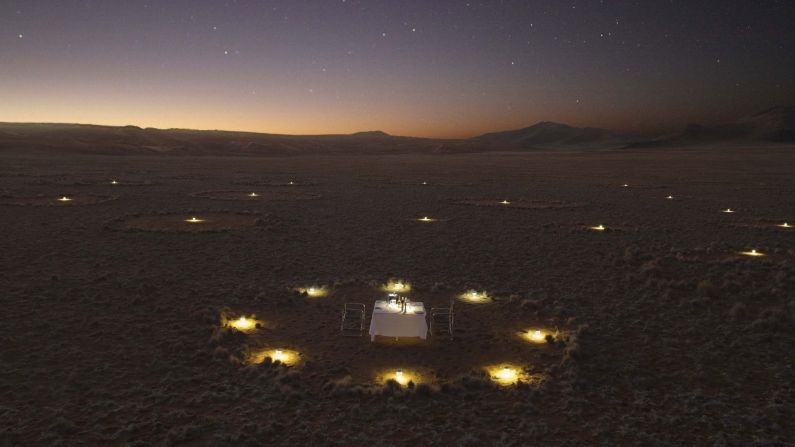
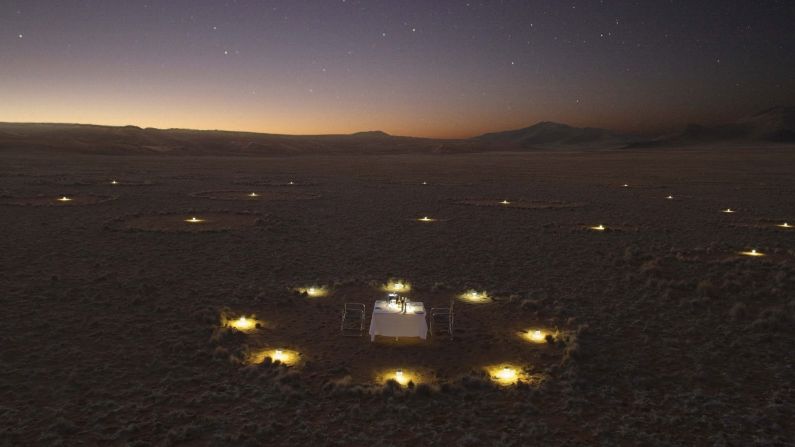
The highlight of my trip was undoubtedly the stargazing tour in the Namib Desert. The Namib Desert is a designated Dark Sky Reserve, and for good reason. The darkness is profound, allowing the Milky Way to explode across the sky in a dazzling display of light and color.
Before you head out, it's important to secure a Namib desert stargazing permit, especially if you plan on photographing within the Sesriem area. These permits help regulate activity and protect the pristine environment.
I used my trusty Sony a7S III with a variety of lenses, including a wide-angle 14mm f/2.8 for capturing the vastness of the Milky Way and a telephoto 200-600mm for closer shots of nebulae and galaxies. A sturdy tripod is essential, as are warm layers of clothing, as the desert nights can get surprisingly cold.
Here are a few astrophotography tips for Namib desert:
- Optimal Times: The dry season (May to October) offers the clearest skies. New moon periods are ideal for maximum darkness.
- Equipment Recommendations: Fast lenses (f/2.8 or faster), a full-frame camera, and a reliable star tracker are highly recommended.
- Desert Conditions: Protect your equipment from dust and sand. Bring plenty of batteries and memory cards. Be mindful of dew, which can form quickly as temperatures drop.
Etosha National Park: A Wildlife Oasis
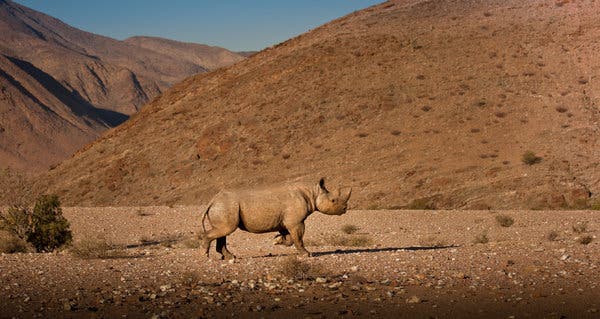
A day trip to Etosha National Park offered a welcome change of scenery. While the desert is stark and beautiful, Etosha teems with wildlife. We spotted elephants, lions, giraffes, zebras, and a variety of bird species. The park's conservation efforts are commendable, working to protect these magnificent animals for future generations. Seeing these creatures in their natural habitat was a powerful reminder of the importance of preserving biodiversity.
Wolwedans Boulders Camp: Sustainable Luxury
My stay at Wolwedans Boulders Camp was a highlight of the trip. The camp is nestled amidst stunning rock formations, offering unparalleled views of the desert landscape. The accommodations were luxurious, yet thoughtfully designed to minimize environmental impact. Wolwedans is committed to sustainable practices, from solar power to responsible water management. This sustainable lodge Namib desert sets a high standard for eco-tourism.
A Taste of Namibia: Culinary Delights
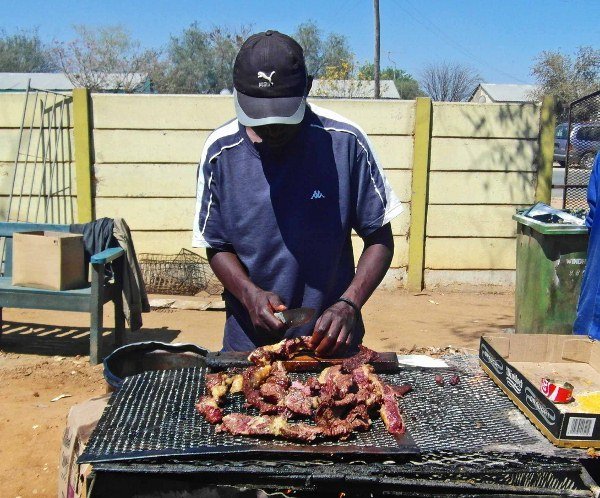
Namibian cuisine is a delightful surprise. I savored Oryx steak, a lean and flavorful meat, and enjoyed Kapana (grilled beef strips) from a local vendor. And, of course, I couldn't leave without trying Biltong, a type of dried, cured meat, which is a popular snack. The flavors were bold and unique, reflecting the country's diverse cultural influences.
The Contrasting Landscapes: A Photographer's Paradise
Namibia's beauty lies in its dramatic contrasts. The towering sand dunes of Sossusvlei are a stark contrast to the desolate Skeleton Coast, with its shipwrecks and haunting beauty. The rugged mountains of Damaraland, with their ancient rock formations, offer yet another distinct landscape. Each region presented unique photographic opportunities.
Community-Based Tourism in Damaraland: Empowering Locals
My travels took me to Damaraland, where I had the opportunity to engage with San Bushmen cultural tourism Damaraland. I was impressed by the community-based tourism initiatives in the area. These projects ensure that income generated from tourism directly benefits local communities, supporting education, healthcare, and wildlife conservation. It's a win-win situation, enhancing the travel experience while contributing to long-term sustainability.
Water Scarcity: A Critical Issue
Namibia faces significant water scarcity challenges. Tourism, while beneficial, can exacerbate these problems if not managed responsibly. It's crucial to support local water conservation projects and adopt responsible water usage practices. Lodges like Wolwedans are leading the way with innovative water management strategies. As travelers, we have a responsibility to minimize our impact and support initiatives that promote water conservation. Learning about water conservation travel Namibia before you go is vital.
Balancing Luxury and Responsibility
How does the Namibian tourism industry balance luxury experiences with environmental responsibility, particularly concerning water usage? This is a question I pondered throughout my trip. While luxury accommodations offer comfort and convenience, it's essential to choose lodges that prioritize sustainability. Look for certifications, ask about their water conservation efforts, and be mindful of your own consumption. Ethical tourism Namibia is achievable if travelers make conscious choices.
Best Practices for Astrophotography in the Namib Desert
What are the best practices for astrophotography in the Namib Desert, including optimal times of year, equipment recommendations, and strategies for dealing with desert conditions? As I mentioned earlier, the dry season is ideal. Bring appropriate equipment, protect it from dust, and be prepared for cold nights. Most importantly, respect the environment and leave no trace behind.
Supporting Local Communities: A Meaningful Travel Experience
How does supporting local communities in Damaraland through tourism enhance the overall travel experience and contribute to long-term sustainability? Engaging with local communities adds depth and authenticity to your journey. It allows you to learn about their culture, traditions, and way of life, while also contributing to their economic well-being.
The Namib's Unique Ecosystem: Minimizing Our Impact
How does the unique ecosystem of the Namib Desert showcase adaptation to extreme conditions, and what can travelers do to minimize their impact on this fragile environment? The Namib is a testament to the resilience of life. Travelers can minimize their impact by staying on designated trails, avoiding disturbing wildlife, and supporting eco-friendly tourism operators.
Conclusion: A Journey of Wonder and Responsibility
My trip to Namibia was an unforgettable experience, a journey that touched my soul and ignited my passion for both astrophotography and responsible travel. The dramatic landscapes, the profound darkness of the night sky, and the warmth of the Namibian people left an indelible mark. I encourage every traveler to consider a visit to this incredible country, to witness its beauty, and to support its efforts to protect its natural and cultural heritage. If you are interested in a Namibia astrophotography tour, visit Vistalocation.com to plan your trip today and explore the wonders of this magical place while making a positive impact on the communities and environment.