Unveiling Luang Prabang's Soul During Boun Pi Ma...
As a history professor hailing from Cairo and now teaching in London, I've always been drawn to the tapestry of human traditions. My current research focuses on the impact of tourism on Southeast Asian cultures, and this April, I found myself immersed in the heart of Laos, in the UNESCO World Heritage city of Luang Prabang. My visit coincided with Boun Pi Mai Lao, the Lao New Year, and what I experienced was nothing short of a profound cultural immersion. I wanted to provide a Luang Prabang Travel Guide to those seeking historical and cultural travel.
Boun Pi Mai Lao: A Celebration of Renewal
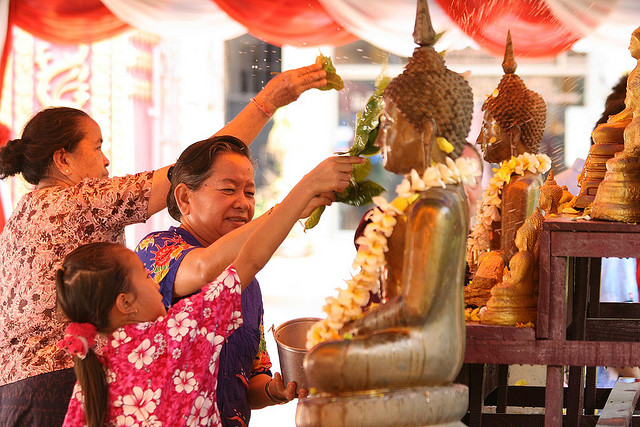
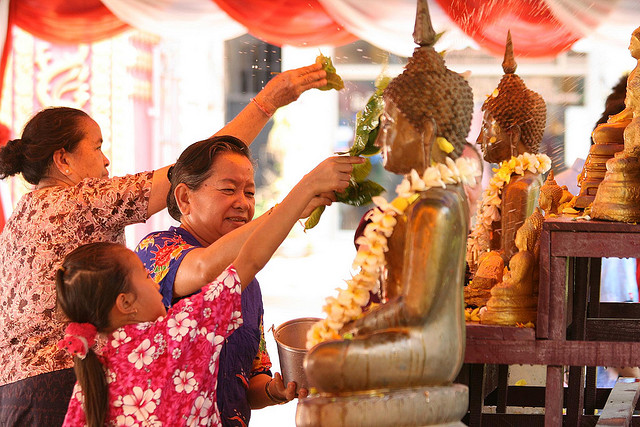
Boun Pi Mai Lao, or Laos New Year, is more than just a celebration; it's a spiritual cleansing and a joyous affirmation of life. The festival, typically held in mid-April, draws its roots from both Buddhist and animist traditions. I witnessed the iconic water ceremonies firsthand, where locals and tourists alike playfully splashed water on each other. This isn't mere revelry; the water symbolizes purification and the washing away of bad luck from the previous year. Children would approach elders and pour the water gently, symbolizing respect for their years of experience. As for when to visit Luang Prabang Laos, I suggest coming during this special time, as it is full of tradition.
One of the most moving rituals was the pouring of water on Buddha statues, a practice meant to honor the Enlightened One and seek blessings for the year ahead. I saw monks carefully cleaning the statues, followed by devotees gently ladling perfumed water over them.
Along the banks of the Mekong River, I joined locals in building sand stupas, intricate structures adorned with flowers and colorful flags. These sandcastles represent Mount Meru, the sacred mountain in Buddhist cosmology. The act of building them is believed to bring good fortune and merit. Participating in this activity was an enriching experience, symbolizing a spiritual connection to the land and its traditions. I also witnessed several parades, vibrant displays of traditional costumes, music, and dance, showcasing the rich cultural heritage of Laos.
It was fascinating to observe how local customs are preserved while adapting to modern influences during Boun Pi Mai. While traditional rituals remained central, I also noticed modern elements like contemporary music and dance performances woven into the celebrations. This coexistence of tradition and modernity highlights the dynamic nature of Laotian culture.
Boun Pi Mai Lao festival traditions:
- Water festival symbolizing cleansing and renewal.
- Pouring water on Buddha statues for blessings.
- Building sand stupas along the Mekong River for good fortune.
- Vibrant parades showcasing traditional costumes and dances.
Mekong River Journey to the Pak Ou Caves
A boat trip on the Mekong River is an essential Luang Prabang cultural experience. I embarked on a journey to the Pak Ou Caves, also known as the Buddha Caves, and the scenery along the way was breathtaking. Towering limestone cliffs framed the river, while rural villages dotted the landscape, offering glimpses into the traditional way of life along the Mekong.

The Pak Ou Caves themselves are a sight to behold. Nestled into the cliff face, these caves house thousands of Buddha statues, ranging in size and style. These statues have been placed here over centuries, transforming the caves into a sacred site of devotion. Stepping inside, I was struck by the sheer volume of religious iconography and the palpable sense of history. The caves have served as a place of pilgrimage and worship for centuries, and exploring them offered a glimpse into the deep-rooted Buddhist faith of the Laotian people.
A Culinary Journey Through Luang Prabang
No trip to Luang Prabang is complete without indulging in the local cuisine. The Luang Prabang food scene is full of flavor, and I made it a point to sample some of the region's most iconic dishes.
Khao Soi Luang Prabang
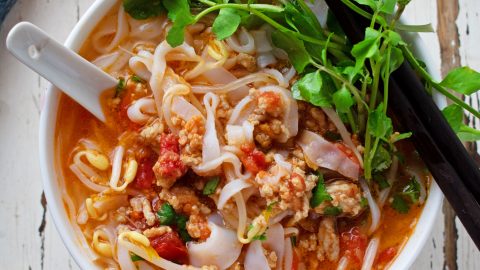
Khao Soi Luang Prabang is a unique noodle soup that differs significantly from its Thai counterpart. I tried the Khao Soi at the Xieng Thong Noodle Shop, a family-run stall near the Wat Xieng Thong temple. The air was thick with the aroma of spices, and the chatter of locals filled the air. The broth was incredibly rich and flavorful, infused with fermented soybeans and ground pork. The noodles had a satisfying chewiness, and the addition of fresh herbs and chili added a refreshing zing. The subtle tang of the fermented soybeans provided a unique depth that I found myself craving long after the bowl was empty.
Or Lam
Or Lam is a Laotian stew that embodies the heartiness of the region’s cuisine. I enjoyed a bowl of Or Lam at a small restaurant near the night market. The stew was a complex blend of flavors and textures. Made with a combination of meats (often buffalo or beef), vegetables, herbs, and spices, it was both comforting and intriguing. The addition of sa khan, a local vine with a slightly bitter taste, added a distinctive character.
Sai Oua
Sai Oua, or Lao sausage, is a must-try for any meat lover. I sampled Sai Oua from a street vendor near the Royal Palace Museum. The sausage was packed with herbs and spices, creating a burst of flavors with every bite. The lemongrass, galangal, and kaffir lime leaves imparted a distinctly Southeast Asian aroma. Grilled to perfection, the Sai Oua had a smoky flavor and a slightly crispy texture. This dish offers a great understanding into unique Luang Prabang cuisine.
The Natural Beauty of Kuang Si Falls
A visit to Kuang Si Falls is a must for anyone visiting Luang Prabang. These cascading waterfalls are a true natural wonder. The tiered turquoise pools are simply stunning, and the surrounding jungle is teeming with life.
As a historian, I am acutely aware of the impact of tourism on natural environments. I was encouraged to see conservation efforts in place to protect Kuang Si Falls from over-tourism. Trails were well-maintained, and visitors were encouraged to dispose of their waste responsibly. I observed an abundance of plant life, including tropical ferns and orchids, which underscored the biodiversity of the area.
It is crucial that we, as travelers, are mindful of our impact on the environment. Supporting local businesses that prioritize sustainability and avoiding single-use plastics are simple yet effective ways to minimize our footprint.
Luang Prabang: A Living Museum
Luang Prabang, a UNESCO World Heritage Site, is a place where history and culture come alive. Its connection to the Lao monarchy and its religious significance as a center for Theravada Buddhism are palpable. Walking through the streets, I felt as though I was stepping back in time, surrounded by ancient temples, traditional architecture, and the gentle rhythm of daily life.
The city's designation as a UNESCO site underscores its historical and cultural importance. Preserving this heritage requires a concerted effort from both locals and visitors. As a historian, I believe it is our responsibility to travel responsibly and respectfully, ensuring that future generations can experience the authenticity of places like Luang Prabang.
Responsible Tourism in Luang Prabang:
- Dress respectfully when visiting temples (cover shoulders and knees).
- Show respect during a Baci ceremony (keep your head bowed).
- Support local businesses and artisans.
- Avoid single-use plastics.
- Ask for permission before taking photos of people.
My trip to Luang Prabang has undoubtedly added new perspectives to my upcoming book. The challenges of balancing tourism and cultural preservation are evident, but the resilience and adaptability of the Laotian people offer hope for the future. By embracing responsible travel practices, we can all play a role in supporting the continued authenticity of this remarkable destination.
Planning Your Trip to Luang Prabang
For those planning a visit, here’s a quick Luang Prabang itinerary:
- Explore the Temples: Begin with Wat Xieng Thong, the most historically significant temple in Luang Prabang, known for its stunning architecture and intricate mosaics. Also visit Wat Mai Suwannaphumaham, famous for its ornate facade and historical importance.
- Climb Mount Phousi: Ascend Mount Phousi for panoramic views of Luang Prabang and the surrounding landscape, especially beautiful at sunset.
- Visit the Royal Palace Museum: Tour the former Royal Palace to learn about the history of the Lao monarchy and see artifacts from the royal family.
- Shop at the Night Market: Explore the vibrant Luang Prabang Night Market for local handicrafts, textiles, and souvenirs. Bargain respectfully for the best prices.
- Attend a Baci Ceremony: Participate in a traditional Baci ceremony to experience Laotian spiritual traditions and receive blessings.
- Take a Cooking Class: Learn to prepare traditional Laotian dishes like Khao Soi and Or Lam by taking a local cooking class.
- Relax with a Lao Massage: Enjoy a traditional Lao massage at a local spa to relax and rejuvenate after a day of exploring.
- Visit the UXO Lao Visitor Centre: Learn about the impact of unexploded ordnance (UXO) in Laos and the ongoing efforts to clear them. This provides a sobering but important perspective on the country's recent history.
Before taking photos, remember to respect the local customs. Actions to take involve asking for permission. By adhering to these guidelines, visitors can ensure their photographs capture the beauty of Luang Prabang in a manner that honors and respects the local community.