Unveiling Atacama's Secrets: A Botanist's and Zo...
The Atacama Desert, a sliver of land nestled between the Andes Mountains and the Pacific Ocean, is renowned as the driest non-polar desert on Earth. Yet, within this seemingly barren landscape lies a thriving, albeit specialized, ecosystem. For amateur and semi-professional botanists and zoologists, the Atacama offers unparalleled opportunities to observe and document the remarkable adaptations of plants and animals that have conquered this extreme environment. From tracking the elusive and endangered Darwin's Rhea across the seemingly endless plains to deciphering the intricate mechanisms of Crassulacean Acid Metabolism (CAM) in flowering plants, the Atacama is a living laboratory of resilience. This guide will equip you with essential knowledge for your exploration, focusing on key observational targets and highlighting exciting citizen science opportunities.
Tracking the Elusive Darwin's Rhea: A Rewarding Challenge
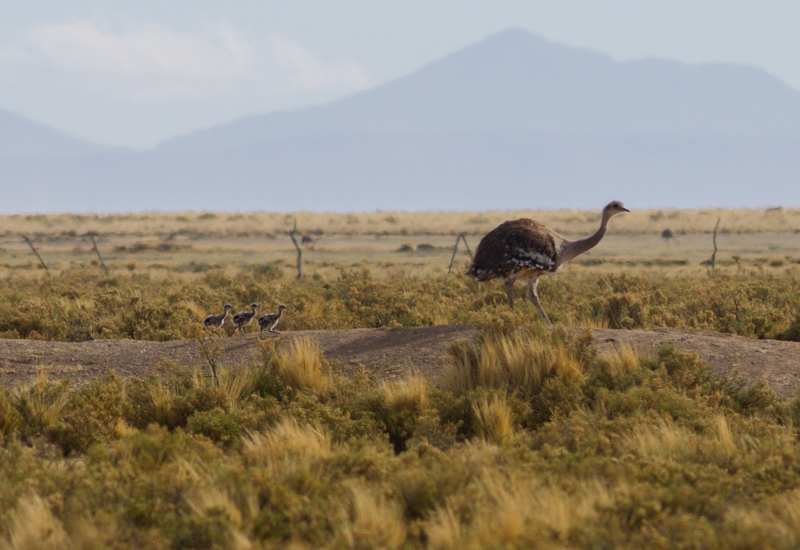
The Darwin's Rhea (Rhea pennata tarapacensis), also known as the Lesser Rhea, is a flightless bird endemic to the Andean highlands and the Patagonian steppes of South America. In the Atacama, this subspecies faces significant challenges due to habitat loss, poaching, and climate change. Tracking these magnificent birds requires patience, dedication, and an understanding of their behavior. Observing Rhea pennata tarapacensis behavior in its natural Atacama Desert habitat presents unique opportunities for zoologists and ecologists to document and understand species-specific survival strategies in extreme arid environments.
Optimal Times and Locations for Rhea Sightings
The best time to observe Darwin's Rhea in the Atacama is during their breeding season, which typically occurs between October and January. During this period, the birds are more active and visible as they engage in courtship displays and nesting activities.
The optimal locations for sightings are the high-altitude plains, also known as the Altiplano, particularly in areas with sparse vegetation and access to water sources. Specific areas known for Rhea populations include:
- Reserva Nacional Los Flamencos: Certain sectors of this reserve, especially around the lagoons, provide good opportunities for sightings.
- Salar de Atacama: While primarily known for its salt flats, the surrounding grasslands support Rhea populations.
- Areas near Toconao and Peine: These smaller settlements offer access to less-visited areas where Rheas may be found.
Challenges and Rewards of Rhea Tracking
Tracking Darwin's Rhea presents several challenges:
- Camouflage: Their plumage provides excellent camouflage against the arid landscape.
- Vast Distances: The Rheas roam across large territories, requiring extensive searching.
- High Altitude: The Altiplano presents physiological challenges for observers, including altitude sickness.
- Remoteness: Access to prime Rhea habitats often requires 4x4 vehicles and self-sufficiency.
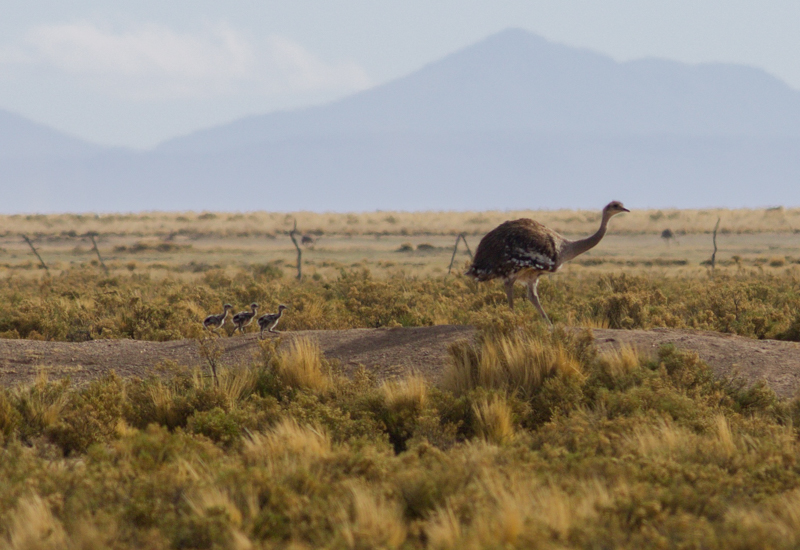
Despite these challenges, the rewards of observing and documenting Darwin's Rhea in the Atacama are immense. You'll witness firsthand the behavioral adaptations that allow these birds to thrive in such a harsh environment, contributing valuable data to their conservation. Using the best binoculars for Darwin's Rhea observation can significantly enhance this experience.
Atacama's Flowering Plants: Masters of CAM Photosynthesis
While the Atacama may appear devoid of life, a surprising diversity of flowering plants has adapted to survive in this arid environment. Many of these plants utilize Crassulacean Acid Metabolism (CAM), a specialized photosynthetic pathway that allows them to conserve water. Atacama Desert CAM Plant Adaptations are crucial for plant life.
Understanding CAM Photosynthesis
CAM photosynthesis is an adaptation that allows plants to open their stomata (pores) at night, when temperatures are cooler and humidity is higher, minimizing water loss through transpiration. During the night, they take in carbon dioxide (CO2) and store it as an acid. During the day, when the stomata are closed to conserve water, the plants use the stored CO2 to carry out photosynthesis.
This process differs from the more common C3 photosynthesis, where plants open their stomata during the day to take in CO2, and C4 photosynthesis, which involves a spatial separation of carbon fixation and the Calvin cycle. CAM photosynthesis offers a crucial advantage in arid environments by significantly reducing water loss. Water conservation strategies in arid environments are key for plant survival.
Identifying CAM Plants in the Field
Identifying CAM plants in the Atacama can be challenging, but several characteristics can help:
- Succulence: Many CAM plants are succulents, meaning they have fleshy leaves or stems that store water. Examples include cacti and some species of Tillandsia. Succulence is often linked to CAM plant adaptation.
- Thick, Waxy Cuticles: These plants often have a thick, waxy coating on their leaves to reduce water loss.
- Nocturnal Stomata Opening: While difficult to observe directly in the field, this is the defining characteristic of CAM plants. Scientists often measure this using gas exchange equipment.
- Acidic Taste: The stored acids can sometimes impart a slightly acidic taste to the leaves, although this is not a reliable identification method and should not be attempted without expert guidance.
Common CAM plants in the Atacama include various species of cacti, bromeliads (like Tillandsia), and some members of the Portulacaceae family. Documenting plant adaptations to Atacama Desert salinity is another crucial aspect of understanding the region's botany.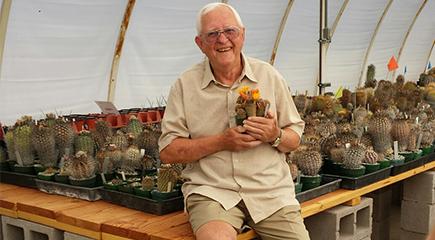
Join VistaLocation's Citizen Science Expeditions: Contribute to Atacama Research
VistaLocation.com offers a unique opportunity for amateur and semi-professional botanists and zoologists to participate in ongoing research on desert ecology and adaptation in the Atacama. Our citizen science expeditions provide hands-on experience, allowing you to contribute valuable data while exploring this extraordinary landscape. Atacama Desert Citizen Science Projects welcome participants of all skill levels.
Rhea Tracking Project
Participate in our Rhea tracking project, where you'll work alongside experienced researchers to:
- Monitor Rhea populations: Conduct surveys to estimate population size and distribution.
- Observe Rhea behavior: Document feeding habits, social interactions, and breeding behavior. Documenting Darwin's Rhea diet and behavior in extreme arid climates helps conservation efforts.
- Collect environmental data: Gather information on habitat characteristics, such as vegetation cover and water availability.
Plant Phenology Project
Contribute to our plant phenology project, where you'll:
- Monitor plant growth and development: Track the timing of leaf emergence, flowering, and fruiting in key plant species.
- Assess the impact of climate change: Analyze how changes in temperature and precipitation affect plant phenology.
These projects offer a unique opportunity to learn about desert ecology, develop your research skills, and contribute to the conservation of the Atacama's unique biodiversity. You'll learn how to identify Atacama Desert CAM plants and other interesting desert flora.
Opportunities for Atacama Desert Field Research
VistaLocation offers various field research opportunities to cater to different interests and expertise levels. You can choose from:
- Short-term expeditions: Ideal for those with limited time, these expeditions focus on specific research questions and provide a quick immersion into desert ecology.
- Long-term research projects: These projects offer a more in-depth experience, allowing you to contribute to ongoing research efforts over several months or years.
- Customized research projects: We can work with you to design a research project that aligns with your specific interests and expertise.
To learn more about our citizen science expeditions and research opportunities, visit our website or contact us directly. Volunteer Atacama Desert wildlife research projects are always looking for dedicated individuals. Don't miss this chance to explore the wonders of the Atacama and contribute to our understanding of desert adaptation.
Conclusion: Embrace the Atacama's Call
The Atacama Desert presents a unique and compelling destination for botanists and zoologists eager to explore the boundaries of life's adaptability. Whether you're captivated by the challenge of tracking the elusive Darwin's Rhea or fascinated by the ingenious strategies of CAM photosynthesis in flowering plants, the Atacama promises an unforgettable experience. By participating in VistaLocation.com's citizen science expeditions, you can directly contribute to the ongoing research efforts that are vital for understanding and conserving this extraordinary ecosystem. Join us on an Atacama Desert wildlife expedition and witness the resilience of life in the driest desert on Earth. Contact us today to learn more and book your adventure!