Unveiling Aquatic Wonders: Relaxing Beaches with...
Imagine strolling along a beach at night, the sand glowing beneath your feet with an ethereal light. This isn't science fiction; it's the magic of bioluminescence, a natural phenomenon where living organisms produce light. But beyond the captivating glow, these beaches often boast unique and thriving aquatic ecosystems. At Vistalocation.com, we're committed to showcasing the world's most stunning and ecologically significant destinations. In this post, we'll unveil three extraordinary beaches where you can witness this incredible spectacle while learning about the delicate balance of life they support and how to practice sustainable bioluminescence tourism. Get ready to explore relaxing beaches with a bioluminescent beach tours twist!
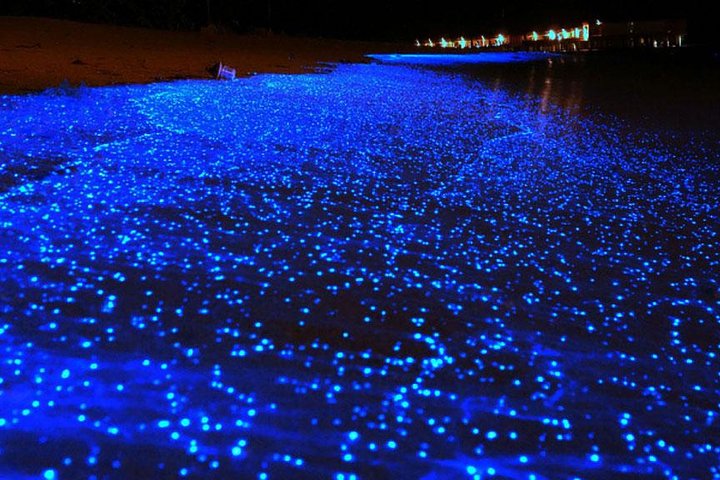
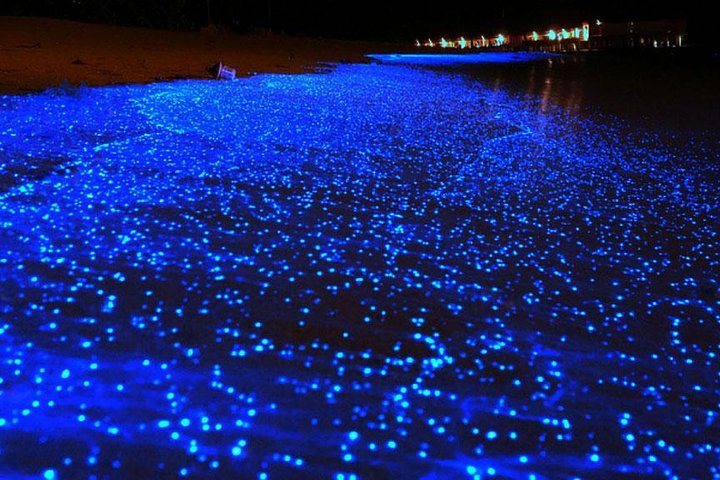
Bioluminescent plankton illuminating the shoreline of Vaadhoo Island, Maldives. This image represents the magical experience visitors can have while observing this unique natural phenomenon.
Vaadhoo (Mudhdhoo) Island, Maldives: A Sea of Stars
Vaadhoo Island, also known as Mudhdhoo Island, in the Maldives is famous for its "Sea of Stars," a breathtaking display of bioluminescent plankton. This mesmerizing glow is produced by microscopic marine organisms called dinoflagellates.
The Science Behind the Sparkle: Dinoflagellate Bioluminescence Explanation
Dinoflagellates are single-celled organisms that emit light through a chemical reaction. This reaction involves a molecule called luciferin and an enzyme called luciferase. When luciferin reacts with oxygen, catalyzed by luciferase, it produces light. This natural light emission serves various purposes, including attracting mates and deterring predators. The specific type of dinoflagellates responsible for the "Sea of Stars" phenomenon often belong to the species Lingulodinium polyedra.
Experiencing the Magic: Bioluminescent Beach Tours
To witness this aquatic wonder responsibly, consider joining guided tours that prioritize the plankton's well-being. Here are a few reputable operators:
- Maldives Bioluminescence Tours: Offers nighttime kayaking and snorkeling experiences.
- Standard Kayak Tour: $75 per person.
- Private Kayak Tour: $150 per person.
- Sea of Stars Adventures: Provides guided paddleboarding tours with expert commentary.
- Group Paddleboard Tour: $80 per person.
- Luxury Sunset & Bioluminescence Tour: $200 per person.
Responsible Travel Maldives: Protecting the Glow
When visiting Vaadhoo Island, it’s crucial to minimize your impact on the fragile ecosystem. Here's how to practice responsible travel Maldives:
- Avoid excessive splashing, which can disturb the plankton.
- Refrain from using bright lights, as they can disrupt the plankton's natural behavior.
- Choose tour operators committed to sustainable practices.
- Do not use soaps or chemicals in the water.
Best Time to See Bioluminescence Beaches
The best time to witness the bioluminescence on Vaadhoo Island is typically from June to October, during the southwest monsoon season. During this period, plankton blooms are more frequent, resulting in a more vibrant display.
Puerto Mosquito, Vieques, Puerto Rico: A Mangrove's Luminous Secret
Puerto Mosquito, located on the island of Vieques, Puerto Rico, is renowned as one of the brightest bioluminescent bays in the world. The bay's brilliance isn't just a spectacle; it's intrinsically linked to its unique mangrove ecosystem.
The Mangrove Connection: A Haven for Bioluminescence
Unlike Vaadhoo Island, the bioluminescence in Puerto Mosquito is largely sustained by the intricate network of mangrove roots lining the bay. These roots provide shelter and nutrients for the dinoflagellates, specifically Pyrodinium bahamense, which are responsible for the bay's ethereal glow. The mangroves also filter the water, maintaining the ideal conditions for these microorganisms to thrive. The mangrove ecosystem allows the Pyrodinium bahamense dinoflagellates to flourish to an extent that creates a beautiful bioluminescent bay.
Exploring the Bay: Puerto Mosquito Kayak Tours
Experience the magic of Puerto Mosquito with eco-conscious glass-bottom kayaking tours:
- Vieques Adventures: Offers guided tours with marine biologist commentary.
- Eco Kayak Tour: $65 per person.
- Sunset & Bioluminescence Combo Tour: $95 per person.
- Melaya's Tours: Provides smaller group tours focused on conservation.
- Bioluminescent Bay Tour: $70 per person.
- Private Bioluminescent Bay Tour: $180 per person.
Conservation Efforts: Protecting the Luminous Ecosystem
Several initiatives are in place to protect Puerto Mosquito from light pollution and other threats:
- Restrictions on motorboats: Motorboats are prohibited to prevent disturbance to the dinoflagellates and their habitat.
- Minimizing artificial light sources: Efforts are ongoing to reduce artificial light from nearby areas, as light pollution can inhibit bioluminescence.
- Vieques Conservation and Historical Trust: This organization plays a vital role in monitoring and protecting the bay's ecosystem. Vieques Conservation and Historical Trust
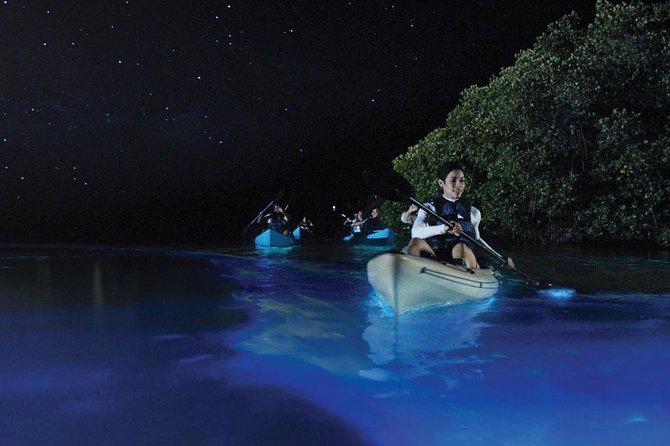
A transparent kayak gliding through Puerto Mosquito, Vieques, allowing tourists to directly observe the vibrant bioluminescence beneath. The kayaks are often glass bottomed so visitors can get a better view of the bay.
Shell Beach, Shark Bay, Australia: A World of Shells and Ancient Life
Shell Beach, located in Shark Bay, Western Australia, is a unique coastal landscape composed entirely of billions of tiny cockle shells. This beach is not only visually stunning but also home to a unique aquatic ecosystems, adding another layer of fascination to this destination.
A Shell-Shocking Landscape: The Fragum erugatum Phenomenon
The beach is formed by the shells of the Fragum erugatum cockle. The hypersaline environment of Shark Bay, due to high evaporation rates and limited freshwater inflow, creates conditions that favor the proliferation of this particular species. The high salinity restricts the presence of many other organisms, allowing the Fragum erugatum to thrive and accumulate over thousands of years.
Hamelin Pool: Window to Early Life
Nearby Hamelin Pool is home to some of the oldest living fossils on Earth: stromatolites. These layered sedimentary structures are formed by microbial communities and provide invaluable insight into early life on Earth. Connecting this to the unique conditions in Shark Bay, the hypersalinity also contributes to the survival of these stromatolites by limiting grazing by marine snails. Shark Bay stromatolites ecosystem provides valuable insights into early life on Earth.
Responsible Exploration: Birdwatching and Snorkeling
Enjoy Shell Beach responsibly by engaging in activities that minimize disturbance to the fragile ecosystem:
- Shallow snorkeling: Observe the shell structures from a respectful distance without disrupting the seabed.
- Birdwatching: Shark Bay is a haven for migratory shorebirds, including the Western Sandpiper, Red Knot, and Great Knot. Respect their habitat and avoid disturbing them.
Best Time to Visit
The best time to visit Shell Beach for birdwatching is during the migratory bird season, from September to April.
Leave No Trace: Protecting the Shell Beach Ecosystem
It's crucial to remember that Shell Beach's unique character depends on preserving its natural state. Avoid collecting shells from the beach, as this depletes the resource and disrupts the ecosystem.
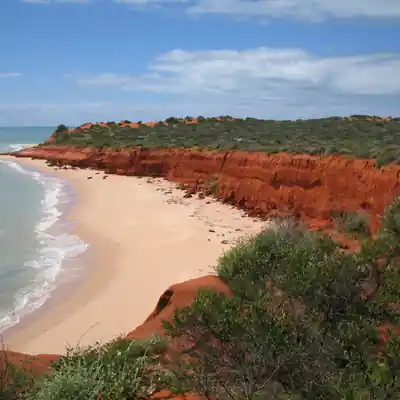
Shell Beach in Shark Bay, Australia, showcasing its distinctive terrain composed entirely of billions of white cockle shells. The image captures the vast scale and unique composition of this natural wonder.
Frequently Asked Questions (FAQ)
What causes bioluminescence in beaches?
Bioluminescence is caused by a chemical reaction in living organisms, most commonly dinoflagellates, involving luciferin and luciferase.
Where can I see bioluminescent beaches in the Maldives?
Vaadhoo (Mudhdhoo) Island is the most famous location, but other islands may also experience the phenomenon.
How can I responsibly visit a bioluminescent bay?
- Choose eco-conscious tour operators.
- Avoid excessive splashing and bright lights.
- Do not use soaps or chemicals in the water.
What are stromatolites and why are they important?
Stromatolites are layered sedimentary structures formed by microbial communities, providing insights into early life on Earth.
Is it safe to swim in bioluminescent water?
Generally, yes, but it's best to avoid swallowing the water and to check with local authorities for any specific warnings.
When is the best time to see bioluminescence on Vaadhoo Island?
June to October, during the southwest monsoon season.
What kind of wildlife lives in Shark Bay?
Migratory shorebirds, dugongs, dolphins, sharks, and various fish species.
How are stromatolites in Shark Bay formed?
Microbial communities trap and bind sediment, forming layered structures over time.
What are the threats to bioluminescent ecosystems?
Light pollution, pollution, climate change, and unsustainable tourism practices.
Are there sustainable tours available to Puerto Mosquito?
Yes, Vieques Adventures and Melaya's Tours are examples of companies that offer sustainable tours.
Conclusion: Embrace the Wonders Responsibly
From the shimmering shores of Vaadhoo Island to the mangrove-fringed bay of Puerto Mosquito and the shell-laden beaches of Shark Bay, the world is full of aquatic wonders waiting to be explored. By choosing bioluminescent beach tours committed to sustainability and respecting the delicate ecosystems we visit, we can ensure that these natural treasures remain for generations to come. Plan your trip with Vistalocation.com and embark on an unforgettable journey to witness the magic of bioluminescence and the beauty of our planet’s diverse aquatic life. Book your eco-friendly adventure today!