Unleash Your Inner Explorer: Three Unforgettable...
Are you tired of the same old tourist traps? Do you crave adventure that goes beyond sightseeing, experiences that leave you with new skills and a deeper connection to the ocean? Vistalocation.com is your gateway to immersive sea adventures, offering skill-building ocean experiences that will ignite your inner explorer and contribute to sustainable adventure travel. Forget passively watching; it’s time to actively participate in unique expeditions that transform both you and the marine environment. Get ready to dive into conservation, explore uncharted depths, and navigate by the stars on these unforgettable journeys.
Dive into Conservation: Lionfish Freediving in Cozumel, Mexico
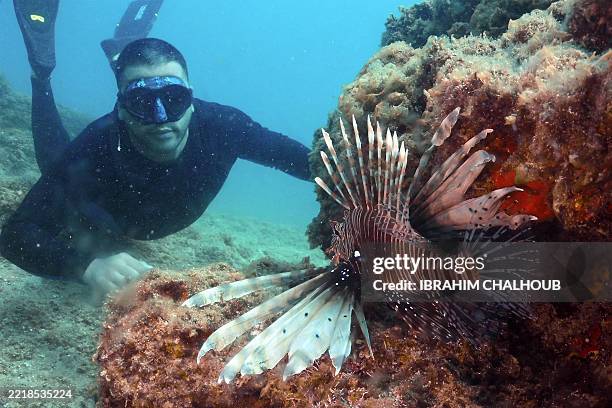
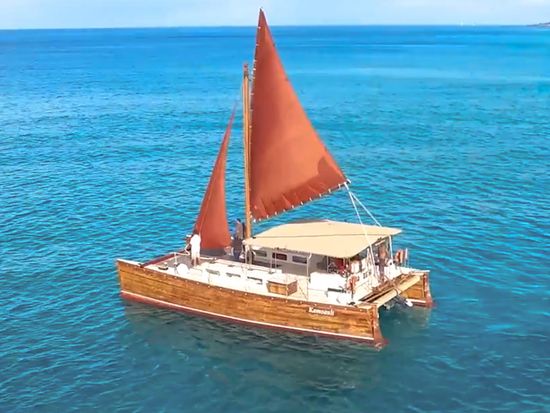
The turquoise waters of Cozumel, Mexico, offer more than just stunning coral reefs – they present a unique opportunity to become an active participant in marine conservation. The invasive lionfish, with its venomous spines and voracious appetite, poses a significant threat to the delicate balance of the Mesoamerican Reef. Through freediving lionfish eradication in Cozumel, you can directly contribute to protecting this vital ecosystem.
Before you can participate in these guided dives, you’ll need to acquire the necessary skills and certifications. PADI Freediver or SSI Freediving Level 1 certifications are excellent starting points. These courses teach you essential freediving techniques, including proper breathing, equalization, and safety procedures. You'll learn how to comfortably and safely descend to depths where lionfish thrive. These certifications are the first step to taking part in the conservation efforts to eradicate this invasive species.
During the dives, experienced guides will teach you how to identify lionfish, differentiate them from native species, and employ safe spearfishing practices. It's a thrilling and rewarding experience, knowing that each lionfish you remove helps to restore the reef's health. It is important to note that freediving spear fishing, while helping the local environment, has inherent risks, so working with a trained guide and possessing proper certification is critical to a safe diving experience.
Uncharted Depths: Deep-Sea Coral Research Expedition in the Azores, Portugal
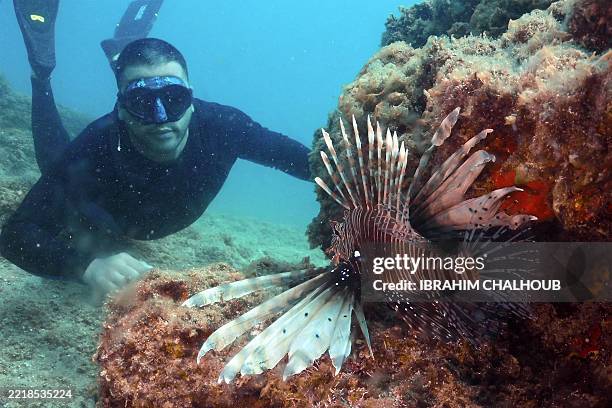
Venture into the mysterious world of deep-sea coral reefs in the Azores, Portugal, a volcanic archipelago teeming with unique marine life. These fragile ecosystems, hidden far below the surface, are vital to the health of the ocean, yet they face increasing threats from climate change, pollution, and destructive fishing practices. Coral reef research volunteer opportunities in the Azores allow you to become a citizen scientist and contribute to their preservation.
These expeditions, often conducted aboard research vessels, offer a hands-on experience in marine science. You'll work alongside researchers, documenting and studying these fascinating deep-sea environments. A key aspect of this experience is learning to operate an ROV (Remotely Operated Vehicle). You'll get the chance to pilot these underwater robots, capturing stunning footage of deep-sea coral and its inhabitants. In addition, you'll assist with data collection, species identification, and learn basic marine biology principles.
Why is deep sea coral research important for coral reefs? It is important because these reefs serve as habitat for many different species of marine life and are key to maintaining the health and diversity of deep sea environments.
For those interested in participating, research expeditions are offered through institutions like the University of the Azores and similar marine research facilities. Research these opportunities and find one that fits your needs, so you can gain a better understanding of the ocean’s depths. This is more than just a trip; it's an opportunity to make a tangible contribution to the scientific understanding and conservation of our oceans.
Navigating by the Stars: Polynesian Wayfinding in Hawaii
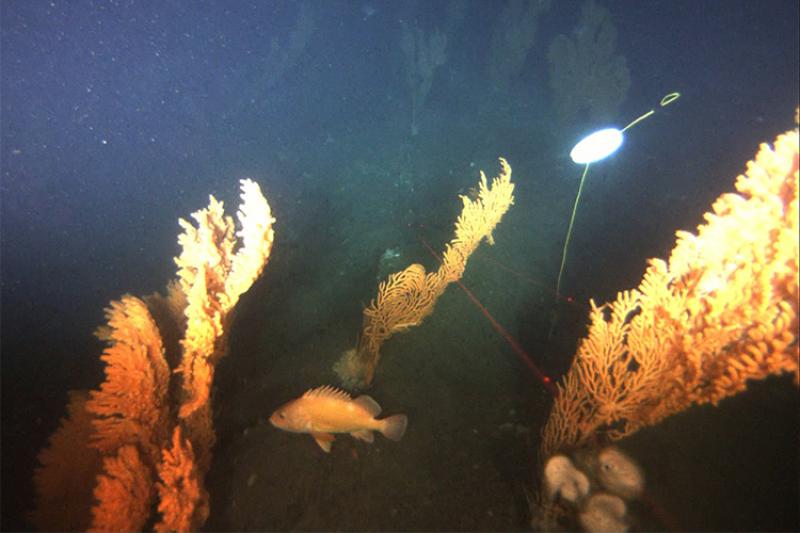
Embark on a transformative journey back in time and connect with the ancient art of Polynesian wayfinding in Hawaii. For centuries, Polynesian voyagers navigated vast stretches of the Pacific Ocean using only their knowledge of the stars, waves, and the natural world. Now, you have the opportunity to learn these traditional techniques aboard a voyaging canoe, immersing yourself in Hawaiian culture and history. Where can I learn Polynesian wayfinding in Hawaii? Look no further than the Polynesian Voyaging Society.
Celestial navigation is at the heart of this experience. You'll learn to identify constellations, understand their movements across the night sky, and use them to determine your position. But wayfinding is more than just stargazing; it's about developing a deep understanding of the ocean environment. You’ll learn to read wave patterns, interpret bird flight paths, and use traditional navigation instruments like the star compass.
The skills acquired during this experience are invaluable. Not only will you gain a profound appreciation for the ingenuity and resilience of Polynesian navigators, but you'll also develop a deeper connection to the natural world and a heightened sense of self-reliance. This isn't merely a vacation; it's a journey of self-discovery and cultural immersion.
BONUS: Antarctica Expedition Cruise with Hurtigruten
Extend your exploration to the icy realm of Antarctica with a small ship cruise offered by Hurtigruten Expeditions. These aren't your typical cruises; they're immersive journeys designed to deepen your understanding of the Antarctic ecosystem. Book Antarctica Expedition cruise with Hurtigruten discounts to experience the frozen continent with world-class naturalists and scientists. What kind of marine life will I see on a Hurtigruten Antarctica cruise? You can expect to see whales, seals, penguins, and various seabirds.
Hurtigruten offers itineraries specifically focused on science and learning, with onboard lectures, guided landings, and opportunities to participate in citizen science projects. You might assist with penguin counts, collect plankton samples, or contribute to climate change research. This is your chance to witness the raw beauty of Antarctica and contribute to its ongoing preservation.
Gear Up for Adventure
To make the most of these unforgettable sea adventures, it’s essential to have the right gear:
- Freediving: A properly fitted freediving wetsuit (3mm-5mm) is crucial for warmth and comfort. You'll also need a low-volume mask for clear underwater vision, long fins for efficient propulsion, and a dive computer to track your depth and time.
- Research Expedition: Waterproof notebooks are essential for recording observations. A reliable camera with underwater housing allows you to capture the beauty of the deep-sea environment. Polarized sunglasses will protect your eyes from the sun's glare on the water.
- Polynesian Wayfinding: A good pair of binoculars will help you spot distant landmarks and birdlife. A star chart will assist you in identifying constellations.
Conclusion
These three unforgettable sea adventures offer more than just a vacation; they provide opportunities for personal growth, skill development, and active contribution to ocean conservation. Whether you're diving for lionfish in Cozumel, researching deep-sea corals in the Azores, or navigating by the stars in Hawaii, you'll return home with new skills, a deeper understanding of the ocean, and a sense of accomplishment. Embrace the call of the sea, and embark on a journey that will transform you into an explorer, a conservationist, and a steward of our planet. Find Your Perfect Voyage at Vistalocation.com!