Unique Desert Landscape Experiences: A Sensory &...
The desert, often perceived as barren and lifeless, is a realm of subtle beauty and profound sensory experiences. But these fragile ecosystems are increasingly threatened by unsustainable tourism practices. At vistalocation.com, we believe in exploring the world responsibly, and the desert is no exception. This blog post will guide you through unique sensory encounters in desert landscapes, highlighting ways to minimize your ecological footprint and support local communities, ensuring that these breathtaking environments are preserved for generations to come. Dive in and discover the magic of sustainable desert tourism.
Tactile Textures: Feeling the Namib Desert
Imagine standing amidst the towering dunes of Sossusvlei in Namibia. The sun beats down, raising the surface temperature of the granite rocks to a scorching 70°C. Yet, beneath a flat rock, a surprising coolness lingers. Carefully lifting the rock, you feel the damp earth, a stark contrast to the arid air. Remember to return the rock precisely to its original position to minimize disturbance of the microclimate, a haven for tiny desert creatures. This simple act connects you to the delicate balance of life in this seemingly inhospitable environment.
Olfactory Landscape: The Scent of Rain in the Sonoran Desert
The Sonoran Desert in Arizona, a landscape dominated by cacti and seemingly endless horizons, transforms after a rare rainfall. The air becomes thick with the distinct scent of creosote bushes. This oily, medicinal aroma, released from the leaves when moistened, blends with the earthy fragrance of the wet soil, creating an unforgettable olfactory experience. To appreciate this unique scent responsibly, gently crush a single, fallen or heavily withered leaf to release its fragrance, avoiding any damage to the living plant. This mindful approach allows you to fully engage with the desert's aromatic landscape.
Visual Detail: Desert Varnish in Canyonlands National Park
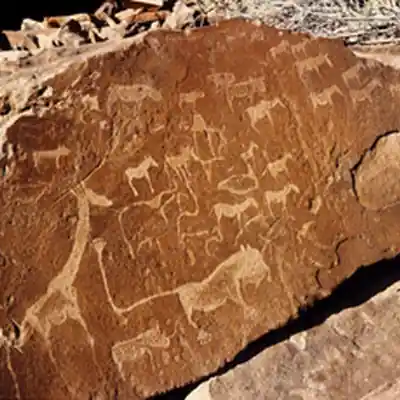
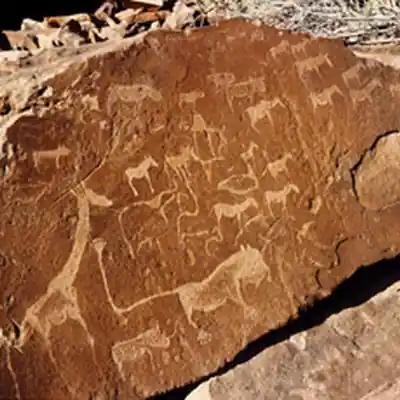
Canyonlands National Park in Utah presents a different kind of sensory experience – the intricate patterns of desert varnish. This dark, manganese- and iron-oxide coating adorns sandstone formations, creating natural "art" formed over millennia. The best time to witness this spectacle is during sunrise or sunset when side-lighting accentuates the textures and delicate formations. Capture these moments with your camera, focusing on the details and appreciating the slow, patient artistry of nature.
Minimizing Your Ecological Footprint: A Guide to Responsible Desert Travel
Exploring the desert responsibly means understanding the impact of your actions and taking steps to minimize your footprint. Sustainable desert tourism is not just a buzzword; it's a necessity.
The Fragility of Biotic Soil Crust
One of the most crucial aspects of desert conservation is protecting "biotic soil crust," a living layer of cyanobacteria, lichens, and mosses. These seemingly insignificant organisms are vital for soil stability and nutrient cycling. Even a single footstep can crush this crust, potentially impacting the ecosystem for decades. Be mindful of where you walk, and stick to established trails to preserve this delicate layer of life. Look for information boards at the national or regional park you are visiting.
Quantifiable Impact: Introducing the Desert Footprint Calculator
To help you understand your environmental impact, we've developed the hypothetical "Desert Footprint Calculator" app. This tool allows you to estimate your footprint based on your activities, from hiking to camping to off-roading. By tracking your choices, you can learn how to make more sustainable decisions.
| Sustainable Practice | Score Reduction |
|---|---|
| Staying on Established Trails | 20 Points |
| Using Refillable Water Bottles | 10 Points |
| Packing Out All Trash | 15 Points |
| Using Biodegradable Soap | 5 Points |
| Avoiding Off-Trail Vehicle Use | 30 Points |
Water Conservation: A Precious Resource
Water is a scarce resource in the desert, and conserving it is crucial. When washing, use only biodegradable soaps like Dr. Bronner's and do so at least 200 feet (60 meters) away from any water source. This prevents harmful contamination and protects the delicate desert ecosystem. Remember, every drop counts in responsible desert travel.
Supporting Local Communities: The Okahandja Weavers Cooperative
Ethical desert experiences extend beyond environmental considerations to encompass the well-being of local communities. In Namibia, the Okahandja Weavers Cooperative exemplifies this principle. This cooperative of local women creates hand-woven textiles using traditional techniques and natural dyes. By purchasing a woven wall hanging or rug directly from their online shop, Okahandja Weavers Cooperative, you're not just acquiring a beautiful souvenir but also empowering local craftswomen. Eighty percent of the purchase price goes directly to the weaver, providing them with a sustainable income and preserving their cultural heritage. We especially recommend "The Tsandi Design Rug" – a purchase that directly supports the weavers and their craft.
Viral Video Idea: "The Precise Art of Namib Sand-Baking" (Under 15 Seconds)
HOOK (0-3 seconds): Extreme close-up of a digital thermometer reading 200°C buried in Namib Desert sand. Suddenly, a weathered hand swiftly pulls the thermometer out, revealing its precise reading.
SCENE: Golden hour lighting. Focus on the contrast between the ultramodern thermometer and the traditional baking setup: a hole carefully dug into the sand, lined with hot coals covered by a thin layer of sand, then the dough carefully placed in the sand and covered. Use cinematic 4K with slow-motion close-ups of sand being carefully sifted.
TWIST (payoff): Cut to an elderly Namib woman with a mischievous grin, checking the perfectly baked bread by feel, confidently declaring, "Ready!" The bread is then shown in a dramatic, low-angle shot, steam rising in the desert air.
This video showcases the intersection of ancient traditions and modern technology, capturing the ingenuity and resilience of desert communities.
Conclusion: Embracing Sensory Experiences and Ecological Responsibility
The desert offers a wealth of unique sensory experiences, from the tactile textures of the Namib to the aromatic landscapes of the Sonoran. By embracing sustainable desert tourism practices, minimizing your ecological footprint, and supporting local communities, you can ensure that these remarkable environments are preserved for future generations. Download the hypothetical "Desert Footprint Calculator" app, choose biodegradable products, and support initiatives like the Okahandja Weavers Cooperative. Explore responsibly, and discover the magic of the desert. Book your ethical desert experiences at vistalocation.com today!