Unforgettable Oceanic Escapes: Beyond the Beach...
Tired of the same old beach vacation? The ocean holds a world of adventure beyond sunbathing and sandcastles. At vistalocation.com, we believe in exploring the depths – both literally and figuratively. That's why we've curated a list of five unique sea travel experiences that will not only leave you breathless but also foster a deeper appreciation for our planet's incredible marine ecosystems. Get ready for oceanic wildlife encounters that go beyond the ordinary, focusing on responsible marine tourism and inclusive snorkeling adventures.
Chasing the Northern Lights: A Photographer's Dream Cruise Through the Norwegian Fjords
Imagine gliding through the serene waters of the Norwegian fjords, surrounded by snow-capped mountains, and the dancing emerald and violet hues of the Aurora Borealis reflecting on the glassy surface. This isn't just a cruise; it's a Norwegian Fjord Photography Tour Aurora, a seven-day odyssey designed for capturing nature's most spectacular light show. Companies like Hurtigruten and Havila Voyages offer specialized photography cruises during the winter months, taking you to prime viewing locations along the Norwegian coast.
Photography Tips for the Aurora
Capturing the Aurora Borealis requires a little technical know-how. Here are some tips to help you get the perfect shot:
- Camera Settings: Use a high ISO (3200 or higher), a wide aperture (f/2.8 or wider), and a long exposure (between 5 and 20 seconds) to capture as much light as possible.
- Essential Gear: A sturdy tripod is non-negotiable for sharp, blur-free images. A wide-angle lens (14-24mm) will allow you to capture the vastness of the sky and the fjord landscapes.
- Composition Techniques: Experiment with incorporating foreground elements like mountains, trees, or even the ship itself to add depth and scale to your photos.
- Aurora Forecast: Download an app like "Aurora Forecast" to predict the activity levels and plan your shooting sessions accordingly.
- Protect Your Gear: The cold and moisture can be harsh on your equipment. Use a camera rain cover or plastic bag to protect it from the elements. Keep spare batteries warm in your pockets, as cold temperatures can drain them quickly.
Optimal Aurora Viewing Strategies
To maximize your chances of witnessing and photographing the Aurora, consider these strategies:
- Location, Location, Location: Seek out dark spots on the ship, away from artificial lights. The upper decks often offer unobstructed views.
- Stay Warm: Dress in layers, including thermal underwear, a fleece jacket, a waterproof outer layer, a hat, gloves, and warm socks. Hand and foot warmers can also be a lifesaver.
- Patience is Key: The Aurora can be unpredictable. Be prepared to wait patiently, sometimes for hours, for the lights to appear. Bring a book or listen to music to pass the time.
A breathtaking display of the Aurora Borealis illuminates the Norwegian fjords, a spectacular sight to capture on a photography cruise.
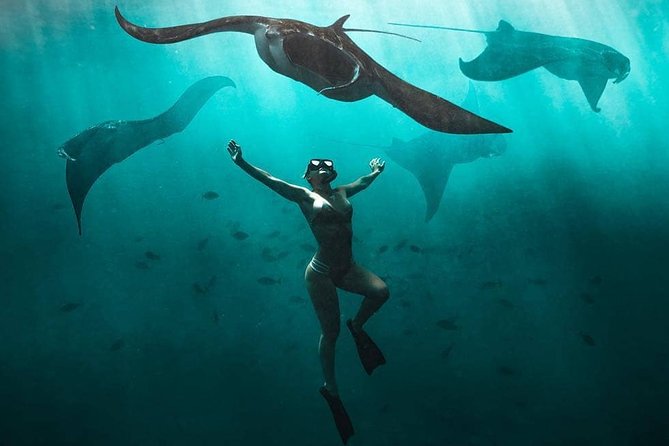
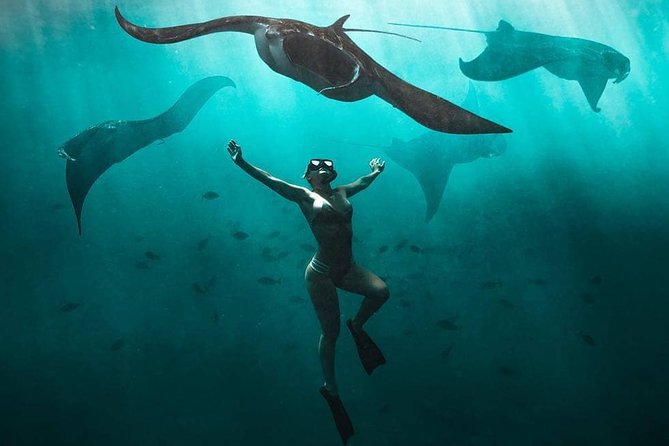
Glide with Giants: Manta Ray Encounters and Conservation in Nusa Penida
Nusa Penida, Bali, offers an extraordinary opportunity to swim alongside gentle giants: the manta rays. Manta Point and Manta Bay are renowned for their resident populations of these magnificent creatures. This is more than just a swim; it's a chance to witness these gentle giants in their natural habitat and contribute to manta ray conservation Bali.
Conservation Efforts and Responsible Tourism
The Manta Trust is a leading organization dedicated to studying and protecting manta rays worldwide, including in Nusa Penida. You can support their work by donating to The Manta Trust. Choosing eco-conscious tour operators is another crucial step in responsible tourism. Look for operators that prioritize the well-being of the manta rays and adhere to sustainable practices. These practices include limiting the number of swimmers, avoiding disturbance of the rays, and educating visitors about manta ray conservation. Support ethical and sustainable travel by asking tour operators about their conservation efforts before booking.
Ethical Interaction with Manta Rays
When swimming with manta rays, it's essential to follow these guidelines to ensure their safety and well-being:
- Keep a Safe Distance: Maintain a distance of at least 3-4 meters from the manta rays.
- Do Not Touch: Never touch the manta rays, as this can remove their protective mucus coating and make them vulnerable to infection.
- Avoid Flash Photography: Flash photography can startle and disorient the manta rays.
- Respect Their Space: Avoid chasing or harassing the manta rays. Let them approach you.
Face-to-Face with Hammerheads: An Educational Snorkeling Adventure in the Bahamas
From January to March, the waters off Bimini, Bahamas, become a gathering place for great hammerhead sharks during their migration season. This presents a unique opportunity for a Bahamas Hammerhead Shark Snorkeling adventure. However, this isn't just a thrill-seeking activity; it's an opportunity to learn about these fascinating creatures and contribute to their conservation.
Educational Programs and Responsible Encounters
Many snorkeling trips are led by marine biologists or conservationists who provide educational briefings on hammerhead shark behavior, ecology, and conservation. Stuart Cove's Dive Bahamas is one tour operator that offers these kinds of educational snorkeling trips. These briefings enhance the experience by providing valuable insights into the lives of these apex predators. Look for tour operators that emphasize conservation and responsible interaction.
Safety Guidelines for Snorkeling with Hammerheads
Safety is paramount when snorkeling with hammerhead sharks. Always follow these guidelines:
- Listen Carefully: Pay close attention to the instructions and guidance provided by the tour guides.
- Stay Within the Designated Area: Remain within the boundaries established by the guides to ensure your safety and minimize disturbance to the sharks.
- Avoid Sudden Movements: Refrain from making sudden or erratic movements, as this could startle the sharks.
- Maintain Eye Contact: Keep an eye on the sharks and be aware of their movements.
Glowing Waters: Kayaking Through a Bioluminescent Bay in Puerto Rico
Imagine paddling through waters that shimmer and glow with an ethereal light. This is the magic of Mosquito Bay in Vieques, Puerto Rico, one of the brightest bioluminescent bays in the world. A Bioluminescent Kayaking Puerto Rico Eco-Tour offers an unforgettable experience, allowing you to witness this natural phenomenon firsthand.
The Science Behind the Bioluminescence
The bioluminescence in Mosquito Bay is caused by millions of microorganisms called dinoflagellates. These tiny creatures emit light when disturbed, creating a mesmerizing glow in the water. Each paddle stroke and every movement of the kayak creates a ripple of light, illuminating the bay with an otherworldly radiance.
Best Time to Visit and Tour Operator Recommendations
The best time to visit Mosquito Bay is during the new moon, when the skies are darkest and the bioluminescence is most vibrant. Several tour operators offer kayaking tours of the bay, including Jak Water Sports and Abe's Snorkeling and Bio Bay Tours. Choose a tour operator that is committed to preserving the delicate ecosystem of the bay and follows sustainable practices.
Accessible Adventures: Autism-Friendly Snorkeling in the Florida Keys
Ocean adventures should be accessible to everyone, regardless of their abilities or challenges. The Florida Keys are leading the way in inclusive snorkeling adventures, offering programs designed to accommodate individuals with autism spectrum disorder. These autism friendly snorkeling Florida Keys programs create a supportive and sensory-friendly environment for individuals with autism to experience the wonders of the underwater world.
Autism-Friendly Features and Accommodations
These programs often feature smaller group sizes, pre-trip briefings with visual aids to reduce anxiety, quieter locations with less sensory overload, and trained staff who understand autism sensitivities. While a specific, widely recognized dedicated program requires further research, imagine a hypothetical "Ocean Harmony" program in the Florida Keys. This program would incorporate the above features, and offer certified dive instructors trained in assisting individuals with autism.
Preparing for the Trip
To ensure a comfortable and enjoyable experience, consider these tips for preparing for an autism-friendly snorkeling trip:
- Pack Sensory Supports: Bring noise-canceling headphones, weighted blankets, and familiar snacks to help manage sensory sensitivities.
- Communicate with the Tour Operator: Inform the tour operator about any specific needs or concerns in advance.
- Practice Social Stories: Use social stories to prepare the individual for the snorkeling experience, outlining what to expect and how to respond in different situations.
- Review Visual Aids: Use visual aids, such as pictures or videos, to familiarize the individual with the snorkeling equipment and the marine environment.
Ocean adventures offer incredible opportunities for exploration, discovery, and connection with nature. Remember to practice responsible photography by avoiding flash photography and respecting wildlife. Support conservation organizations like the Manta Trust and choose eco-conscious tour operators. By traveling responsibly, we can help protect these incredible marine ecosystems for future generations. Are you ready to embark on your own unforgettable oceanic escape?