Unearthing the Soul of Oaxaca: A Culinary Journe...
Oaxaca, Mexico, is more than just a destination; it's an experience. It's a vibrant tapestry woven with indigenous traditions, artistic expression, and, most profoundly, its cuisine. More than sustenance, food in Oaxaca is a celebration of culture, history, and family. From the complex depths of mole negro to the satisfying crunch of tlayudas and the surprising delight of chapulines, every dish tells a story. Join us as we delve into the heart of Oaxacan gastronomy, exploring these iconic flavors through the lens of the family-run comedores that keep these traditions alive, offering an authentic Oaxacan Food experience.
Mole Negro: A Symphony of Flavors Generations in the Making
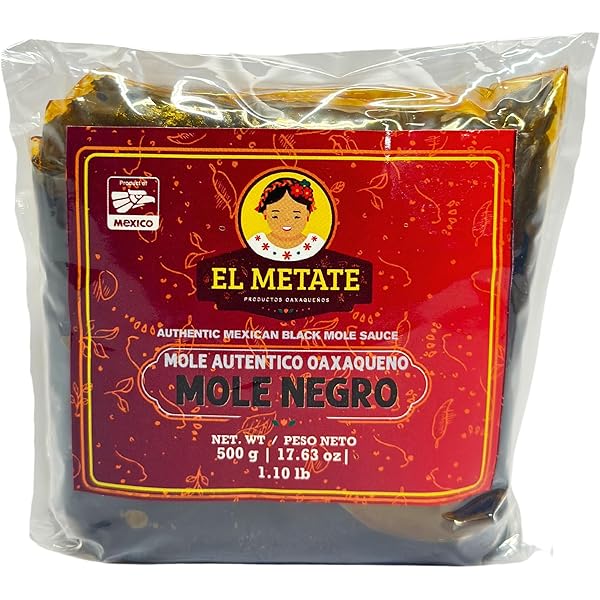
Mole negro is arguably the most complex and revered of Oaxaca’s seven moles. This isn't just a sauce; it’s a labor of love, a testament to the patience and dedication of Oaxacan cooks. The intense, dark color comes from a combination of chilies, spices, chocolate, and sometimes even fruit. The ingredients, often numbering over thirty, are carefully toasted, ground, and simmered for hours, creating a symphony of flavors that is both sweet and savory, smoky and rich. Mole Negro ingredients require a lot of skill to prepare.
Comedor Doña Juana: A Legacy of Black Gold
Nestled in the heart of Oaxaca City, Comedor Doña Juana is a family-run establishment that has been serving its famous mole negro for over three generations. The recipe, passed down from Doña Juana herself, remains a closely guarded secret, but the process is open for all to witness. What makes their mole stand out is their traditional cooking methods. Every morning, the family gathers to toast the chiles over an open fire, filling the air with a smoky aroma. The ingredients are then meticulously ground on a metate, a traditional grinding stone, by Doña Juana’s granddaughter, Maria. This painstaking process, while time-consuming, is essential to achieving the perfect texture and flavor.
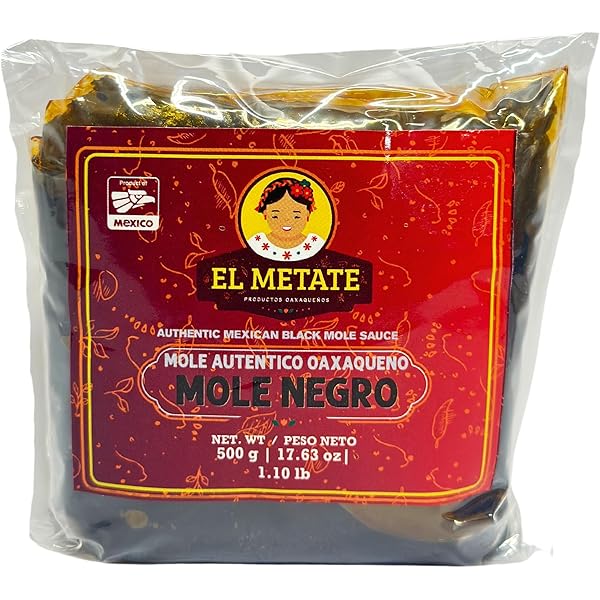
"The metate is the heart of our mole," Maria explains. "It’s not just about grinding; it’s about connecting with our ancestors and preserving our traditions."
The mole negro at Comedor Doña Juana is served over tender chicken or turkey, accompanied by warm tortillas and a side of rice. Eating this rich and complex dish is not just a meal; it’s an experience, a journey into the soul of Oaxaca.
Viral Video: The Soul of Mole Negro
[Embed Viral Video Here]
This short video captures the essence of mole negro preparation: the initial dramatic toss of chiles followed by the meticulous grinding process on the metate. The video emphasizes the labor-intensive, traditional preparation of mole negro.
The History of Mole Negro
The history of mole negro is interwoven with the history of Oaxaca itself. Its origins can be traced back to pre-Hispanic times, where indigenous communities created complex sauces using locally sourced ingredients. With the arrival of the Spanish, new ingredients such as chocolate, nuts, and spices were introduced, further enriching the flavor profile of mole. Today, mole negro remains a symbol of Oaxacan identity, a culinary masterpiece that embodies the region’s rich history and cultural heritage. Mole negro recipe preparation remains closely guarded by families.
Tlayudas: The Oaxacan Pizza
Moving from the rich depths of mole, we encounter the tlayuda, often described as the Oaxacan pizza. This giant, crispy tortilla, typically the size of a large pizza, is a blank canvas for a variety of toppings. Traditionally, it's spread with asiento (unrefined pork lard), refried beans, quesillo (Oaxacan string cheese), lettuce or cabbage, avocado, and salsa. You can also add your choice of meat, such as tasajo (thinly sliced grilled beef), chorizo, or cecina (dried pork). Tlayudas variations across Oaxaca are a testament to the creativity of Oaxacan cooks.
Tlayudas El Negro: A Family Affair
Located in the bustling Mercado 20 de Noviembre, Tlayudas El Negro is a family-run stall that has been serving its famous tlayudas for over 50 years. Don Miguel, the patriarch of the family, learned the art of making tlayudas from his mother, and he has since passed down the tradition to his children and grandchildren. What sets Tlayudas El Negro apart is their dedication to using only the freshest, locally sourced ingredients.
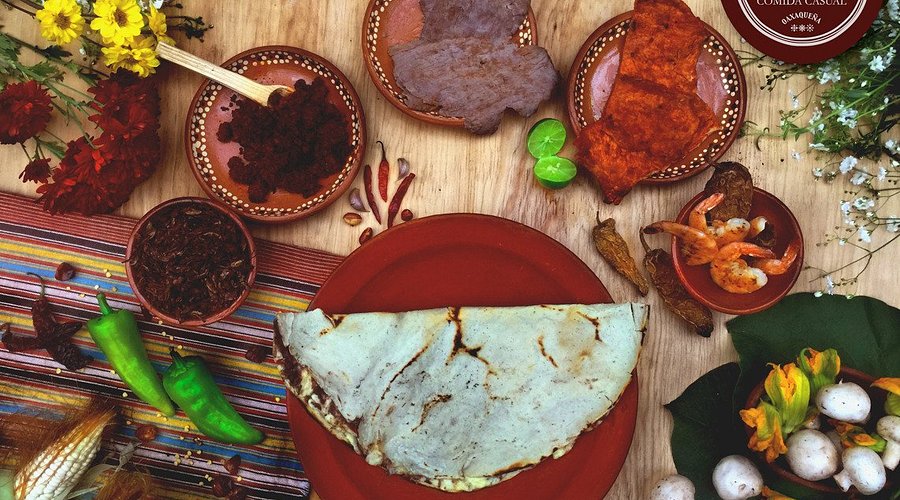
"We get our tortillas fresh every morning from a local woman who still makes them by hand," Don Miguel explains. "It makes all the difference in the taste." The tortillas are toasted over a charcoal grill until they are perfectly crispy, then topped with the family’s secret blend of ingredients.
The tlayudas at El Negro are a true Oaxacan street food experience. The combination of crispy tortilla, savory toppings, and smoky flavor is simply irresistible. Best tlayudas family comedor Oaxaca Centro is Tlayudas El Negro.
The Corn Connection
The tlayuda is more than just a tortilla; it's a symbol of Oaxaca’s deep connection to corn. Corn is the foundation of Oaxacan cuisine, and the process of nixtamalization, by which corn is treated with an alkaline solution, is essential to making tlayudas and other staples. This ancient technique not only improves the nutritional value of corn but also enhances its flavor and texture.
Chapulines: A Crunchy Delicacy
For the adventurous palate, Oaxaca offers chapulines, toasted grasshoppers seasoned with chili, lime, and salt. While the idea of eating insects may seem daunting to some, chapulines are a beloved snack in Oaxaca, dating back to pre-Hispanic times. They are a good source of protein and offer a unique, crunchy texture and savory flavor.
Restaurante Guelaguetza: Chapulines with a Modern Twist
While many comedores serve chapulines, Restaurante Guelaguetza, known for showcasing Oaxacan culture, elevates them to a culinary art form. This family-run restaurant, founded by the Lopez family, has been serving traditional Oaxacan cuisine for over 25 years. The Lopez family sees their menu as a celebration of Zapotec culture. Their chapulines are sourced from local farmers and prepared with a special blend of spices that enhances their natural flavor.
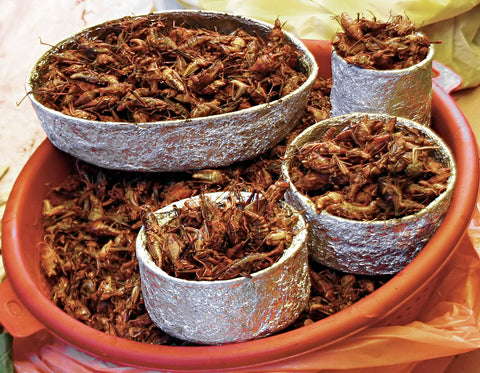
"We want to show people that chapulines are not just a novelty," says Reyna Lopez. "They are a delicious and sustainable source of protein that has been a part of our culture for centuries."
At Guelaguetza, chapulines are served in a variety of ways, from a simple snack to a sophisticated appetizer. They are often paired with mezcal, Oaxaca’s famous agave spirit, creating a perfect balance of flavors. Eating Chapulines Oaxaca is a cultural experience.
From Ancient Tradition to Modern Snack
Chapulines have been a part of the Oaxacan diet for centuries, dating back to pre-Hispanic times when they were a valuable source of protein. Today, they are enjoyed as a snack, a topping for tlayudas, or an ingredient in more complex dishes. Chapulines are harvested during the rainy season when they are most abundant. After harvesting, they are washed, toasted, and seasoned with chili, lime, and salt.
Supporting Authentic Oaxacan Cuisine
The comedores featured in this article are just a few examples of the many family-run establishments that keep Oaxacan culinary traditions alive. By supporting these local businesses, you are not only enjoying authentic Oaxacan food but also contributing to the preservation of the region’s cultural heritage. When visiting Oaxaca, it’s important to choose responsible and sustainable tourism practices.
Tips for Responsible Tourism:
- Eat at family-run comedores instead of tourist traps.
- Buy locally sourced ingredients from markets and farmers.
- Respect local traditions and customs.
- Minimize your environmental impact by reducing waste and using eco-friendly products.
- Learn a few basic Spanish phrases to communicate with locals.
By following these simple tips, you can help ensure that your visit to Oaxaca is a positive and sustainable experience for both you and the local community. Consider a Oaxaca culinary tour Comedores.
Conclusion: A Taste of Oaxaca
Oaxacan cuisine is a reflection of the region's rich history, diverse culture, and deep connection to the land. Mole negro, tlayudas, and chapulines are just a few of the many culinary treasures that Oaxaca has to offer. By exploring these iconic flavors through the lens of the family-run comedores that keep these traditions alive, you can gain a deeper appreciation for the soul of Oaxaca. So, come and experience the authentic flavors of Oaxaca, support the local communities, and create memories that will last a lifetime. Are you ready to embark on an unforgettable culinary adventure? Visit vistalocation.com to start planning your trip to Oaxaca today!