Unearthing the Soul of Atacama: A Cultural Immer...
Just back from the Atacama Desert, Chile, I’m still processing the stark beauty and profound cultural experiences that unfolded. This trip wasn't about conquering dunes or adrenaline rushes; it was about connecting with the soul of this ancient land, immersing myself in traditions that have thrived for centuries. From vibrant festivals to stargazing under skies untainted by light pollution, the Atacama offers a journey far beyond the typical tourist itinerary. This is my story, a guide to experiencing the authentic heart of the Atacama Desert.
La Tirana: A Dance Between Worlds
My journey began in the vibrant chaos of the "Festival de la Virgen del Carmen" in La Tirana. To say it's an experience is an understatement – it's a full sensory assault in the best possible way. La Tirana is a remote town usually quiet and peaceful, but every July it explodes with life, color and devotion. This is when hundreds of thousands pilgrims and dancers flood the place to pay homage to the Virgin.
The heart of the festival is the "Diablada," a mesmerizing dance of devils. The dancers, adorned in elaborate masks and costumes, enact a battle between good and evil. Each mask is a work of art, intricately carved and painted, with bulging eyes and menacing horns. The symbolism is deep: the masks represent the subjugated indigenous people who, under the guise of Catholic devotion, continued to honor their own deities. This blend of indigenous beliefs and Catholicism, known as syncretism, is palpable throughout the festival. This festival definitely falls under Atacama Desert Local Traditions.
How to plan a trip to La Tirana Festival? To truly immerse yourself, consider purchasing a costume from the local vendors near the church plaza. Costumes range from $50 USD for simpler designs to $200 USD for elaborate sets. From Iquique, Turbus offers frequent bus services to La Tirana, costing approximately $5-8 USD each way. Book in advance, especially during the festival, as seats fill up quickly. Remember that there are limited accommodation options in town, so consider staying in Iquique and commuting.
Stargazing in the Elqui Valley: Where Heaven Touches Earth
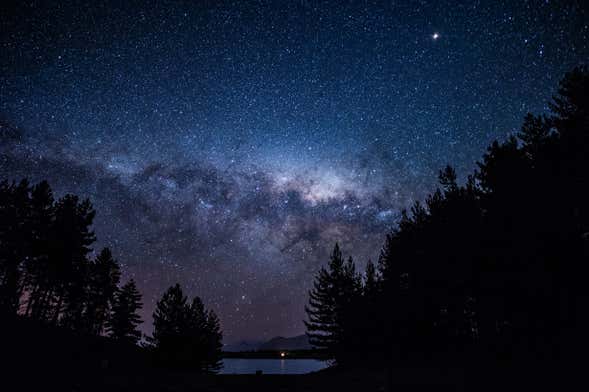
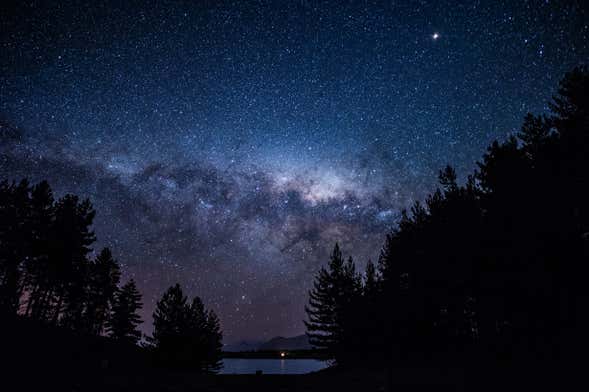
Leaving the frenetic energy of La Tirana, I sought solace in the dark skies of the Elqui Valley. Known for its exceptional astronomical conditions, the Elqui Valley is a haven for stargazers. The microclimate, characterized by clear skies and minimal light pollution, creates an unparalleled canvas for cosmic observation. Where can I see the clearest night sky in the Atacama Desert?
I booked a tour with Space Tour Elqui (SpaceTourElqui.cl), a local operator that offers personalized stargazing experiences. Under the guidance of an expert astronomer, I marveled at constellations like the Southern Cross and the Magellanic Clouds, celestial wonders only visible from the Southern Hemisphere. The sheer number of stars visible was breathtaking, a stark contrast to the light-polluted skies I'm used to. The tour guide explained the science behind the stars and planets, while also tying in ancient Andean cosmology, connecting the stars to the stories and beliefs of the indigenous people.
Sopaipillas Pasadas with Doña Elena: A Taste of Tradition
Back in San Pedro de Atacama, I sought out a different kind of experience: a taste of authentic Chilean cuisine. Near the San Pedro plaza, I discovered Doña Elena, a local woman who sells her famous "sopaipillas pasadas." What are the traditional foods to try in San Pedro de Atacama? These fried pumpkin pastries, drenched in a rich chancaca syrup, are a staple during festive occasions. They are a kind of fried pumpkin fritters, but the chancaca syrup makes them irresistible.
Doña Elena generously shared her recipe for the chancaca syrup: "Combine 1 cup of chancaca (unrefined sugar cane), ½ cup water, orange peel, and a cinnamon stick. Simmer until thickened. Drizzle generously over the sopaipillas." The cultural significance of sopaipillas pasadas lies in their association with celebrations and family gatherings. They are a symbol of warmth, comfort, and tradition, perfectly embodying the spirit of Atacama. It's impossible to understand the Atacama completely without tasting them.
El Tatio Geysers: A Symphony of Steam and Stone
An early morning excursion took me to El Tatio geysers, located high in the Andes Mountains. Arriving before sunrise, I witnessed a surreal spectacle as the first rays of light illuminated the plumes of steam erupting from the geysers. Is it worth visiting El Tatio geysers at sunrise? Absolutely. The contrast between the dark, cold desert and the steaming geysers is mesmerizing.
The geysers are caused by geothermal activity, where underground water is heated by magma and erupts through vents. The steam deposits various minerals, including borax and silica, creating otherworldly formations. Walking around the geyser field felt like stepping onto another planet, a testament to the raw power and beauty of nature. Make sure to take it slow, and stay hydrated.
Atacama Desert Photo Rally: Capturing the Light
Always looking for a creative challenge, I participated in a fictional "Atacama Desert Photo Rally," a small-scale event specifically for landscape photographers. The rally offered a unique opportunity to explore remote locations and capture the stunning scenery under the guidance of experienced photographers. This is a great way to experience Atacama Desert Cultural Immersion.
I had the chance to speak with Anita Rojas, a renowned nature photographer, about the challenges of shooting in the Atacama's extreme conditions. "In the Atacama, you need to protect your gear from the fine dust," she advised. "I recommend a weather-sealed camera body and lens, plus plenty of microfiber cloths." She uses a Sony a7R V with a 24-70mm lens and a variable ND filter to combat the intense sunlight. The temperature fluctuations, from freezing nights to scorching days, also pose a challenge, requiring careful planning and gear management.
Fiesta de San Pedro: Honoring the Patron Saint
My journey culminated in the "Fiesta de San Pedro" in San Pedro de Atacama. This annual celebration honors the town's patron saint with a vibrant procession. The statue of St. Peter is carried through the streets, accompanied by traditional folk music, particularly the "Cachimbo" dance. Locals celebrate with traditional food, dancing, and a palpable sense of community. It is hard not to join in the celebrations!
The "Cachimbo," a traditional courtship dance, is a highlight of the Fiesta de San Pedro, characterized by its rhythmic music and elegant movements. The dancers, often dressed in colorful traditional clothing, move in circular patterns, symbolizing the cyclical nature of life. The fiesta is an opportunity for locals to come together, share their traditions, and celebrate their cultural identity.
Planning Your Own Cultural Immersion in the Atacama
The Atacama Desert offers a tapestry of cultural and natural wonders waiting to be explored. It's a place where ancient traditions meet modern exploration, where the stars whisper stories of the past, and where the warmth of the local people shines brighter than the desert sun. By venturing beyond the typical tourist attractions and immersing yourself in the local culture, you can discover the true heart of this extraordinary destination. What is the best time of year to visit the Atacama Desert for cultural experiences? The shoulder seasons (spring and fall) offer pleasant weather and fewer crowds. Ready to unearth the soul of the Atacama for yourself? Learn more at Vistalocation.com!
Video Script: Atacama Desert - Cultural Immersion
Intro (0:00-0:30)
- (0:00-0:15) Time-lapse: Breathtaking time-lapse of the Milky Way and zodiacal light above the Atacama Desert.
- (0:15-0:30) Transition: Fade to a shot of an elderly Atacameño man in traditional clothing, playing a traditional 'Cachimbo' melody on a charango.
- (0:30) Voiceover (Warm, inviting tone): "The Atacama Desert. A place of otherworldly landscapes, but also of ancient traditions. Join me as we delve into the heart of Atacama's culture, beyond the dunes and adventure sports, to uncover the soul of this extraordinary land."
La Tirana Festival (0:30-1:00)
- (0:30-0:45) Footage: Fast-paced, vibrant footage of the Diablada dance at the Festival de la Virgen del Carmen. Show close-ups of the masks and costumes.
- (0:45-1:00) Voiceover: "La Tirana. Once a year, this quiet desert town explodes with color and devotion during the Festival de la Virgen del Carmen. The Diablada, a dance of devils, tells a story of syncretism, where indigenous beliefs intertwine with Catholic traditions. You can purchase the costumes from local vendors. Turbus provides low cost bussing."
Elqui Valley Stargazing (1:00-1:45)
- (1:00-1:15) Footage: Stunning time-lapse footage of the night sky in the Elqui Valley, highlighting the clarity and brilliance of the stars. Show the Southern Cross and Magellanic Clouds.
- (1:15-1:30) Voiceover: "The Elqui Valley. Here, the night sky is a canvas of cosmic wonders. I joined Space Tour Elqui to witness constellations visible only from the Southern Hemisphere. The Elqui Valley's microclimate is perfect for stargazing."
- (1:30-1:45) Footage: Quick cuts of people looking through telescopes, the astronomer pointing out constellations, and close-ups of celestial objects.
Sopaipillas Pasadas with Doña Elena (1:45-2:15)
- (1:45-2:00) Footage: Close-up shots of Doña Elena preparing sopaipillas pasadas. Show the frying process and the pouring of the chancaca syrup.
- (2:00-2:15) Voiceover: "Near San Pedro's plaza, I discovered Doña Elena and her mouthwatering sopaipillas pasadas. It's so simple, yet so delicious and very representative of the region's identity."
El Tatio Geysers (2:15-2:45)
- (2:15-2:30) Footage: Dramatic footage of the El Tatio geysers at sunrise, with plumes of steam rising against the backdrop of the Andes Mountains.
- (2:30-2:45) Voiceover: "El Tatio. Arriving before dawn, I witnessed a symphony of steam and stone. The geothermal activity creates otherworldly formations, a reminder of the Earth's raw power."
Atacama Desert Photo Rally (2:45-3:15)
- (2:45-3:00) Footage: Shots of photographers capturing the Atacama landscape, focusing on the challenges of shooting in the extreme conditions.
- (3:00-3:15) Voiceover: I spoke with Anita Rojas, a renowned nature photographer, about the challenges: protecting your gear from the fine dust and the temperature fluctuations."
Fiesta de San Pedro (3:15-3:45)
- (3:15-3:30) Footage: Footage of the procession of St. Peter during the Fiesta de San Pedro. Show the traditional folk music, the dancing, and the locals celebrating.
- (3:30-3:45) Voiceover): "The Fiesta de San Pedro in San Pedro de Atacama. A celebration of community, tradition, and faith. It is an event that celebrates the soul of the Atacama Desert."
Outro (3:45-4:00)
- (3:45-3:55) Montage: Quick cuts of the various experiences highlighted in the video – La Tirana, stargazing, sopaipillas pasadas, El Tatio, the photo rally, and the Fiesta de San Pedro.
- (3:55-4:00) Voiceover: "The Atacama Desert is more than just a landscape; it's a living, breathing culture waiting to be discovered. Come, unearth the soul of the Atacama for yourself. Visit vistalocation.com to start planning your journey."
- (4:00) End screen: Vistalocation.com logo and social media handles.