Unearthing the Secrets of the Sonoran Desert: In...
The Sonoran Desert, a landscape of stark beauty stretching across the southwestern United States and Mexico, is more than just sand and cacti. It's a vibrant ecosystem teeming with life, a place of thrilling adventures, and a repository of rich cultural heritage. This blog post for vistalocation.com delves into the heart of the Sonoran Desert, exploring its fascinating invertebrates, the adrenaline-pumping activity of ethical canyoneering, and the enduring art of Tohono O'odham basket weaving. Prepare to discover the hidden wonders of this extraordinary region, far beyond what meets the eye. We'll also explore a fantastic place to enjoy Native American-inspired cuisine that is sustainably harvested from the land.
The Intriguing World of Sonoran Desert Invertebrates
The Sonoran Desert is home to a diverse array of invertebrates, creatures that have adapted in remarkable ways to survive in this arid environment. From scorpions and spiders to beetles and ants, these small but mighty creatures play a vital role in the desert's ecosystem. Many are nocturnal, avoiding the intense daytime heat and becoming active under the cooler desert skies.
Common Species and Their Adaptations
Desert Hairy Scorpion (Hadrurus arizonensis): One of the largest scorpions in North America, the desert hairy scorpion is well-adapted to the extreme temperatures of the Sonoran Desert. Its hairy body helps it sense vibrations in the sand, allowing it to detect prey and avoid predators. The exoskeleton helps the scorpion conserve water and survive the harsh environment.
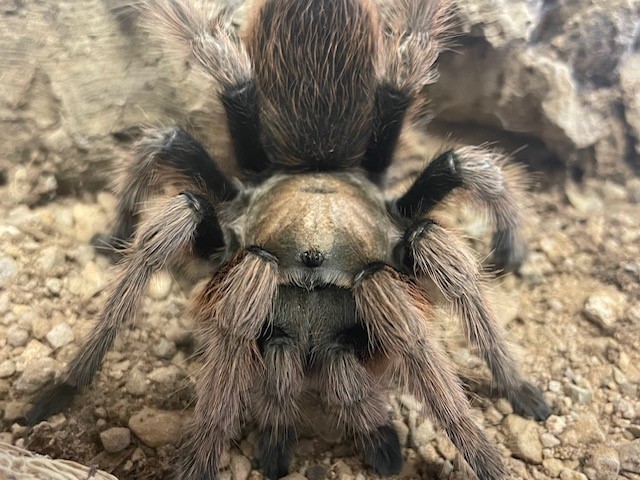
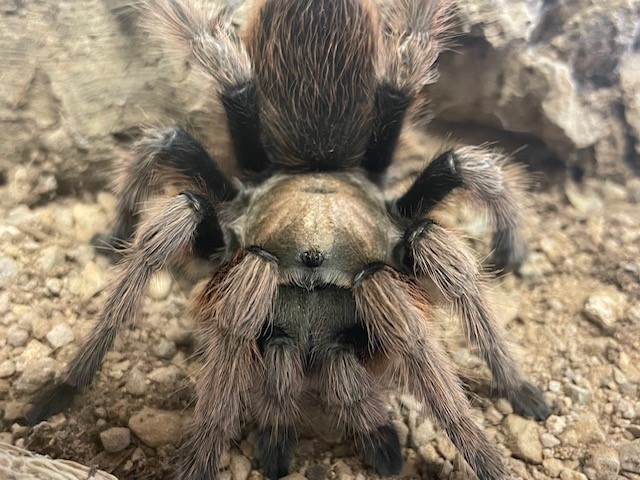
Tarantulas: Several species of tarantulas call the Sonoran Desert home. These large, hairy spiders are nocturnal hunters, preying on insects and other small animals. They burrow underground to escape the heat and dryness. The tarantulas are well-adapted to conserve water and thrive in the arid conditions.
Ants: Various ant species thrive in the Sonoran Desert, playing critical roles in soil aeration and nutrient cycling. They often form complex colonies underground, with specialized workers that collect food, care for the young, and defend the colony.
Desert Millipede (Orthoporus ornatus): These fascinating creatures are often seen after monsoon rains. They play an important role in breaking down leaf litter and organic matter in the desert soil. Their presence is tied to the seasonal moisture.
Are Sonoran Desert Scorpions Dangerous?
While the thought of encountering a scorpion might be unsettling, it's important to remember that most Sonoran Desert scorpion species are not deadly to humans. The Arizona bark scorpion is the most venomous scorpion in North America and is common in the Sonoran Desert. While its sting can be painful and cause temporary numbness, it is rarely life-threatening, especially for adults. Children and the elderly may experience more severe reactions, so medical attention is advised if stung. Most other scorpion species in the Sonoran Desert have less potent venom.
Generally, scorpions are not aggressive and only sting if they feel threatened. Taking precautions, such as wearing shoes outdoors, shaking out clothing and shoes before wearing them, and sealing cracks and crevices in your home, can help minimize the risk of encounters.
Ethical Canyoneering in Antelope Canyon X: A "Leave No Trace" Adventure
For experienced desert explorers seeking a thrilling adventure, canyoneering in Antelope Canyon X offers a unique and rewarding experience. Unlike the more crowded Upper and Lower Antelope Canyons, Antelope Canyon X provides a more intimate and less-disturbed environment. However, it's crucial to approach canyoneering in this delicate ecosystem with a deep respect for the environment and a commitment to "Leave No Trace" principles.

Essential Gear and Safety Precautions
Before embarking on a canyoneering adventure in Antelope Canyon X, ensure you have the necessary gear and training:
- Ropes and Harness: Use high-quality ropes and a well-fitted harness suitable for rappelling.
- Helmet: A helmet is crucial to protect your head from falling rocks.
- Appropriate Footwear: Wear sturdy hiking boots or canyoneering shoes with good traction.
- Navigation Tools: Carry a map, compass, or GPS device and know how to use them.
- First-Aid Kit: Pack a comprehensive first-aid kit with supplies for treating injuries and dehydration.
- Water and Food: Carry plenty of water and high-energy snacks to stay hydrated and fueled.
- Sun Protection: Protect yourself from the sun with sunscreen, a hat, and sunglasses.
Always check the weather forecast before heading out and be aware of the potential for flash floods. Antelope Canyon X is located in the Navajo Nation, and it is important to obtain necessary permits and permissions before canyoneering.
"Leave No Trace" Principles for Canyoneering
- Pack It In, Pack It Out: Carry out everything you carry in, including trash, food wrappers, and human waste.
- Minimize Campfire Impacts: Avoid building campfires if possible. If you must have a fire, use a designated fire ring and burn only dead and down wood.
- Respect Wildlife: Observe wildlife from a distance and never feed or disturb animals.
- Leave What You Find: Do not remove rocks, plants, or artifacts from the canyon.
- Travel and Camp on Durable Surfaces: Stay on established trails and avoid trampling vegetation.
- Minimize Impacts: Be mindful of your impact on the environment and take steps to reduce your footprint.
- Dispose of Waste Properly: Pack out all trash, including toilet paper and feminine hygiene products. Use portable toilet systems where available.
By adhering to these "Leave No Trace" principles, we can help preserve the beauty and integrity of Antelope Canyon X for future generations.
What to wear canyoneering Antelope Canyon X?
When canyoneering in Antelope Canyon X, it's important to wear clothing that will protect you from the sun, scratches, and the elements. Lightweight, moisture-wicking fabrics are ideal. Long sleeves and pants can help prevent scrapes and sunburn. Sturdy hiking boots or canyoneering shoes are essential for traction on the rocks. A hat and sunglasses will provide additional sun protection. Depending on the time of year, you may also want to bring a light jacket or fleece, as the canyon can be cool, especially in the shade.
Tohono O'odham Basket Weaving: An Enduring Art Form
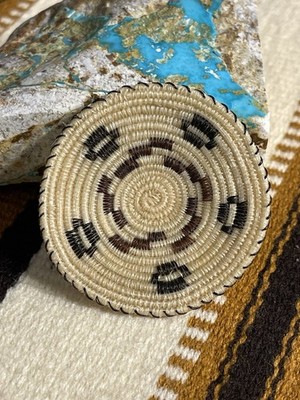
The Tohono O'odham people, whose ancestral lands encompass much of the Sonoran Desert, have a rich cultural heritage that is deeply intertwined with the desert environment. One of the most enduring expressions of their culture is basket weaving. For generations, Tohono O'odham artisans have used native plants to create intricate baskets that are both functional and beautiful works of art. The designs often reflect the desert landscape, incorporating patterns inspired by the mountains, cacti, and animals that surround them.
The Materials and Techniques
Tohono O'odham basket weavers primarily use three native plants:
- Beargrass (Nolina microcarpa): The foundation of most Tohono O'odham baskets.
- Willow (Salix gooddingii): Used for the white or light-colored elements in the designs.
- Devil's Claw (Proboscidea parviflora): Provides the black or dark-colored elements.
The process of creating a Tohono O'odham basket is labor-intensive and requires great skill. The plants must be harvested at the right time of year, then dried, split, and coiled to create the basket's foundation and design elements. The weaving is done by hand, using a variety of techniques to create intricate patterns and designs.
Support Tohono O'odham Artisans
By purchasing authentic Tohono O'odham baskets, you can directly support the artisans and their communities, helping to preserve this vital cultural tradition. Visit our product page to browse a selection of ethically sourced Tohono O'odham baskets: vistalocation.com/tohono-baskets. Your purchase helps sustain this ancient art form and provides valuable income to the artisans who create these beautiful and meaningful works of art.
Sustainable Dining: Kai Restaurant at Wild Horse Pass
No exploration of the Sonoran Desert is complete without experiencing its culinary heritage. Kai Restaurant, located at the Sheraton Grand at Wild Horse Pass in Arizona, offers a unique dining experience that celebrates the indigenous ingredients and culinary traditions of the Gila River Indian Community.
The restaurant's menu features dishes inspired by the Akimel O'otham and Pee Posh tribes, using locally sourced ingredients grown on the community's farms. Kai's commitment to sustainability extends beyond its menu. The restaurant actively supports local farmers and producers, minimizing its environmental impact and contributing to the economic well-being of the Gila River Indian Community.
The experience offers a fantastic opportunity to discover the flavors of the Sonoran Desert while supporting responsible and sustainable practices.
The Sonoran Desert is a land of contrasts – a place of harsh extremes and delicate beauty, of ancient traditions and modern adventures. From the fascinating adaptations of its invertebrates to the thrill of ethical canyoneering and the artistry of Tohono O'odham basket weaving, the Sonoran Desert offers a wealth of experiences for those who seek to explore its secrets. So, plan your visit today, and embark on a journey of discovery in this extraordinary landscape. And don't forget to savor the flavors of the desert at Kai Restaurant. Book your Sonoran Desert tour with VistaLocation today! vistalocation.com/sonoran-desert-tours