Unearthing Earth's Wonders: Exploring Unique Geo...
Our planet is a treasure trove of natural wonders, and its coastlines are no exception. Beyond the typical sandy shores, there lie geological beaches that showcase the Earth's artistry, crafted over millennia by the relentless forces of nature. These unique locations offer a captivating blend of scientific intrigue and scenic beauty, making them must-visit destinations for the curious traveler and nature enthusiast alike. Join us as we journey to three remarkable geological beaches – Glass Beach in California, the Moeraki Boulders in New Zealand, and Pfeiffer Beach in Big Sur – where you can witness firsthand the power of geology and even contribute to citizen science projects. These unusual beach formations await!
Glass Beach, Fort Bragg, California: From Trash to Treasure
Glass Beach, near Fort Bragg, California, is a testament to nature's ability to transform waste into something beautiful. Once a dumping ground for discarded glass, the relentless action of waves and erosion has sculpted these shards into smooth, colorful gems known as sea glass. The process is simple yet profound: broken glass is tumbled by the ocean's currents, gradually wearing down the sharp edges until only frosted, rounded pieces remain.
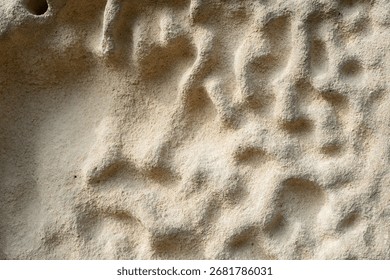
The ecological impact of this transformation is complex. While the sea glass itself is relatively inert, the original dumping of trash had negative consequences for the marine environment. Today, however, Glass Beach attracts visitors who appreciate its unique beauty, raising awareness about marine debris and the importance of responsible waste management. Visiting Glass Beach responsibly involves leaving all glass on the beach to preserve its unique character for future visitors.
Citizen Science at Glass Beach
You can contribute to our understanding of Glass Beach by participating in a citizen science project! Document the ratios of different sea glass colors (brown, white, green, blue) you find on the beach and upload your findings to a shared database using iNaturalist.org. This data can help researchers track the composition of marine debris and assess the long-term effects of wave action on glass erosion.
Where to Stay Near Glass Beach
For an eco-friendly stay, consider the Brewery Gulch Inn in Mendocino. This charming inn is committed to sustainability through water conservation initiatives and a comprehensive carbon offsetting program.
Support Coastal Education
Help educate others about marine debris and coastal ecosystems by supporting the efforts of the Noyo Marine Center through a donation.
Moeraki Boulders, Koekohe Beach, New Zealand: Spherical Wonders of the Seabed
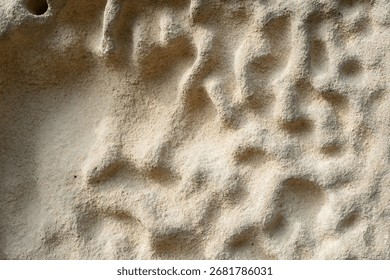
The Moeraki Boulders, scattered along Koekohe Beach in New Zealand, are a geological marvel that has captivated visitors for generations. These nearly spherical boulders, some weighing several tons, are concretions – formed from ancient seabed sediments over millions of years. The geological process involves the gradual accumulation of minerals, such as calcite, around a central core, similar to how a pearl forms in an oyster. The tafoni weathering patterns give them an alien look, and they're sometimes called dinosaur egg rocks.
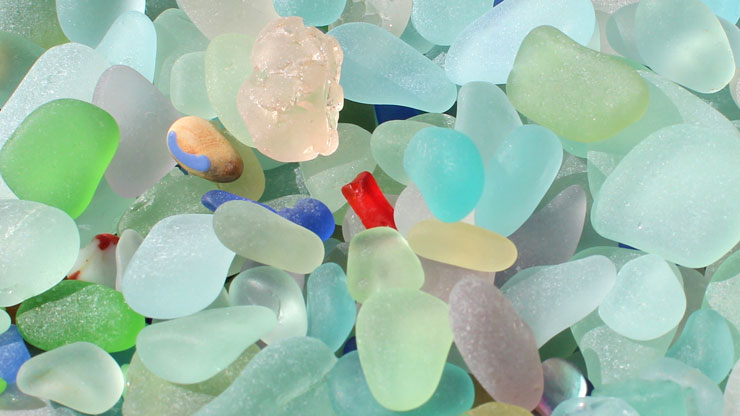
The concretions began forming in mudstone about 60 million years ago. Over time, erosion has exposed these remarkable formations, creating a surreal landscape along the Otago coastline. The best time to see Moeraki Boulders is at sunrise or sunset when the light casts dramatic shadows and enhances their spherical shape. Book a Moeraki Boulders tour to see them at their best!
Citizen Science with the Boulders
Contribute to the scientific understanding of the Moeraki Boulders by measuring the circumference of multiple boulders and contributing your data to a collaborative research project at the University of Otago's Geology Department. Access a fictional collaborative research project here: University of Otago Geology Department. Your measurements can help researchers refine their models of concretion formation and erosion rates.
Eco-Friendly Accommodation
Stay at the Katiki Estate, an eco-lodge near the beach. This lodge is committed to energy efficiency and waste reduction, minimizing its environmental footprint while providing a comfortable and sustainable travel experience.
Support Conservation Efforts
Help protect the geological heritage of the area by contributing to the conservation efforts of the Department of Conservation (DOC).
Pfeiffer Beach, Big Sur, California: A Purple Sand Paradise
Pfeiffer Beach, nestled along the rugged Big Sur coastline in California, is renowned for its unique purple sand. This distinctive color originates from manganese garnet deposits eroding from the surrounding hills. The mineralogical composition of the sand, rich in garnet, gives the beach its captivating hue, particularly noticeable after rainfall when the purple grains are concentrated on the surface. What causes the purple sand Pfeiffer Beach? It's the garnet! Big Sur scenic drive beaches don't get much more unique than Pfeiffer Beach.
Pfeiffer Beach is also known for its Keyhole Arch, a natural rock formation that provides a stunning frame for sunsets. The geological features of Pfeiffer Beach aren't limited to purple sand, there are amazing sea caves and cliffs, too. How to get to Pfeiffer Beach Big Sur parking can be a challenge, especially during peak season, so arrive early.
Big Sur Sand Studies: A Citizen Science Opportunity
Become a sand detective! Collect small sand samples from Pfeiffer Beach and photograph them under magnification. Analyze the composition and upload your findings to a social media page dedicated to "Big Sur Sand Studies." Share your insights and discoveries with fellow citizen scientists.
Sustainable Luxury in Big Sur
For a luxurious and sustainable stay, choose Ventana Big Sur, an Alila Resort. Ventana is committed to sustainable luxury and carbon footprint reduction programs, allowing you to enjoy the beauty of Big Sur responsibly.
Preserve the Big Sur Coastline
Support the preservation of the natural beauty and geological integrity of the Big Sur coastline by donating to the Big Sur Land Trust.
Conclusion: Explore, Learn, and Conserve
These three geological beaches offer a glimpse into the Earth's dynamic processes and the beauty that can arise from natural forces. By exploring these locations responsibly, participating in citizen science initiatives, and supporting conservation efforts, we can help protect these wonders for future generations. So, pack your bags, embrace your inner geologist, and embark on a journey to unearth Earth's wonders! Remember to book your trips through vistalocation.com for the best deals and support sustainable travel.