Unearthing Earth's Masterpieces: Desert Landscap...
The allure of the desert extends far beyond its stark beauty. These seemingly barren landscapes are, in fact, open-air museums, showcasing Earth's geological history etched in stone, sculpted by wind and water, and painted with the hues of millennia. From the otherworldly terrains of Chile's Atacama to the majestic sandstone canyons of Jordan's Wadi Rum and the alien badlands of New Mexico's Bisti/De-Na-Zin Wilderness, these desert geological wonders offer a tangible connection to our planet's ancient past. Journey with us as we unearth the stories these landscapes tell.
Atacama Desert, Chile: Valley of the Moon and the Hand of the Desert
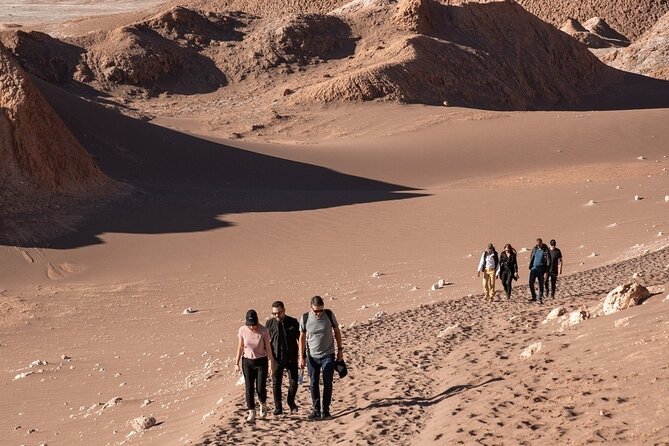
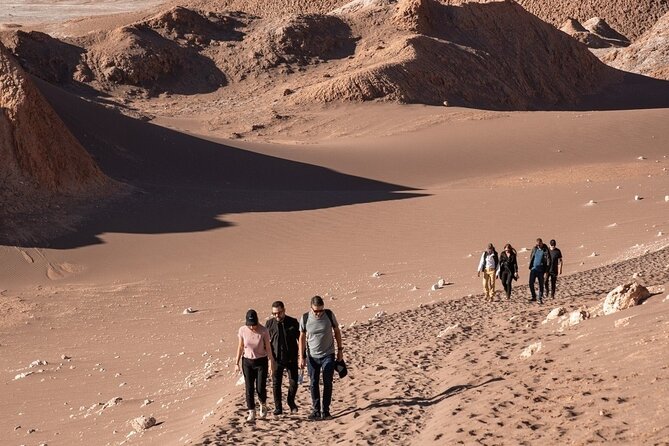
The Atacama Desert in Chile, often described as the driest non-polar desert on Earth, presents a surreal panorama of geological artistry. One of its most captivating sections is the Valley of the Moon (Valle de la Luna), a designated natural reserve near San Pedro de Atacama. Here, erosion over eons has carved the landscape into a labyrinth of otherworldly rock formations. The dryness and lack of vegetation have accelerated the weathering process, exposing layers of salt and gypsum, creating salt caves and amphitheater-like depressions. Walking through this area feels like traversing the surface of another planet. The Atacama Desert geological formations present include dried up lake beds and various mineral deposits that create a rainbow of colors.
Exploring the Valle de la Luna
The unique formations in the Valley of the Moon are a testament to the power of water – or, in this case, the lack of it. While rain is scarce, infrequent showers and morning dew slowly dissolve the soluble minerals, reshaping the landscape grain by grain. The salt caves, glittering in the sunlight, are formed when water seeps into cracks, dissolving the salt and creating hollow spaces. The large, amphitheater-shaped formations are a result of differential erosion, where softer rock layers are worn away faster than the harder ones.
<div align="center"><iframe width="560" height="315" src="https://www.youtube.com/embed/dQw4w9WgXcQ" title="YouTube video player" frameborder="0" allow="accelerometer; autoplay; clipboard-write; encrypted-media; gyroscope; picture-in-picture; web-share" allowfullscreen></iframe></div>
(Replace this with the actual YouTube embed code for your video!)
The "Hand of the Desert" (Mano del Desierto)
Further adding to the Atacama's mystique is the "Hand of the Desert" (Mano del Desierto), a colossal sculpture by Chilean artist Mario Irarrázabal. This imposing hand, reaching skyward from the barren landscape, serves as a poignant reminder of human vulnerability in the face of geological timescales. Its presence underscores the immense geological history contained within the desert – a history that dwarfs human existence to a mere blink of an eye. The sculpture, made of concrete and iron, serves to draw attention to the vastness of geological time, placing human existence into perspective.
How can I get to the 'Hand of the Desert' sculpture? The 'Hand of the Desert' sculpture is situated along Route 5 (Pan-American Highway), approximately 75 kilometers (about 47 miles) south of Antofagasta, Chile.
Wadi Rum, Jordan: Sandstone Majesty
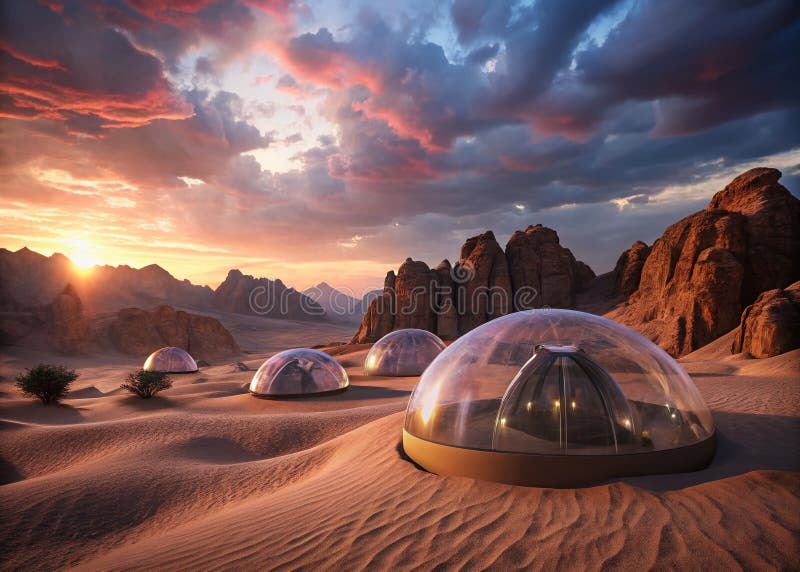
Wadi Rum, also known as the Valley of the Moon, is a protected desert wilderness in southern Jordan. It's characterized by its dramatic sandstone mountains and canyons, sculpted by the relentless forces of wind and water over millions of years. These towering formations, rising from the sandy desert floor, create a landscape of unparalleled beauty. Wadi Rum sandstone landscapes are renowned for their vibrant colors, especially at sunrise and sunset when the rock faces are bathed in shades of red, orange, and gold.
Iconic Formations: Seven Pillars of Wisdom and Mushroom Rock
Among the most recognizable formations in Wadi Rum are the "Seven Pillars of Wisdom," named after T.E. Lawrence's book, and the "Mushroom Rock," a peculiar mushroom-shaped rock formation balanced precariously on a narrow stem. These formations, like all others in Wadi Rum, are a result of differential erosion. The softer sandstone layers are eroded more quickly, leaving behind the more resistant layers as towering pillars or strangely shaped rocks. The Seven Pillars formation provides a popular photo opportunity at sunset.
Geological Processes at Work
The geology of Wadi Rum is deeply rooted in its history as a seabed. Over time, layers of sediment accumulated, compressing into sandstone. Tectonic activity uplifted these layers, exposing them to the elements. The primary geological processes that shaped Wadi Rum are weathering and erosion. Wind, carrying sand particles, acts as a natural sandblaster, wearing away the rock. Water, although scarce, plays a vital role in dissolving minerals and widening cracks, ultimately leading to the collapse of weaker rock formations. Freeze-thaw cycles further contribute to the breakdown of the sandstone.
Bisti/De-Na-Zin Wilderness, New Mexico, USA: Alien Badlands
The Bisti/De-Na-Zin Wilderness in New Mexico offers a stark contrast to the sandstone landscapes of Wadi Rum and the salt formations of Atacama. Here, you'll find alien-looking badlands characterized by bizarre rock formations, including hoodoos (also known as tent rocks) and petrified logs scattered across the landscape. This remote and desolate area presents a unique geological experience. Why is the Bisti/De-Na-Zin Wilderness called 'badlands'? The name "badlands" accurately describes the Bisti/De-Na-Zin Wilderness due to its difficult terrain and challenging conditions for agriculture and travel.
Hoodoos and Petrified Forests
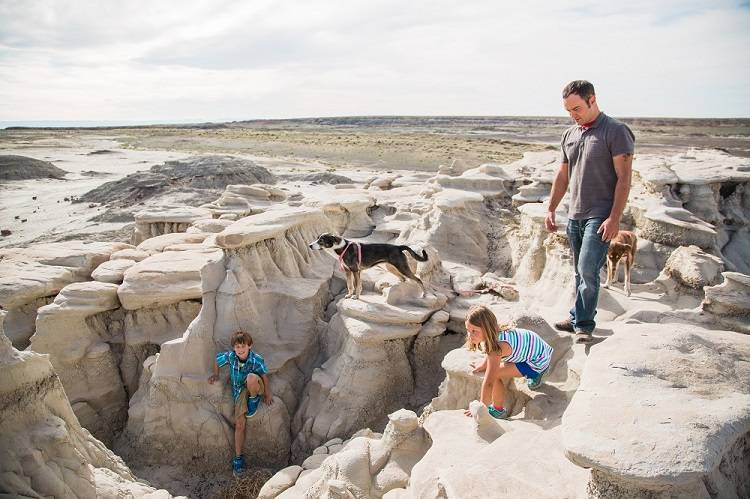
The hoodoos of Bisti/De-Na-Zin are perhaps its most iconic feature. These strange, mushroom-shaped rock formations are created by the erosion of sedimentary rock layers. Softer layers are eroded away, leaving behind pillars of harder rock, often capped with a protective "hat" of more resistant material. These hoodoos are not just geological curiosities; they are also time capsules, preserving clues about the area's past environment. The petrified logs offer further evidence of a prehistoric forest that once thrived in this area. These logs, now turned to stone, provide a fascinating glimpse into a bygone era.
The Erosion Process Explained
The Bisti badlands formation is a product of millions of years of erosion acting on layers of sedimentary rock. The area was once a coastal plain, where rivers deposited layers of sand, silt, and clay. Over time, these layers were compressed into sedimentary rock. Tectonic uplift raised the land, exposing it to the forces of erosion. Wind and water have worked tirelessly to carve away the softer rock layers, leaving behind the more resistant formations we see today. Different types of erosion process desert landscapes in unique ways, resulting in a diverse range of landforms.
Responsible Desert Travel: Leave No Trace
Exploring these geological wonders comes with a responsibility to protect them for future generations. Adhering to Leave No Trace principles is crucial when visiting any desert environment:
- Plan Ahead and Prepare: Research the area, check weather conditions, and pack appropriately. Bring sufficient water and supplies.
- Travel and Camp on Durable Surfaces: Stick to established trails and campsites to avoid damaging fragile vegetation and soil.
- Dispose of Waste Properly: Pack out everything you pack in, including trash, food scraps, and human waste.
- Leave What You Find: Do not remove rocks, plants, fossils, or any other natural or cultural artifacts.
- Minimize Campfire Impacts: Use a portable stove for cooking and avoid building campfires, which can scar the landscape and contribute to air pollution.
- Respect Wildlife: Observe wildlife from a distance and avoid feeding them.
- Be Considerate of Other Visitors: Keep noise levels down and respect the solitude of others.
By following these principles, we can ensure that these magnificent desert landscapes continue to inspire and educate for years to come. Best Atacama Desert geological tours often incorporate responsible travel practices.
Conclusion: Experiencing Earth's History Firsthand
From the salt-sculpted valleys of the Atacama to the sandstone monuments of Wadi Rum and the alien badlands of Bisti/De-Na-Zin, Earth's deserts offer a unique opportunity to witness geological processes unfolding on a grand scale. These landscapes are not just beautiful; they are also invaluable records of our planet's past. By traveling responsibly and respecting the fragility of these environments, we can ensure that future generations have the chance to experience these masterpieces firsthand. Ready to embark on your own geological adventure? Check out our tour offerings here!