Transylvania Beyond the Myths: A Vegetarian's Jo...
I'll admit, the name "Transylvania" conjured up images of gothic castles, bats, and, of course, vampires. My initial skepticism was strong, fueled by years of pop culture. But beneath the surface of those well-worn myths, I knew there had to be something more. As a history enthusiast, amateur folklorist, and a lifelong vegetarian, I was determined to unearth the "real" Transylvania – a land steeped in history, brimming with vibrant traditions, and, surprisingly, offering a delicious vegetarian experience. This journey became a quest to reconcile the legends with reality, all while navigating the local cuisine with my dietary needs.
A Romanian Wedding: A Taste of Tradition
My Transylvanian adventure began unexpectedly with an invitation to a traditional Romanian wedding in a small village near Cluj-Napoca. One of our hosts, knowing we were interested in experiencing authentic Romanian culture, extended the invitation. It was an immersion into a world far removed from tourist brochures. The vibrant colors of the ii (traditional Romanian blouses) and the energetic taraf music, a blend of violins, accordions, and cimbaloms, filled the air.
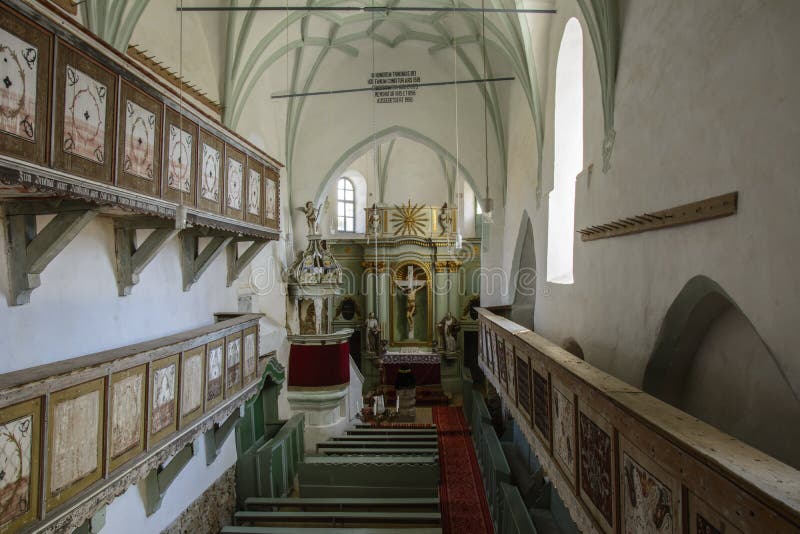
The wedding rituals were fascinating. The breaking of the bread, a symbol of unity and prosperity, was particularly moving. Throughout the celebration, I learned of various local superstitions surrounding weddings – from the placement of the bride's veil to ward off evil spirits, to the belief that rain on the wedding day is a sign of good luck. The energy was infectious, and I found myself swept up in the joy and celebration.
Navigating the food, however, was a bit trickier. Romanian cuisine is traditionally meat-heavy. Thankfully, there were options! Fresh salads, grilled vegetables, and mămăligă (polenta) served with creamy telemea cheese kept me satisfied. The locals were incredibly accommodating, often bringing me separate dishes with vegetarian fillings. It was a testament to their hospitality and willingness to share their culture, dietary restrictions and all.
Craft Fair in Sibiu: A Celebration of Art and Heritage
Sibiu's Piata Mare, the heart of the city, was buzzing with activity during the local craft fair. The square was transformed into a vibrant showcase of traditional Romanian artistry. I was immediately drawn to the intricate woodworking – hand-carved wooden spoons, each telling a story through its delicate designs. There was also pottery painted with traditional Romanian motifs, depicting scenes from rural life and folklore.
I spent hours talking to the artisans, learning about their craft and the traditions passed down through generations. They spoke with passion about preserving their heritage and the importance of keeping these skills alive. I purchased a beautiful hand-painted bowl, a tangible reminder of the artistry and dedication I witnessed in Sibiu. Visiting the Sibiu Christmas Market is a great experience, but you can see art and history at any time of the year.
Fortified Church of Biertan: A Fortress of Faith
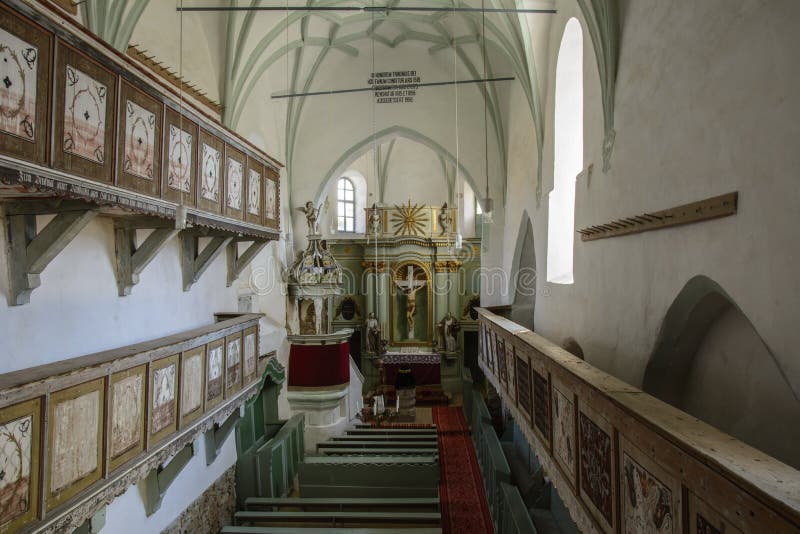
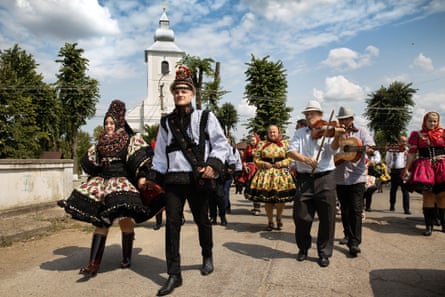
The Fortified Church of Biertan, a UNESCO World Heritage site, stands as a powerful testament to Transylvania's turbulent past. These fortified churches were built by the Transylvanian Saxons as defensive structures against Ottoman invasions. The architecture is impressive – thick walls, imposing towers, and a strategic hilltop location.
Inside, I was struck by the simple beauty of the church itself. The marriage prison, a small room where couples on the verge of divorce were confined to reconcile, was a particularly fascinating feature. The idea was to force them to work through their issues in close quarters, hopefully leading to a resolution.
Bran Castle: Separating Fact from Fiction
No trip to Transylvania is complete without a visit to Bran Castle. However, it's crucial to approach it with historical context, not just vampire lore. While often associated with Vlad the Impaler (Vlad Țepeș), the historical connection is tenuous at best.
Bran Castle's actual history is far more interesting. It served as a royal residence and a customs post, playing a significant role in controlling trade routes. Queen Marie of Romania played a crucial role in restoring the castle in the 20th century, transforming it into a museum showcasing Romanian art and history.
While the vampire myths are undeniable ingrained in the region's cultural identity, it's essential to remember that they are just that – myths. The castle itself is a fascinating historical site, regardless of its fictional associations.
Hiking in the Carpathian Mountains: A Breath of Fresh Air
Leaving the castles behind, I ventured into the Carpathian Mountains near Brașov. The air was crisp and clean, and the views were breathtaking. The mountains are a treasure trove of local flora, and I was particularly interested in identifying medicinal herbs. I spotted chamomile, St. John's Wort, and thyme growing wild along the trails. The aroma of pine and damp earth filled the air.
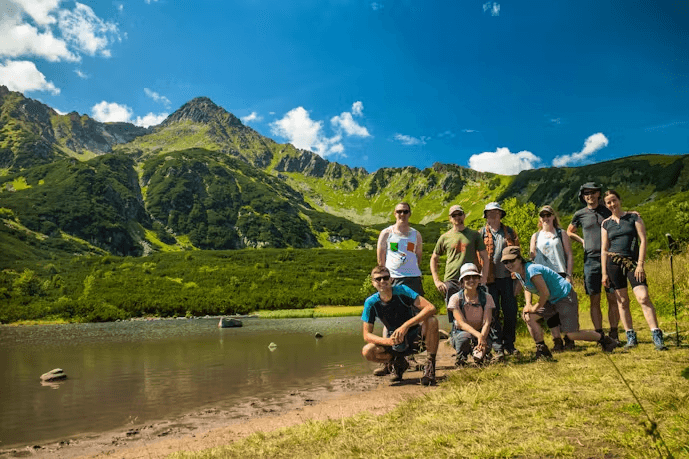
I also encountered several bird species, including the vibrant Eurasian jay and the elusive nutcracker. Hiking in the Carpathians was a welcome escape into nature, a chance to disconnect from the modern world and reconnect with the beauty of the Transylvanian landscape. Consider hiring a guided tour for your visit.
Turda Salt Mine: An Underground Wonderland
Descending into the Turda Salt Mine was like entering another world. The cool, salty air filled my lungs as I made my way deeper into the mine. The echoing sounds and unique formations created an almost surreal atmosphere.
The mine has a long history, dating back to Roman times. Over the centuries, it has been used for salt extraction, storage, and even as a bomb shelter during World War II. Today, it has been transformed into a unique tourist attraction, featuring an underground lake, a Ferris wheel, and even a bowling alley. It's a testament to human ingenuity and the ability to repurpose industrial spaces in creative ways.
The Danube Delta: A Biodiversity Hotspot
While technically outside of Transylvania proper, a trip to Romania wouldn't be complete without experiencing the Danube Delta, a UNESCO World Heritage Site and one of Europe's largest and best-preserved deltas. This vast wetland is a haven for biodiversity, teeming with unique flora and fauna.
Here, you can observe a wide variety of bird species, including pelicans, herons, and egrets. The delta is also home to numerous fish species, as well as otters, wildcats, and even jackals. The unique ecosystem makes it a paradise for nature lovers.
Vegetarian Food in Transylvania: A Culinary Adventure
As a vegetarian, I approached Romanian cuisine with some trepidation. However, I was pleasantly surprised by the variety and deliciousness of the vegetarian options available.
Here are a few of my favorites:
- Mămăligă: This polenta-like dish is a staple of Romanian cuisine. It's often served with cheese and sour cream, making it a hearty and satisfying meal.
- Vegetable Ghiveci: This vegetable stew is a flavorful and nutritious option, packed with seasonal vegetables.
- Zacuscă: This vegetable spread, made from eggplant, peppers, and tomatoes, is a delicious accompaniment to bread or crackers. It’s a perfect Romanian vegetarian recipe.
- Local Cheeses: Romania boasts a variety of delicious cheeses, including telemea (a type of feta) and brânză de burduf (a sheep's milk cheese aged in a sheep's stomach).
To complement the food, I highly recommend trying some local wines. Fetească Neagră (red) and Fetească Albă (white) are two excellent choices. Many local wineries offer tours and tastings, providing a glimpse into the Romanian winemaking tradition.
Conclusion: Discovering the Real Transylvania
My journey through Transylvania shattered my preconceived notions. It's a land of rich history, vibrant culture, and stunning landscapes – far more than just vampire myths. The people are warm and welcoming, the food is surprisingly accommodating to vegetarians, and the experiences are unforgettable.
I encourage you to visit and experience the "real" Transylvania for yourself. Explore its fortified churches, hike its majestic mountains, and immerse yourself in its unique traditions. You'll discover a land that is both ancient and modern, a place where history and folklore intertwine to create a truly magical destination.
For travel tips and inspiration for your trip to Transylvania, visit vistalocation.com today! Plan your Transylvanian holidays today, and immerse yourself into the historical and vegetarian friendly region.