Transylvania: A Historian's Skeptical Sojourn (...
Ah, Transylvania. The very name conjures images of blood-thirsty counts, howling wolves, and damsels perpetually in distress. I, Professor Alistair Humphrey, recently retired purveyor of historical fact (and dedicated debunker of historical fiction), decided to brave the cobwebs and questionable narratives of this Romanian region. My goal? To sift through the romanticized rubble and unearth the actual history lurking beneath. What I found was… well, let’s just say it was certainly an experience.
Sighisoara: A Festival of (Slightly) Historical Hysteria
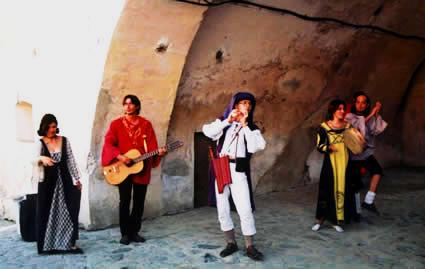
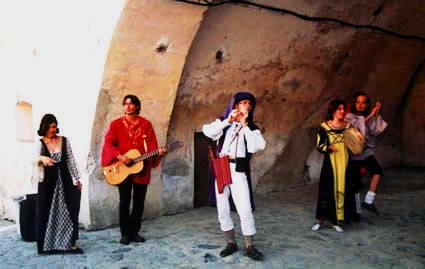
My journey began in Sighisoara, a remarkably well-preserved medieval citadel. By sheer coincidence (or perhaps the relentless prodding of my travel agent), I arrived during the annual Medieval Festival. Now, I’ve witnessed my share of historical re-enactments, and they generally fall somewhere between “endearingly amateurish” and “historically dubious.” Sighisoara's festival leaned heavily towards the latter, but it was entertaining, nonetheless. The air thrummed with the clang of blacksmiths hammering away (presumably forging souvenirs for the gullible tourist), the aroma of roasting meats (of indeterminate origin, I suspect) filled the air, and performers in elaborate costumes paraded through the streets.
One particular re-enactment caught my eye: a jousting tournament. Men (and I use the term loosely) in ill-fitting armor attempted to knock each other off their steeds. The horses, bless their equine souls, seemed rather more dignified than their riders. The accuracy? Let's just say I've seen better historical detail in a Hollywood film. The crowd, however, seemed suitably impressed, cheering with the fervor usually reserved for football matches. I couldn't help but wonder if any of them had actually cracked open a history book.
Later, I encountered a vendor hawking handcrafted wooden toys. “Authentic medieval designs!” he declared with the confidence of a seasoned con man. I examined a particularly crude wooden sword. “Authentic, you say? Based on what, precisely? A child’s fever dream?” I inquired, my eyebrow arching involuntarily. He sputtered something about tradition and craftsmanship, but I remained unconvinced. I purchased the sword anyway; a reminder that even the most meticulously crafted historical narrative is often just a cleverly packaged fiction.
Corvin Castle: Stone Walls and Dubious Dracula Connections
Next on my itinerary was Corvin Castle, a truly imposing structure that manages to be both beautiful and slightly sinister. The grey stone walls, baked under the Transylvanian sun, radiated a palpable sense of history. The worn wooden beams of the inner courtyard whispered tales of sieges and secrets. Light filtered through the narrow, arched windows, illuminating dust motes dancing in the air. And, yes, the dungeon was indeed quite drafty – a distinct improvement, I imagine, over its original inhabitants' circumstances. The architectural details – the Gothic arches, the Renaissance flourishes – were genuinely impressive, a testament to the castle's long and varied history.
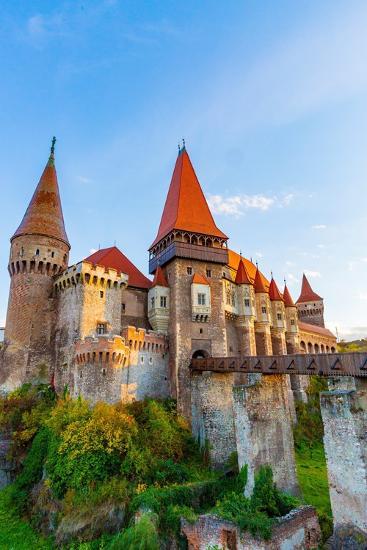
Of course, no visit to Corvin Castle is complete without a mention of Vlad the Impaler. Legend has it that Vlad was imprisoned here for a time. Now, while it’s true that Vlad likely passed through the castle, the idea that he languished here for years is largely the product of…well, let’s call it “creative storytelling.” The historical evidence is sketchy at best. But why let facts get in the way of a good vampire story, eh? The castle certainly capitalizes on the connection, with various displays dedicated to the Vlad legend. I resisted the urge to correct the historical inaccuracies; one can only fight the forces of romanticism for so long.
Turda Salt Mine: A Subterranean Spectacle of the Absurd
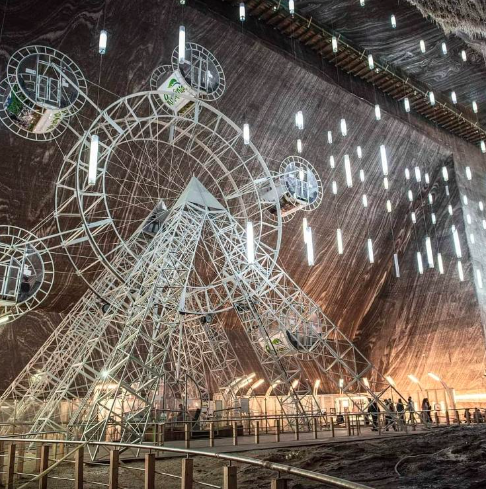
If Corvin Castle was imposing, Turda Salt Mine was simply bizarre. Descending into the depths of the earth, I was immediately struck by the sheer scale of the place. It's like a subterranean cathedral, only instead of stained glass, you have salt. The echoing sounds of tourists – speaking in a cacophony of languages – bounced off the walls, creating an almost otherworldly atmosphere. The diffused, artificial lighting cast strange shadows, highlighting the textures of the salt formations.
And then…the Ferris wheel. Yes, you read that correctly. A Ferris wheel, installed in the bowels of a centuries-old salt mine. The juxtaposition was so absurd, so utterly unexpected, that I almost choked on my own cynicism. Was this some sort of post-modern art installation? A commentary on the commodification of history? Or just a desperate attempt to attract tourists? I suspect the latter. Still, I couldn’t help but be impressed by the sheer audacity of it all. I resisted the urge to ride the wheel (my vertigo is rather unforgiving), but I did appreciate the surreal spectacle.
Culinary Chronicles: A Taste of Transylvania
Romanian cuisine, I discovered, is a hearty and flavorful affair. I sampled sarmale (stuffed cabbage rolls) served with a generous dollop of sour cream – a surprisingly satisfying combination. Mămăligă (polenta) was enjoyed in a rustic restaurant, accompanied by a hearty stew. And mititei (grilled minced meat rolls) were savored at a street vendor in Brasov – a greasy but undeniably delicious snack.
I also indulged in a glass of local red wine from the Dealu Mare region. It possessed an earthy aroma and a robust flavor – a fitting accompaniment to the region's rich history. As for the historical origins of these dishes, well, that's a research project for another day. But I suspect that necessity (and a desire to survive the harsh winters) played a significant role in their development.
Mountains, Bears, and Saxon Echoes
The landscapes of the Carpathian Mountains (specifically the Bucegi Mountains) were breathtaking. Dense forests of spruce and fir trees clung to the steep slopes. While hiking, I spotted tracks that suggested the presence of brown bears, wolves, and lynx – creatures that clearly have a better understanding of Romanian history than some of the festival attendees. Delicate alpine flowers dotted the meadows, adding a touch of beauty to the rugged terrain. The air was cool and crisp, and the panoramic views from the mountain peaks were simply stunning.
The old towns, like Brasov, were also a delight. The Saxon influence was readily apparent in the colorful buildings, the narrow cobblestone streets, and the imposing Black Church. The church, I learned, was partially destroyed by a fire centuries ago. The blackened walls serve as a stark reminder of the region's turbulent past.
Reflections: History, Storytelling, and Salt Mine Ferris Wheels
So, what did I learn from my Transylvanian adventure? Well, firstly, that historical accuracy is often a casualty of popular culture. Secondly, that the Romanians are remarkably good at roasting meat. And thirdly, that even the most cynical historian can be surprised by a Ferris wheel inside a salt mine.
Did experiencing Transylvania firsthand change my perception of folklore and legends? Perhaps. I still maintain a healthy skepticism towards the more outlandish claims, but I now have a greater appreciation for the stories that shape a culture. These tales, even if they are not entirely factual, reflect the hopes, fears, and aspirations of a people. And in that sense, they are just as important as the historical record.
Transylvania, I discovered, is more than just vampires and crumbling castles. It's a land of rich history, stunning landscapes, and resilient people. It's a place where the past and the present collide in unexpected and often amusing ways. And it's a destination that is well worth exploring, even if you have to endure the occasional historical inaccuracy (and the aforementioned Ferris wheel).