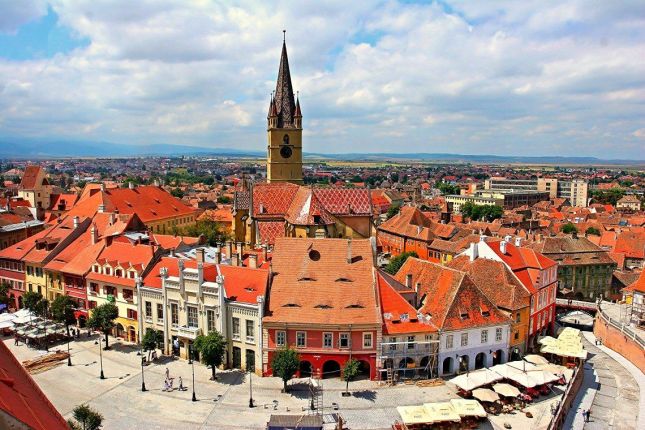
Transylvania: A Food Critic's Unexpected Palate...
Transylvania. The name conjures images of gothic castles, swirling mists, and, of course, a certain Count with a penchant for the crimson stuff. As a seasoned food critic – one who has, let’s just say, standards – my expectations for this particular corner of Romania were… low. I envisioned a tourist trap drowning in kitsch, serving up flavorless fare to hordes of vampire-obsessed visitors. My assignment for VistaLocation.com? A culinary tour of Transylvania. My initial reaction? A barely audible groan. However, even the most jaded palate can be surprised.
Sighisoara Medieval Festival: Steel, Strangled Cats, and Surprisingly Good Mead
My Transylvanian adventure began, predictably, in Sighisoara, at its famed Medieval Festival. Imagine, if you will, a chaotic pastiche of reenactors, craft stalls, and enough tourists to populate a small city. The jousting match, a spectacle of faux chivalry, was at least marginally entertaining. The sound of steel on steel as lances clashed resonated through the square, momentarily drowning out the general din. Wandering through the throngs, I encountered Gavril, a woodcarver meticulously crafting dragons and knights from blocks of wood. His dedication was admirable, even if his clientele seemed more interested in selfie opportunities. Then there was the music. Oh, the music. Traditional Transylvanian tunes blasted from every corner, featuring the ubiquitous cobza, a lute-like instrument whose screechy timbre, I muttered under my breath, "sounds like a cat being strangled."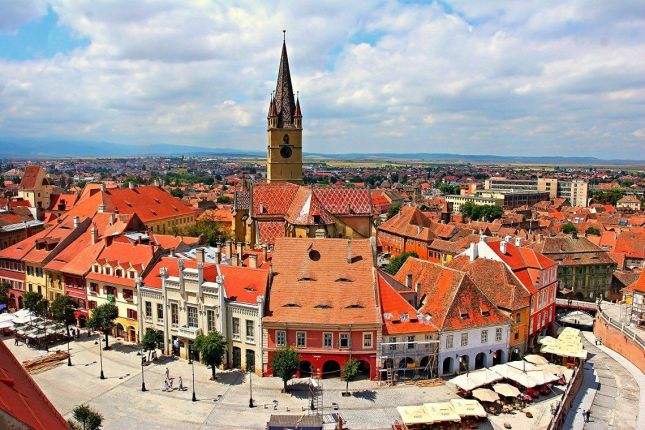
And the food… A stall brazenly named "Kurtos King" caught my eye. "King must be a joke," I scoffed inwardly. But then, the aroma. A sweet, caramelized scent wafted through the air, beckoning me closer. I relented and sampled some mead from "Apis Mjod," specifically the "Dark Forest" variety. To my utter astonishment, it was…complex. Earthy notes mingled with dark fruit, a surprisingly sophisticated flavor profile. It was an unexpected highlight, a flicker of hope in this medieval mayhem.
Familia Popa's Honey Farm: A Sweet Revelation
Leaving Sighisoara, I ventured into the countryside, a decision made solely to appease my editor's insistence on "authentic experiences." The destination: Familia Popa's honey farm. "Another folksy experience… just what I needed," I grumbled to myself as the taxi bumped along a dirt road.
Old man Popa, the patriarch of the family, greeted me with a raspy voice, twinkling eyes, and hands stained golden from years of handling honey. He ushered me into a rustic tasting room, where jars of glistening honey lined the shelves. The acacia honey was delicate, almost ethereal, with subtle floral notes. The wildflower honey, on the other hand, possessed a robust, almost medicinal character. It was fascinating.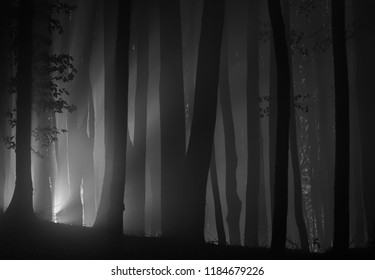
Stepping outside, I was struck by the beauty of the surrounding fields. Wildflowers swayed in the wind, their vibrant colors a stark contrast to the muted tones of the Romanian landscape. It was a far cry from the sterile kitchens and Michelin-starred restaurants I usually frequent, but… it was pleasant. Familia Popa's honey farm provides a perfect example of Transylvania artisan crafts that is a must see for any travellers seeking authentic Transylvanian culture.
Escape Room Dracula: A Test of Patience (and Garlic Knowledge)
Back in civilization (sort of), I found myself in Brașov, staring down the barrel of "Escape Room Dracula" at Strada Republicii 23. My expectations were subterranean. However, even I had to admit that solving a puzzle involving garlic and a coffin offered a fleeting moment of amusement. "Finally, something mildly challenging," I declared, feigning relief as the final lock clicked open.
Casa Wagner: A Culinary Crossroads
Lunch at Casa Wagner in Sighisoara offered a glimpse into traditional Transylvanian cuisine. The ambiance was undeniably charming: wooden tables, candlelight, and the murmur of conversations created a cozy atmosphere. I ordered mămăligă cu brânză și smântână (polenta with cheese and sour cream), sarmale (cabbage rolls), and gulaș (goulash), bracing myself for the worst. The mămăligă, with its disconcerting texture, was… well, let's just say it wasn't love at first bite. But beneath the textural oddity lay a surprising richness, a savory depth that slowly won me over. The sarmale were hearty and flavorful, the cabbage leaves tender and infused with the aroma of smoked meat. The gulaș was a rich, comforting stew, perfect for a chilly Transylvanian afternoon.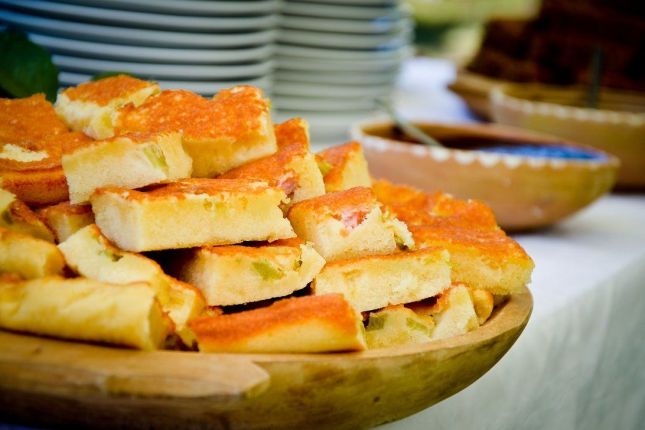
Casa Wagner earned a respectable 3.5/5. The food was undeniably authentic, but it lacked a certain finesse, a refinement that I've come to expect. “Authentic is one thing, delicious is another," I mused. "This… resides somewhere in the middle." Casa Wagner restaurant mămăligă review - A delightful place with some caveats. If you are visiting Sighisoara Medieval Festival food is plentiful, but Casa Wagner is the place to go.
Wine, Beer, and a Sigh of (Relative) Contentment
Sampling the local wines and beers proved to be another exercise in recalibrating my expectations. The Fetească Neagră wine from Dealu Mare, with its plum and spice notes, was surprisingly palatable. And the Ursus Premium beer? Well, I suspected it would be "the only thing he enjoys," and, surprisingly, it was quite refreshing. Best Transylvanian wine tasting tours are available in Dealu Mare, you will not be disappointed!
Carpathian Majesty: A Landscape of Brooding Beauty
Venturing into the Carpathian Mountains was a sensory experience unlike any other. Dense forests carpeted the steep slopes, mist clung to the peaks, and a stormy sky loomed overhead. The feeling of being alone in the wilderness was both exhilarating and unsettling. The only sound was the wind rustling through the trees, a symphony of nature that drowned out the noise of the modern world. The ground was muddy, the slick earth squishing between my fingers as I steadied myself on the trail. It was raw, untamed, and undeniably beautiful. Carpathian Mountains hiking and culture go hand-in-hand in the region.
A Linguistic Mishap
Of course, no trip is complete without a moment of utter humiliation. My attempt to order "apa" (water) in a restaurant, armed with my limited Romanian, went predictably awry. "Apa, va rog... uh, do you speak English?" I stammered, met with a waiter's blank stare. Apparently, my refined palate did not extend to mastering the local language.
Discover Transylvania Culinary Tourism
Despite my initial skepticism and occasional culinary misadventures, I found myself developing a newfound appreciation for Transylvanian culture. If you're looking to embark on your own culinary journey, I highly recommend checking out Transylvania Culinary Tours [transylvaniaculinarytours.com]. They focus on authentic, local experiences, offering a unique perspective on this fascinating region. The best Transylvania culinary tours for foodies.
Now, dear readers, I pose a question: What's the most disgusting food you've ever eaten? Share your tales of culinary woe in the comments below!
While my journey started with skepticism, I've developed a newfound appreciation for Transylvanian culture (even if I still think the mămăligă is weird).
Anton Dubois' closing thought: "Transylvania: surprisingly… palatable."