Transformative Solo Retreats: Find Yourself in M...
Seeking profound introspection and artistic self-discovery? Look no further than the stark beauty and profound silence of the world's most minimalist desert landscapes. A solo desert retreat offers an unparalleled opportunity to disconnect from the noise of modern life and reconnect with your inner self. These quiet desert experiences foster creativity, promote healing, and invite deep contemplation. Uncover your potential in the stillness with these unique, transformative experiences.
Death Valley, USA: Vipassana Walking Meditation
Death Valley's austere and unforgiving landscape provides the perfect setting for Vipassana walking meditation. The emptiness and silence amplify the introspective nature of the practice, allowing you to observe your thoughts and sensations with heightened awareness. This is a space where you can learn how to find peace on a solo desert retreat.
The Practice of Vipassana Walking Meditation
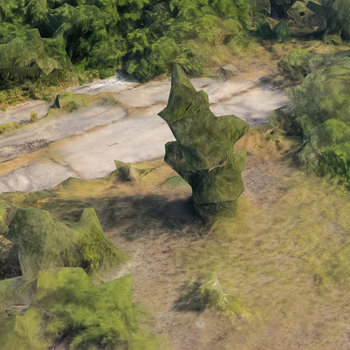
To begin, stand tall with your feet shoulder-width apart. Gaze softly at a point a few feet ahead on the ground. Lift your right foot, noting the intention to lift, then the lifting itself, then the feeling of the foot rising. Move the foot forward, noticing the intention, movement, and sensation of placing the foot down. Repeat with the left foot. Continue slowly and deliberately, maintaining focus on each sensation. When thoughts arise, gently acknowledge them and return your attention to the walking. Practice for 30 minutes, focusing on the impermanent nature of sensation. Feel the sun on your skin, the grit of sand underfoot, the air in your lungs, and how each sensation transforms in the present moment. This creates a desert silence meditation that connects you with your inner being.
Artistic Exploration: Mindful Desert Journaling
Capture your emotional responses to Death Valley through mindful desert journaling. Use a Moleskine notebook and a black fine-tip pen. Consider these prompts: "What specific sounds do you hear in the silence?", "How does the vastness of Death Valley make you feel insignificant?", "What colors are dominant in the landscape, and what emotions do they evoke?". This desert-inspired creative retreat will help you express yourself in unexpected ways.
Ethical Considerations for Death Valley
Pack out all trash, stay on established trails, avoid disturbing wildlife, and respect the fragility of the desert ecosystem. Adhere to the "Leave No Trace" principles: plan ahead and prepare, travel and camp on durable surfaces, dispose of waste properly, leave what you find, minimize campfire impacts, respect wildlife, and be considerate of other visitors. It is vital that these quiet desert experiences do not negatively impact the environment.
Responsible Tourism in Death Valley
Donate to the Death Valley Natural History Association (dvpha.org) to support their conservation efforts. Consider volunteering during their annual cleanup event.
Gobi Desert, Mongolia: Butoh Dance as Connection
Transformative solo travel experiences in the desert are amplified in the Gobi Desert, Mongolia, where the dramatic landscape serves as a stage for Butoh dance, exploring themes of transience, impermanence, and connection to the earth.
Butoh Movement in the Desert
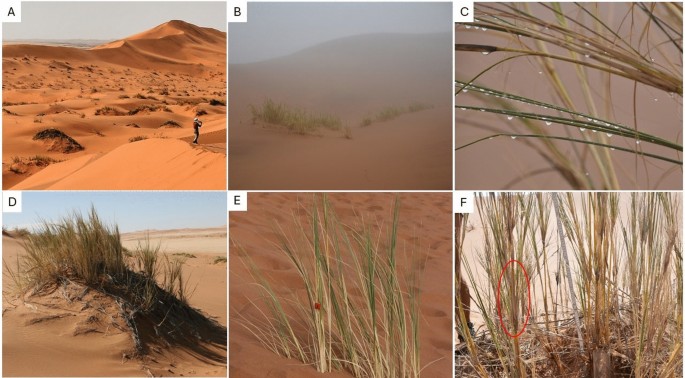
Remove your shoes to connect with the sand. Begin with slow, deliberate movements, focusing on your breath. Imagine your body as a decaying plant, mirroring its fragility and resilience. Extend your arms outward, mimicking the shape of a stunted desert bush. Twist your body slowly, exploring the grotesque and the beautiful in equal measure. Engage with the harshness and beauty of the landscape. Hold the stance of a gnarled desert shrub. Imagine you are the wind, or a camel, or the sun. Allow emotions to flow, expressing sadness, anger, joy, or longing. How does Butoh dance connect to the desert landscape? It reveals the shared vulnerability and strength of both.
Land Art in the Gobi: Ephemeral Sculpture
Create ephemeral sculptures using materials found in the desert: small rocks, dried plants, and sand. Build miniature cairns mirroring the landscape, carefully balancing each stone. Create sand mandalas with geometric patterns, using sticks to draw intricate designs. Document the sculptures with photographs before allowing the wind to erase them. Seek inspiration from Andy Goldsworthy's Stone Balance series. These works highlight the healing power of desert solitude.
Ethical Considerations for the Gobi Desert
Avoid disturbing vegetation, respect sacred sites and ovoos (stone shrines), and do not collect or remove any natural materials (rocks, plants, fossils). Always obtain permission from local herders before entering their land.
Responsible Tourism in Mongolia
Book through Nomadic Expeditions (nomadicexpeditions.com), a Mongolian tour operator committed to sustainable tourism, hiring local guides, using ger camps with eco-friendly practices, and supporting community projects.
Sahara Desert, Morocco: Sufi Whirling and Sand Drawings
Experience Sufi whirling as a meditative practice in the vastness of the Sahara, connecting to the infinite and transcending the ego. The Sahara offers a unique opportunity for a spiritual desert getaway.
Sufi Whirling in the Sahara
Stand in a circle with your feet shoulder-width apart. Ground your weight evenly. Close your eyes or soften your gaze. Raise your right arm to the sky, palm facing upward, symbolizing receiving divine grace. Extend your left arm downward, palm facing downward, symbolizing grounding and giving back. Begin to turn slowly to the left, allowing the movement to arise from the center of your being. Gradually increase your speed, surrendering to the whirling motion. Maintain a sense of centeredness and balance. Let go of thoughts and distractions. Continue for 10-15 minutes, or until you feel a sense of transcendence.
Jim Denevan-Style Sand Drawings
Create Jim Denevan-style sand drawings using a rake or stick. Design geometric patterns that reflect the vastness and emptiness of the desert. Consider spiral designs, geometric fractals, and representations of celestial bodies. Focus on the meditative aspect of the process, allowing the repetition of lines and shapes to calm your mind. Photograph the finished drawings before they are erased by the wind, capturing the fleeting beauty of your creation.
Ethical Considerations for the Sahara Desert
Respect local customs and traditions, especially during interactions with Bedouin communities. Dress modestly, ask permission before taking photographs, and avoid public displays of affection. Learning basic Arabic phrases is also recommended. Are desert retreats safe for solo travelers? Yes, with appropriate respect and preparation.
Responsible Tourism in Morocco
Book a tour with Desert Majesty (desertmajesty.com), a Bedouin-owned tour company that provides authentic cultural experiences and supports the local economy. Participate in a traditional tea ceremony with a Bedouin family.
Minimalist Desert Journaling
Minimalist desert journaling is a powerful tool for introspection during a solo retreat. Use a simple pencil and a small, rugged notebook.
Journaling Prompts for Self-Discovery
Consider these prompts: "Describe the texture of the sand beneath your feet. What emotions does that tactile sensation evoke?", "Write a haiku about the silence of the desert at night.", "If you could leave one object behind in the desert as a symbol of something you're letting go of, what would it be and why?".
Desert Stillness: A Viral Video Concept
This viral video concept, titled "Desert Stillness," explores abstract movement in the desert, reflecting the internal journey of self-discovery.
Video Synopsis
A time-lapse shows the wind rapidly sculpting patterns into the sand. A single, weathered hand bursts through the shifting dunes, reaching towards the blinding sun. The camera orbits slowly around a figure performing slow, deliberate Butoh-inspired movements against the vast, empty backdrop of the Sahara. The hand traces spiraling patterns in the sand, creating a fleeting mandala. A body, draped in flowing white fabric, whirls in the distance, appearing as a solitary dust devil. A figure, balancing precariously on a towering sand dune, carefully stacks stones, creating a precarious cairn against the blazing sunset. Each scene seamlessly blends to the next using slow-motion dissolves. The video ends with an extreme close-up of an eye opening, reflecting the endless expanse of the desert sky within its depths, then closing, as if in meditation.
Desert Flora and Fauna: Inspiration and Resilience
Studying and sketching desert flora and fauna can deepen your connection to the landscape and inspire self-reflection. Examples include the Saguaro cactus (Carnegiea gigantea) in Arizona, the desert tortoise (Gopherus agassizii) in the Mojave Desert, the fennec fox (Vulpes zerda) in the Sahara, the welwitschia mirabilis in the Namib Desert, and the Arabian oryx (Oryx leucoryx) in the Arabian Desert.
Lessons from Desert Life
Focus on physical adaptations to the desert environment, such as the saguaro's water storage capacity, the tortoise's burrowing behavior, and the fennec fox's large ears for heat dissipation. How does the welwitschia's resilience after thousands of years inform your own? What can you learn about conservation from the Arabian Oryx?
A solo desert retreat offers a unique and powerful opportunity for introspection, artistic self-discovery, and connection to nature. Whether through Vipassana walking meditation in Death Valley, Butoh dance in the Gobi Desert, or Sufi whirling in the Sahara, the minimalist desert landscape provides the perfect setting to disconnect from the distractions of modern life and reconnect with your inner self. What are the benefits of a solo desert retreat? Deep reflection, creative inspiration, and a profound sense of peace. Browse Vistalocation for available desert stays and begin your transformative journey today.