Transformative Sea Adventures: Explore Science a...
Embark on science-focused sea expeditions that redefine travel. VistaLocation.com invites you to discover a new dimension of adventure – one that combines breathtaking experiences with meaningful contributions to conservation travel experiences. Journey to the remote landscapes of Antarctica, the vibrant waters of Hawaii, and the shark-rich coasts of South Africa, not just as a tourist, but as a participant in groundbreaking research. These Antarctica Hawaii South Africa eco tours provide unique educational sea adventures, offering unparalleled opportunities to connect with the natural world while actively supporting its protection. Forget ordinary vacations; immerse yourself in transformative sea adventures where discovery meets conservation.
Hurtigruten Science Cruises: Unveiling Antarctica's Secrets
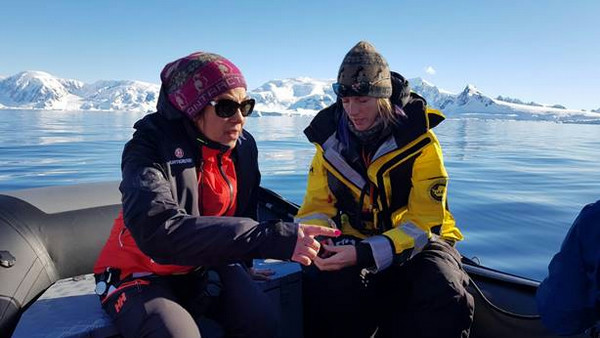
Imagine yourself contributing to vital scientific research while surrounded by the awe-inspiring beauty of Antarctica. Hurtigruten Expeditions offers exactly this, transforming the traditional cruise into a Hurtigruten science cruises Antarctica experience. Passengers become active participants in citizen science travel Antarctica Hawaii South Africa, assisting researchers in projects that monitor whale populations and analyze plankton samples. The scientific work conducted alongside researchers provides insights into this remote ecosystem.
Contributing to Antarctic Research
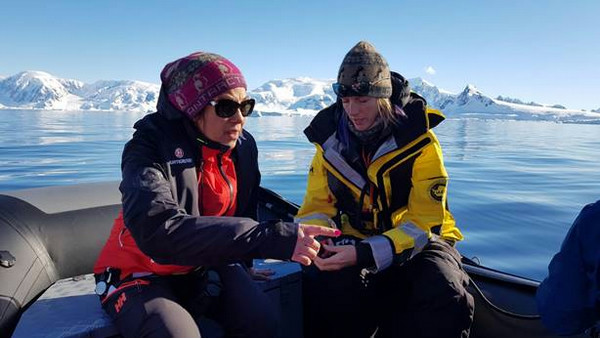
Onboard Hurtigruten expeditions, you can actively participate in:
- Whale identification: Help researchers identify and track different whale species through photo identification.
- Plankton sampling: Collect plankton samples, contributing to studies on the base of the Antarctic food web.
- Cloud observation: Record cloud data used to validate climate models.
This is more than just a trip; it's an opportunity to contribute to crucial research. Hurtigruten partners with multiple research and educational organizations to bring citizen science to its guests. The data collected by passengers assists scientists in understanding the effects of climate change on this vulnerable ecosystem.
Understanding Climate Change Impact
The Antarctic ecosystem is particularly sensitive to the effects of climate change. Rising temperatures are causing ice shelves to melt at an alarming rate, impacting wildlife habitats and global sea levels. Scientists on Hurtigruten expeditions are studying these changes firsthand, collecting data on ice thickness, ocean temperatures, and wildlife populations. Their findings are crucial for informing conservation efforts and policies.
Learn more about the Antarctic Treaty System, which governs activities in Antarctica, by visiting ats.aq. Further information on Antarctic research and scientific initiatives can be found at the Scientific Committee on Antarctic Research (SCAR): scar.org. This supports the sustainable tourism experiences Antarctica.
What marine research happens on Hurtigruten Antarctica cruises? Passengers can participate in whale identification, plankton sampling, and cloud observation, directly assisting scientists in data collection and analysis.
Kona, Hawaii: Manta Ray Night Dive and Conservation
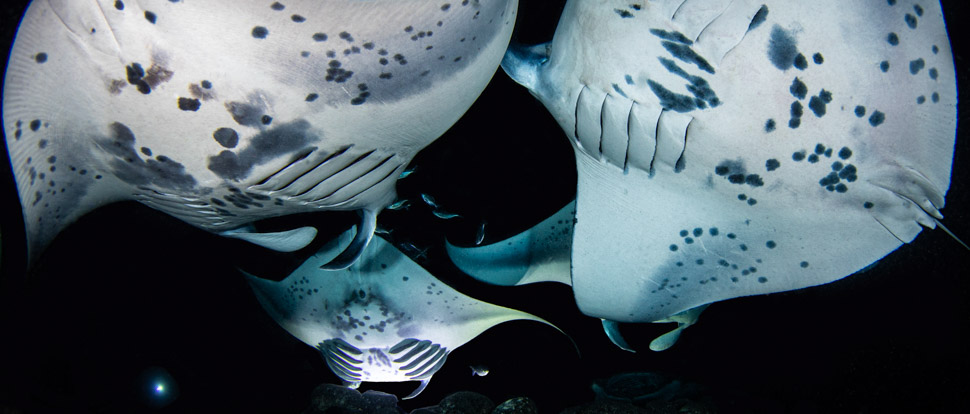
Experience the magic of a guided night freediving experience with manta rays in Kona, Hawaii. As darkness falls, the ocean comes alive with bioluminescence, creating a mesmerizing spectacle that attracts these gentle giants. This is a truly unique and responsible marine tourism encounter.
Witnessing Bioluminescence
The waters off Kona are renowned for their vibrant bioluminescence. Microscopic organisms emit light, creating a dazzling display that draws manta rays to feed. This natural phenomenon provides a unique opportunity to observe manta ray behavior in their natural habitat during a manta ray night dive Kona conservation effort.
Supporting Manta Ray Research
The Manta Pacific Research Foundation (mantapacific.org) is dedicated to studying and protecting manta rays in the Pacific Ocean. Their research focuses on:
- Understanding manta ray behavior and ecology
- Monitoring manta ray populations
- Promoting responsible tourism practices
By participating in a guided night dive, you're indirectly supporting the foundation's vital work. Responsible tour operators adhere to strict guidelines to minimize disturbance to manta rays and their habitat.
How to participate in manta ray research during Kona night dives: By choosing reputable tour operators who work with the Manta Pacific Research Foundation and follow responsible diving practices, you are supporting data collection and manta ray conservation efforts.
Responsible Freediving Practices
Protecting manta rays and their environment is paramount. When freediving with manta rays, it's crucial to:
- Maintain a respectful distance
- Avoid touching or harassing the animals
- Use reef-safe sunscreen
- Follow the instructions of your guide
These practices help ensure the long-term health and well-being of manta ray populations.
Gansbaai, South Africa: Great White Shark Cage Diving and Ecotourism
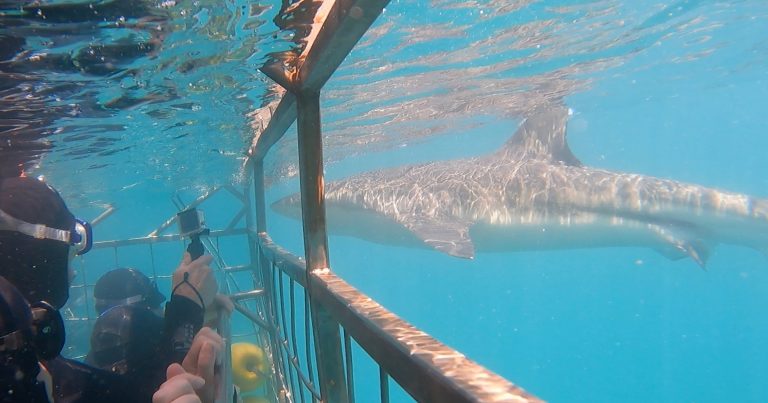
Venture to Gansbaai, South Africa, for an unforgettable cage diving experience with Great White Sharks. This isn't just about adrenaline; it's about contributing to shark research and conservation efforts and ethical wildlife tourism.
Supporting Shark Conservation through Ecotourism
Cage diving with Great White Sharks plays a crucial role in shark conservation. Responsible operators work closely with organizations like the Dyer Island Conservation Trust (dict.org.za) to collect valuable data on shark behavior and population dynamics.
Research and Monitoring
The Dyer Island Conservation Trust conducts various research projects, including:
- Shark tagging: Tagging sharks with acoustic and satellite transmitters to track their movements and habitat use.
- Behavioral monitoring: Observing shark behavior during cage diving expeditions to understand their interactions with humans.
- Population assessments: Estimating the size and health of Great White Shark populations.
This information is crucial for developing effective conservation strategies.
Understanding Great White Sharks
Great White Sharks are apex predators that play a vital role in maintaining the health of marine ecosystems. They face numerous threats, including overfishing, habitat destruction, and negative perceptions fueled by sensationalized media coverage. Shark cage diving ecotourism, when conducted responsibly, can help shift these perceptions and generate funding for conservation efforts.
The anatomy of the great white shark is fascinating. They are known for their powerful jaws, serrated teeth, and streamlined bodies, perfectly adapted for hunting.
The Importance of Shark Conservation
Protecting Great White Sharks is crucial for the health of our oceans. These apex predators help regulate fish populations and maintain the balance of the marine food web. By supporting responsible shark cage diving operators and conservation organizations, you can contribute to the long-term survival of these magnificent creatures. Is shark cage diving in Gansbaai ethical for Great White Sharks? When performed by operators following strict ethical guidelines and supporting research, cage diving can contribute to shark conservation by raising awareness and generating funds.
Conclusion: Your Role in Marine Conservation
These transformative sea adventures offer more than just unforgettable experiences; they provide opportunities to actively contribute to marine conservation. By choosing responsible tour operators and supporting research organizations, you can make a positive impact on the health of our oceans and the creatures that inhabit them. Explore the wonders of Antarctica, Hawaii, and South Africa, and become a part of the citizen science travel Antarctica Hawaii South Africa movement. Consider planning your sea conservation holidays today.