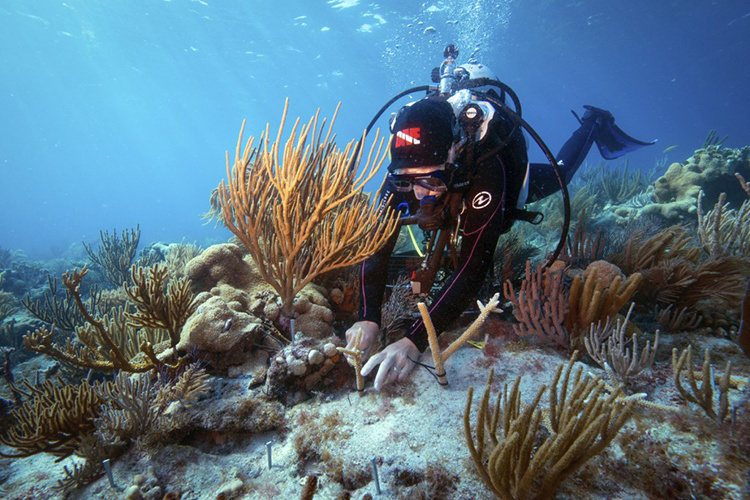
Transformative Citizen Science Sea Tourism: Cont...
Imagine your next vacation not just as a relaxing getaway, but as an opportunity to actively contribute to the preservation of our planet’s oceans. Citizen science tourism is a rapidly growing trend, empowering environmentally conscious travelers like you to participate in real marine conservation efforts. From tagging manta rays in Australia to protecting sea turtle nests in Costa Rica and restoring coral reefs in Florida, your journey can make a tangible difference. This blog post explores transformative citizen science sea tourism opportunities that connect your passion for travel with the vital work of marine conservation.
Manta Ray Tagging in Ningaloo Reef, Australia
The Ningaloo Reef, a UNESCO World Heritage site in Western Australia, is home to a significant population of manta rays. Participating in manta ray tagging expeditions offers a unique and rewarding experience. You can join organizations like the Manta Trust on expeditions where you'll learn to identify individual manta rays based on their unique spot patterns, collect data on their behavior and movements, and even assist researchers in deploying satellite tags. This data helps scientists understand manta ray populations and migration.
The Experience
Imagine the thrill of spotting a majestic manta ray gliding gracefully through the water. As part of the expedition team, you'll spend several hours on a boat, assisting researchers in identifying and photographing these gentle giants. With patience and observation skills, you'll learn to distinguish individual manta rays and record valuable data about their behavior. Keep in mind that swimming proficiency and the ability to spend several hours on a boat are required for these expeditions.
Scientific Impact
The data collected by citizen scientists plays a crucial role in the research efforts of Dr. Andrea Marshall and the Manta Trust. This information helps them understand manta ray populations, migration patterns, and the threats they face. For instance, citizen science data has influenced marine park zoning in Ningaloo Reef and helped inform fishing regulations to protect manta ray habitats.
"Citizen science provides an invaluable resource in manta ray conservation efforts. The sheer volume of data we can collect with the help of dedicated volunteers significantly enhances our understanding of these magnificent creatures and their needs," says Dr. Andrea Marshall (adjusted quote).
You can find out more about manta ray tagging tours at the Manta Trust website or through various tour operators in Exmouth, the gateway to Ningaloo Reef.
Gear Guide
- Essential: Reef-safe sunscreen, hat, sunglasses, reusable water bottle, waterproof camera.
- Optional: Snorkeling gear (can often be rented), seasickness medication.
Sea Turtle Nesting Patrols in Costa Rica
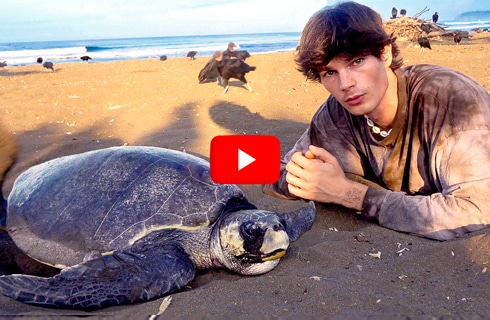
Costa Rica, renowned for its rich biodiversity, is a critical nesting site for several species of sea turtles. Joining nightly sea turtle nesting patrols offers a powerful way to contribute to their conservation. Organizations like LAST (Latin American Sea Turtles) organize patrols where volunteers monitor beaches for nesting turtles, protect nests from predators, and collect vital data on nesting activity.
The Experience
Picture yourself walking along a dark beach under the starlit sky, searching for signs of nesting sea turtles. As part of a patrol team, you'll carefully monitor the shoreline, looking for tracks left by nesting females. Once a turtle is found, you'll assist in protecting her nest from predators and recording important data, such as the species of turtle, the number of eggs laid, and the location of the nest. Moderate physical fitness is required, as these patrols involve walking long distances on beaches at night.

Scientific Impact
The data collected during these patrols is crucial for tracking sea turtle populations, identifying nesting hotspots, and implementing effective conservation strategies. This information has directly influenced the establishment of protected areas and helped reduce poaching in key nesting regions.
According to Emma Harrison (adjusted quote), "The hands-on assistance of volunteers is invaluable in our sea turtle conservation efforts. Their dedication allows us to gather crucial data and protect nests, ensuring future generations of these amazing creatures have a chance to thrive."
To get involved, visit the LAST website or explore opportunities with local conservation projects in Costa Rica.
Gear Guide
- Essential: Sturdy hiking boots or closed-toe shoes, long pants and long-sleeved shirt (to protect against insects), insect repellent, headlamp or flashlight with a red filter (to avoid disturbing the turtles), rain gear.
Coral Restoration in the Florida Keys
The coral reefs of the Florida Keys have suffered significant damage due to pollution, climate change, and other factors. You can become part of the solution by participating in coral restoration dives. The Coral Restoration Foundation offers programs where volunteers learn to fragment coral, attach them to coral trees, and transplant them onto degraded reefs. This hands-on experience helps to rebuild and revitalize these vital ecosystems.
The Experience
Imagine yourself diving beneath the waves, surrounded by the vibrant colors of a coral reef. As a coral restoration volunteer, you'll learn the techniques of coral gardening, helping to grow and transplant coral fragments onto damaged reefs. You'll participate in all stages of the restoration process, from fragmenting coral to attaching them to coral trees and ultimately transplanting them onto the reef. A scuba diving certification is required for this activity.

Scientific Impact
The data collected by citizen scientists allows the Coral Restoration Foundation to monitor the health and growth of transplanted coral, assess the effectiveness of restoration techniques, and track the recovery of coral reefs. This data has contributed to identifying the most resilient coral genotypes and optimizing restoration strategies.
"Volunteers are absolutely critical to our coral restoration efforts. They provide the manpower and dedication necessary to scale up our operations and make a real difference in the health of our reefs," explains Alice Graff (adjusted quote).
Learn more and book your coral restoration dive at the Coral Restoration Foundation website or through participating dive operators in the Florida Keys.
Gear Guide
- Essential: Scuba diving certification, dive gear (can be rented), reef-safe sunscreen.
Challenges of Citizen Science
While citizen science offers incredible opportunities, it also presents challenges. Data quality control is crucial, requiring rigorous training programs and validation protocols. The potential for disturbance to wildlife must be carefully managed through ethical guidelines for interacting with animals. Finally, ensuring long-term project sustainability requires community engagement and consistent funding.
Organizations like the Manta Trust, LAST, and the Coral Restoration Foundation address these challenges through comprehensive volunteer training, strict data collection protocols, and close collaboration with local communities. These measures ensure the integrity of the data and minimize the impact on the environment.
Skills Learned Citizen Science Projects
Participants can learn valuable skills like data collection, species identification, and habitat analysis. This experience can be particularly beneficial for students or individuals interested in pursuing careers in marine biology or conservation.
Family Citizen Science Sea Adventures
Many citizen science projects are suitable for families with children, providing a unique educational opportunity and fostering a love for the ocean.
Gear Guides for Citizen Science Tourism
Choosing the right gear is essential for a successful and enjoyable citizen science experience. Each project has specific needs, so consider the activity, location, and duration when packing.
Ningaloo Reef Manta Ray Tagging: Bring reef-safe sunscreen, a hat, sunglasses, and a reusable water bottle to protect yourself from the sun. A waterproof camera will allow you to capture unforgettable moments.
Costa Rica Sea Turtle Nesting Patrols: Sturdy hiking boots are essential for navigating sandy beaches at night. Long pants and a long-sleeved shirt will protect you from insects, and a headlamp with a red filter will help you see without disturbing the turtles.
Florida Keys Coral Restoration: A scuba diving certification and appropriate dive gear are required for coral restoration dives. Remember to use reef-safe sunscreen to protect the delicate coral ecosystems.
Ethical Considerations in Marine Tourism
Engaging in ethical sea tourism is crucial to minimize negative impacts and maximize positive contributions to marine conservation. Respecting wildlife, supporting local communities, and choosing sustainable practices are essential aspects of responsible travel.
Sustainable Tourism Ocean Research
By choosing sustainable tourism options that prioritize ocean research and conservation, you can support the long-term health and resilience of marine ecosystems.
Citizen Science Data Collection Methods
Understanding how data is collected and used is fundamental to citizen science. From visual surveys and photo identification to environmental monitoring and data analysis, a variety of methods are employed to gather valuable information about marine environments.
How Technology is Transforming Citizen Science
New technologies, such as mobile apps, drones, and remote sensors, are revolutionizing citizen science, enabling more efficient and accurate data collection and analysis.
Conclusion
Citizen science tourism offers a transformative way to experience the world while making a meaningful contribution to marine conservation. By participating in projects like manta ray tagging in Ningaloo Reef, sea turtle nesting patrols in Costa Rica, and coral restoration in the Florida Keys, you can directly support scientific research and conservation efforts. Embrace the opportunity to learn, explore, and protect our oceans on your next vacation. Learn more and book your transformative adventure now at vistalocation.com.