Tonga: A Journey Through Tradition, Resilience,...
Tonga, a jewel in the South Pacific, often conjures images of pristine beaches and vibrant coral reefs. While these visuals are undeniably accurate, my recent trip revealed a nation grappling with the complexities of preserving its rich cultural heritage while navigating the challenges of climate change, economic limitations and the persistent issue of waste management. From participating in ancient kava ceremonies to swimming alongside majestic humpback whales, I experienced the magic of Tonga firsthand, but also witnessed the urgent need for Tonga sustainable tourism and environmental stewardship. Come with me as I recount my journey through the Kingdom, sharing both the wonders I encountered and the critical issues that demand our attention.
Embracing Tradition: The Kava Ceremony
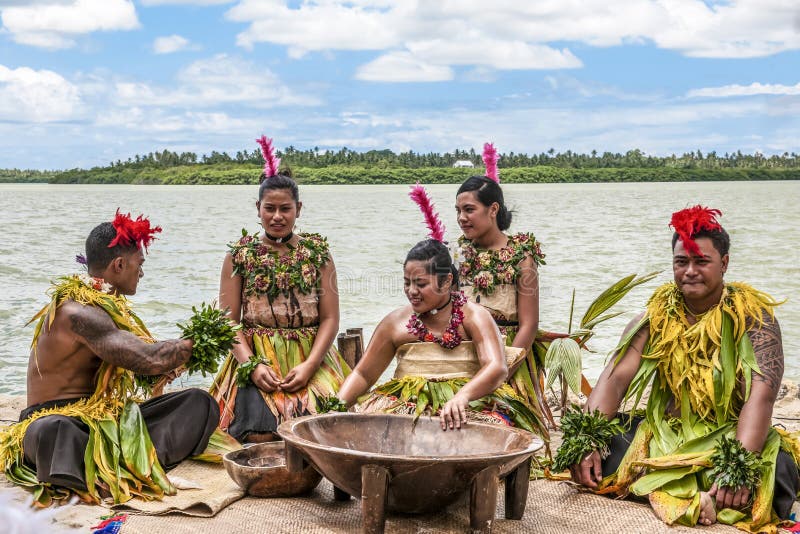
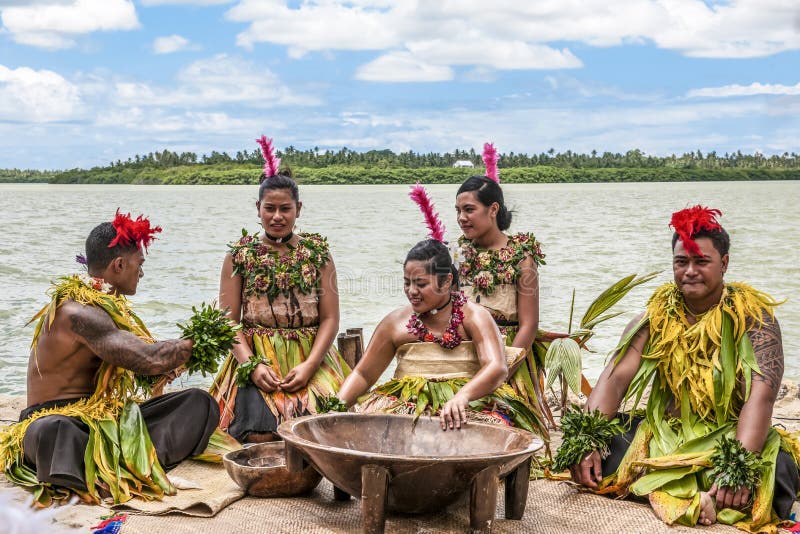
My Tongan adventure began with an invitation to participate in a traditional kava ceremony. This wasn't just a touristy performance; it was a genuine cultural experience, a deeply respectful ritual that offered a glimpse into the heart of Tongan society. The preparation of the kava root itself is a process steeped in tradition. The root, carefully selected, is pounded into a fine powder. In the past, this was done by young women using stones, but today, electric grinders are often used. The powder is then mixed with water in a large wooden bowl called a kumete.
The social protocols observed during the ceremony were just as fascinating. Seated on woven mats, we watched as the touʻa (kava mixer) expertly strained the mixture, ensuring it was free of any sediment. The first cup, offered to the highest-ranking member present, is a symbol of respect and honor. Each person receives their cup in turn, clapping once before and after receiving the kava. The taste, earthy and slightly bitter, is an acquired one, but the sense of connection and shared heritage made it a truly special experience—an example of Tonga Kava Ceremony cultural significance.
An Unforgettable Encounter: Swimming with Humpback Whales
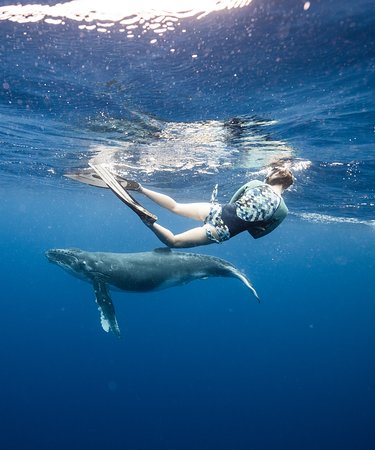
One of the highlights of my trip was undoubtedly swimming with humpback whales in Vava'u. This experience is truly breathtaking, but it's crucial to choose tour operators committed to ethical whale watching practices. I researched extensively before selecting Whale Discoveries and Deep Blue Diving, both known for their respect for these gentle giants.
The experience itself is difficult to describe. To be in the water, witnessing these enormous creatures glide effortlessly through the ocean, is both humbling and awe-inspiring. The operators were careful to maintain a respectful distance, allowing the whales to approach us on their own terms. They also provided thorough briefings on how to behave in the water to minimize any disturbance. With the boom in tourism, swimming humpback whales Tonga ethical concerns become even more pressing.
The Art of Tapa: Weaving Culture into Cloth
Tongan culture is rich with artistic traditions, and one of the most striking is the creation of tapa cloth, or hiapo. Made from the bark of the mulberry tree, tapa is far more than just fabric; it’s a living testament to Tongan history and identity. The process begins with carefully stripping the bark, then soaking and beating it until it forms a thin, pliable sheet. These sheets are then joined together, often with natural adhesives, to create larger pieces.
The intricate designs, often geometric patterns and depictions of plants and animals, are painted onto the tapa using natural dyes. Traditionally, tapa was used for ceremonial clothing, bedding, and as a form of currency. Today, it continues to play an important role in Tongan ceremonies and is also a significant part of the local economy, with tapa sold as souvenirs and used in contemporary art. You can find authentic Tonga handicraft traditions alive and well.
A Culinary Journey: Savoring Tongan Flavors
No trip to Tonga would be complete without indulging in the local cuisine. In Nuku'alofa, I discovered a charming local restaurant where I savored ‘ota ‘ika, a Tongan ceviche made with raw fish marinated in coconut cream, lime juice, and fresh vegetables. The combination of flavors was simply divine.
But the true culinary highlight was attending a traditional Tongan feast, where I tasted lu pulu. This dish consists of meat (usually corned beef or mutton) wrapped in taro leaves and baked in an ‘umu, an underground oven. The smoky flavor and the tenderness of the meat were unforgettable. The preparation and consumption of food in Tonga are deeply intertwined with their culture and social interactions.
Cyclone Gita: A Nation Tested
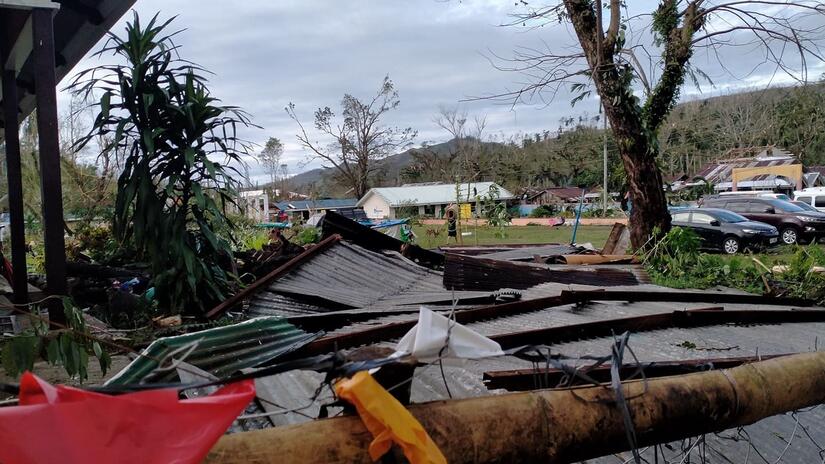
While Tonga is undeniably beautiful, it's impossible to ignore the challenges the nation faces, particularly in the wake of natural disasters. Cyclone Gita, which struck in 2018, had a devastating impact on Tonga’s infrastructure and agriculture. Near Nuku'alofa, I saw visible signs of the damage: damaged buildings, homes still under repair, and the lingering effects of saltwater intrusion into farmland. The scale of the devastation was truly sobering.
The effects of Tonga Cyclone Gita recovery efforts are still felt across the island. Roads and buildings are still being rebuilt, and agricultural yields are affected by saltwater that seeped into the soil.
The Tonga National Youth Congress: A Beacon of Hope
Despite these challenges, I was inspired by the resilience and determination of the Tongan people, particularly the younger generation. The Tonga National Youth Congress is playing a vital role in promoting environmental awareness and sustainable development among young people. They organize workshops, clean-up campaigns, and educational programs, empowering young Tongans to become agents of change. They also provide information on Tonga climate change impacts, so they understand the importance of the problem.
Sustainable Tourism: A Path Forward
One of the most impactful ways to support Tonga is through sustainable tourism. I highly recommend supporting locally owned guesthouses and eco-lodges on islands like ‘Eua. These establishments not only provide authentic experiences but also contribute directly to the local economy and have a reduced environmental impact compared to large resorts. By staying in an eco lodge in 'Eua Tonga reducing environmental impact, you are supporting the area directly.
During my trip, I made a conscious effort to minimize my environmental footprint. I packed plastic-free shampoo bars from Ethique and other eco-friendly toiletries. Small changes like these can make a big difference. Be sure to look into plastic-free travel tips for visiting Tonga.
Environmental Challenges: Coral Mining and Plastic Waste
Tonga faces significant environmental challenges, including the legacy of coral mining. Historically, coral was used as a building material, but this practice has severely damaged Tongan reefs. The Ministry of Lands and Natural Resources is actively promoting sustainable alternatives, but the damage is already done. Efforts have been slow and need to increase development to achieve a healthier ecosystem.
Another pressing issue is plastic waste management. Given Tonga’s remote island location and limited recycling infrastructure, managing plastic waste is a monumental task. However, local NGOs are stepping up to the challenge. One organization, Make Tonga Green, is turning recycled plastics into art and construction material, demonstrating innovative solutions to this problem. Tackling Tonga plastic waste solutions is an ongoing project.
Exploring 'Eua National Park
For nature enthusiasts, a visit to 'Eua National Park is a must. This protected area boasts lush rainforest, dramatic sinkholes, and breathtaking cliffs overlooking the ocean. It's a paradise for hikers and birdwatchers, offering a glimpse into Tonga's natural beauty beyond its beaches.
Tonga: Whispers of Change (Viral Video Concept)
Imagine a short, captivating video titled "Tonga: Whispers of Change" designed to go viral.
HOOK (0-1 second): Open with a captivating aerial drone shot of a pristine Tongan beach immediately juxtaposed with a rapidly accumulating pile of plastic waste.
SCENE 1 (1-3 seconds): Transition to a scene showing a group of Tongan women meticulously handcrafting tapa cloth using traditional methods.
SCENE 2 (3-5 seconds): Cut this against a low-cost home construction scene constructed from plastic bottles outside Nuku’alofa.
TWIST (5-7 seconds): Suddenly, cut to a shot of children dancing under solar panels at the Tonga National Youth Congress headquarters, juxtaposed with a shot of an elder shaking his head. Add text overlay: "Tradition or progress. Which path will Tonga choose?"
END (7-8 seconds): Finish with a serene wide shot of the sunset across the Tongan islands, fading to black.
VIRAL ELEMENTS:
- SURPRISE: Juxtaposition of pristine beauty with overwhelming plastic pollution and then local tradition juxtaposed with modern building techniques.
- CLARITY: Immediately shows the tension between environmental challenges, cultural preservation, and modernization.
- EMOTION: Evokes hope and concern for Tonga's future.
- VISUAL STYLE: Cinematic and documentary style.
TECHNICAL SPECIFICATIONS:
- CAMERA WORK: Drone shots, slow-motion, close-ups, wide-angle.
- LIGHTING: Natural lighting, dramatic shadows.
- COMPOSITION: Juxtaposition of contrasting scenes, focus on detail.
- QUALITY: Cinematic 4K.
PACING & STRUCTURE:
- Begin with the plastic waste (hook).
- Rapidly show the tapa cloth making and the children under solar panels.
- End with the question of tradition versus progress.
A Call to Action
My journey through Tonga was a powerful reminder of the interconnectedness of culture, environment, and economy. As travelers, we have a responsibility to be mindful of our impact and to support initiatives that promote sustainability and resilience. Let's leave places better than we found them.
I urge you to consider donating to the Tonga National Youth Congress (https://www.facebook.com/TNYC90/) or a similar organization working to empower young Tongans and protect the environment. You can also make a difference by supporting locally owned businesses, choosing eco-friendly accommodations, and offsetting your carbon emissions. By choosing ethical swimming humpback whales Tonga ethical concerns, you can provide resources to the community. Let us all strive to be responsible travelers, ensuring that the whispers of change in Tonga become a resounding chorus of sustainability and hope. You can also research ways to answer, "How can I support sustainable tourism in Tonga?"