Titicaca's Treasures: A Marine Biologist's Journ...
Lake Titicaca. The name alone conjures images of mystery and ancient civilizations. As a marine biologist, I'm usually drawn to oceans, but the allure of this high-altitude lake, straddling the border of Peru and Bolivia, was too strong to resist. This wasn't just a vacation; it was a journey into a unique ecosystem, a vibrant culture, and a starkly beautiful landscape. Join me, Isabella Rodriguez, as I recount my recent adventure exploring Titicaca's treasures and share insights into responsible travel in this extraordinary region. I’ll also share how you can minimize your environmental impact while supporting local communities, leaving you with the inspiration to plan your own responsible Lake Titicaca travel.
The altiplano hit me first – a vast, high plateau stretching as far as the eye could see. The air was thin, the sun intense, and the landscape, though barren at first glance, was imbued with a certain stark beauty. Brown, windswept hills met a seemingly endless blue sky, creating a sense of immense scale and quiet solitude. It was a world away from the bustling coastal cities I was used to.
The Floating World of the Uros Islands
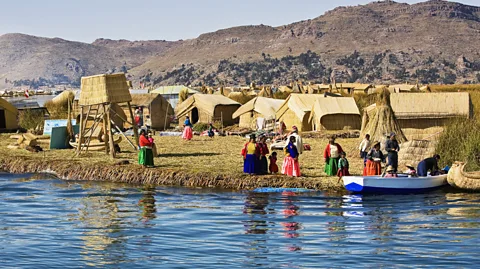
Then came the lake itself – an expanse of shimmering water reflecting the sky. My first destination was the Uros Islands Titicaca, a truly remarkable feat of human ingenuity. These aren't natural islands; they're entirely constructed from totora reeds, a type of sedge that grows abundantly in the lake. The Uros people, who predate the Inca, began building these islands centuries ago as a means of isolating themselves from mainland conflicts.
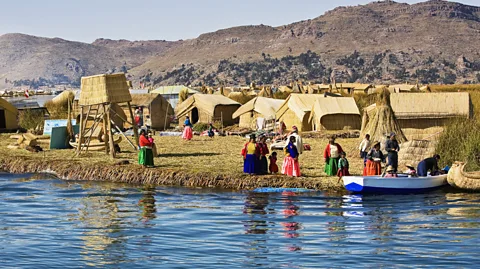
Stepping onto an island is a unique sensation – a spongy, uneven surface that feels almost alive. The reeds are constantly replenished as the bottom layers decompose, a never-ending cycle of construction and renewal. I was fascinated by how the Uros Islands are built, layer upon layer, creating a sustainable, albeit demanding, way of life.
I had the privilege of staying with a local Uros family. Their hospitality was overwhelming, despite the language barrier. They welcomed me into their reed house, shared their food (delicious local cheese and potatoes!), and patiently explained their daily routines. Life on the islands is simple but demanding. Fishing, weaving, and crafting souvenirs for tourists are the main sources of income. It was a privilege to learn about Aymara culture Lake Titicaca.
It's impossible to ignore the challenges faced by the Uros people. While tourism provides economic opportunities, it also brings pressure to adapt and potentially dilute their traditional way of life. Balancing cultural preservation with economic development is a constant struggle. Staying with a family Uros Islands gave me a much deeper appreciation for their resilience.
Supporting the Uros Community
If you visit, be mindful of your impact. Buy handicrafts directly from the artisans, ensuring that your money goes directly to the community. Consider a homestay to experience their culture firsthand and learn about their daily lives.
Taquile Island: Weaving Traditions and Terraced Landscapes
Next, I journeyed to Taquile Island, a stark contrast to the floating islands. Here, the landscape is dominated by terraced hillsides, a testament to the agricultural ingenuity of the Taquile people. These terraces, built by the Inca and their predecessors, prevent soil erosion and maximize arable land, allowing the islanders to cultivate crops like potatoes, quinoa, and beans.
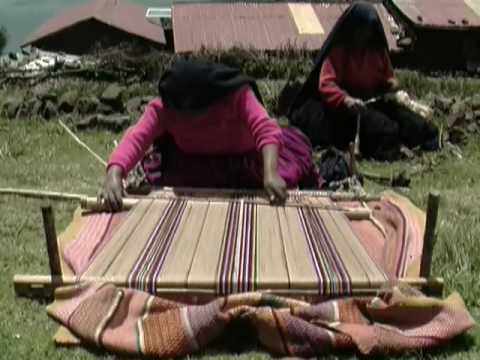
Taquile is renowned for its textiles, particularly the intricate weaving created by the men and women of the island. I participated in a Taquile Island weaving workshop and was amazed by the skill and artistry involved. Each design tells a story, reflecting the history, beliefs, and daily life of the Taquile people. The men knit the distinctive chullos (woolen hats), showcasing their marital status and social standing through the intricate patterns. I also learned the significance of Taquile Island textiles.
Lunch at a family-run restaurant was a highlight. I savored a hearty bowl of quinoa soup and freshly fried trout, caught from the lake. It was a delicious and authentic meal. The sustainability of local fishing practices is something to consider, as overfishing is a concern. Supporting restaurants that source their ingredients responsibly helps ensure the long-term health of the lake's ecosystem.
The altitude on Taquile is significant, and I definitely felt the effects. Thankfully, the local remedy of coca tea helped alleviate the symptoms. It’s a mild stimulant that is commonly used in the Andes to combat altitude sickness.
Sillustani: Echoes of the Colla People
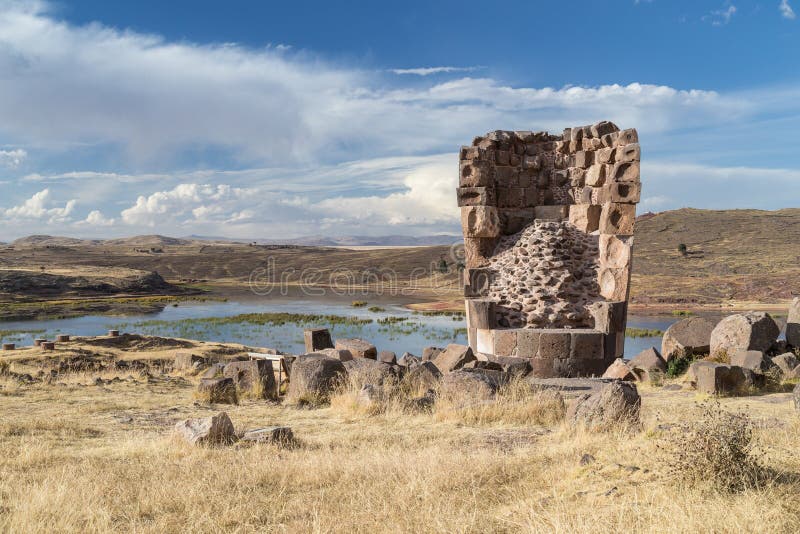
Venturing beyond the islands, I visited the pre-Incan ruins of Sillustani, located on the shores of Lake Umayo, near Puno. These towering chullpas, or funerary towers, were built by the Colla people, a civilization that predates the Inca. The structures are impressive feats of engineering, constructed from massive stone blocks fitted together with remarkable precision. Walking among these ancient tombs, I couldn't help but reflect on the history and mystery of the Colla people and Sillustani ruins Lake Titicaca.
Isla del Sol: Birthplace of the Inca Sun God
A boat trip to Isla del Sol, on the Bolivian side of the lake, was an unforgettable experience. The views of the lake and the snow-capped Andes mountains were simply breathtaking. According to Inca mythology, Isla del Sol is the birthplace of the sun god, Inti, and holds significant spiritual importance. I learned more about the Isla del Sol mythology.
The hike to the top of the island was challenging but rewarding. The Incan terraces, still used for agriculture today, are a testament to their advanced understanding of sustainable farming practices. The purpose of these terraces was to maximize arable land and prevent soil erosion.
Lake Titicaca Culture and Conservation
Lake Titicaca is more than just a beautiful destination; it's a delicate ecosystem and a living cultural landscape. The Lake Titicaca ecosystem faces numerous challenges, including pollution, overfishing, and the impacts of tourism. Supporting local conservation efforts is crucial to preserving this unique environment for future generations.
Tips for Responsible Travel
Here are some tips on how to travel responsibly in Lake Titicaca:
- Choose eco-friendly accommodations: Look for lodges and hotels that prioritize sustainability, conserve water and energy, and support local communities.
- Support local businesses: Eat at family-run restaurants, buy handicrafts directly from artisans, and use local guides.
- Minimize your environmental impact: Avoid using plastic, dispose of waste properly, and respect the natural environment.
- Learn basic phrases in Aymara or Quechua: A little effort to communicate in the local languages goes a long way in showing respect and building connections.
- Be mindful of cultural sensitivities: Dress respectfully, ask permission before taking photos, and be aware of local customs and traditions.
Understanding the Impact of Tourism
It's essential to acknowledge the complex relationship between tourism and cultural preservation. While tourism can bring economic benefits, it can also put pressure on local cultures and the environment. The best time to visit Lake Titicaca really depends on your travel goals.
The Lake Titicaca impact of tourism needs to be carefully managed to ensure that it benefits local communities without compromising their traditions or the environment.
The Lake Titicaca Preservation Society
The Lake Titicaca Preservation Society [Hypothetical URL] is a valuable resource for learning more about the region's environmental and cultural challenges. Consider supporting their work through donations or volunteering.
A Call to Action: Travel Respectfully
My journey to Lake Titicaca was a profound experience. It was a reminder of the importance of responsible travel and the power of tourism to support local communities and protect our planet.
When planning your trip, consider the impact of your travels. Choose experiences that benefit local communities, minimize your environmental footprint, and respect the culture and traditions of the people you encounter. Readers seeking truly sustainable and respectful tourism options should look for accommodations and tour operators that are certified by organizations dedicated to responsible tourism, such as the Rainforest Alliance Rainforest Alliance Certified or B Corp B Corporation Certified. These certifications mean that these businesses have been audited for their environmental and social performance.
Visit Lake Titicaca respectfully and responsibly, creating lasting memories while supporting local communities. The best Lake Titicaca tours are the ones that benefit both travelers and the local communities. Let's all strive to be conscious travelers, leaving a positive impact wherever we go.