Through the Lens: Olympic National Park's Wild H...
I almost squished it – a six-inch-long banana slug, Ariolimax columbianus, glistening like a misplaced jewel, inches from my boot. It was a stark reminder: in Olympic National Park, the wild dictates the terms. This wasn't going to be just another photography trip; it was an immersion into a realm where nature reigned supreme, and I was merely a guest, albeit one with a camera eager to document its splendor. My journey through Olympic National Park was a quest to capture its essence, from the alpine heights to the ancient rainforests, a testament to the raw beauty and biodiversity found within its borders. This blog post details my adventures photographing mountain goats, Roosevelt Elk, and fungi throughout the park!
Hurricane Ridge: Photographing Majestic Mountain Goats
My first stop was Hurricane Ridge, a subalpine area famed for its breathtaking views and abundant wildlife, specifically mountain goats (Oreamnos americanus). The allure of photographing these creatures in their natural habitat was irresistible. Planning this three-day backpacking trip required meticulous preparation. I meticulously weighed my pack, knowing every ounce would count on the steep trails. My camera gear alone – a Canon EOS 5D Mark IV with a 100-400mm lens and a 24-70mm lens – added considerable weight. Securing the necessary permits from the National Park Service (NPS) well in advance was crucial. I chose a loop incorporating Sunrise Point for its panoramic vistas and reliable mountain goat sightings. This route offers the best chance for Olympic National Park Photography.
Photographing mountain goats presented unique challenges. The bright alpine light made it difficult to capture sharp images without blowing out the highlights. I experimented with camera settings, eventually settling on an aperture of f/8 for optimal sharpness and a shutter speed of 1/500 to freeze their movements. I was really determined to get the best Olympic National Park Photography possible. The alpine meadows were carpeted with wildflowers, adding splashes of vibrant color to the landscape. The Glacier Lily (Erythronium grandiflorum), with its delicate, nodding blooms, was particularly captivating. The biggest challenge was getting close enough without disturbing the goats, requiring patience and a respectful distance.
A majestic mountain goat stands against the backdrop of Hurricane Ridge, showcasing the stunning alpine scenery of Olympic National Park.
After three days on the Ridge, capturing breathtaking images of these majestic creatures, I knew my journey was far from over, as the coastal regions beckoned and whispers of Roosevelt Elk along Lake Quinault called to me.
Lake Quinault: Dawn Kayak and Roosevelt Elk Photography
The call of the wild led me to Lake Quinault, nestled within the Quinault Rainforest. My mission: to photograph Roosevelt Elk (Cervus canadensis roosevelti) in their natural habitat. This meant a pre-dawn wake-up call to catch the magic of sunrise on the lake. The mist rising off the water created an ethereal atmosphere, adding to the anticipation of the encounter. I opted for a stable tandem kayak, providing ample space for my gear and a steady platform for photography. Dawn kayaking Lake Quinault Roosevelt Elk photography tips would later prove invaluable to other photographers.
Maneuvering the kayak while simultaneously attempting to capture sharp images of the elk was a test of coordination. I paddled silently, trying to get closer to the shoreline where the elk were known to graze. The early morning air was filled with the sounds of the wilderness: the distinct calls of the elk and the gentle lapping of water against the kayak. My camera settings were crucial. I experimented with a wide aperture, like f/4, to achieve a shallow depth of field, isolating the elk against the background, but Lake Quinault Roosevelt Elk Photography proved challenging due to low light. Frustration mounted as I missed shot after shot, the elk seemingly always moving just as I pressed the shutter. Finally, after hours of patient waiting, I captured "the one" - a perfectly framed image of a bull elk grazing peacefully in the early morning light.
A solitary Roosevelt elk grazes along the misty shoreline of Lake Quinault during the early morning hours, captured from a kayak on the tranquil water.
The stillness of Lake Quinault at dawn held a magic that I knew I'd carry with me always, but to truly understand Olympic's heart, I needed to descend into the ancient silence of the Hoh Rainforest.
Hoh Rainforest: Macro Photography of Fungi
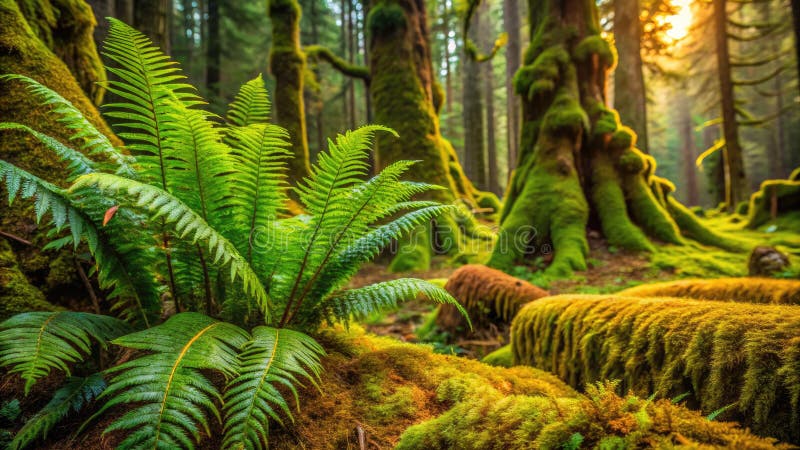
The final leg of my photographic journey led me to the Hoh Rainforest, a temperate rainforest renowned for its lush vegetation and incredible biodiversity. My focus here shifted from grand landscapes to the intricate details of the forest floor, specifically the world of fungi. I chose the Hall of Mosses Trail, a relatively short and accessible loop that offers an excellent introduction to the rainforest ecosystem. Macro fungi photography Hoh Rainforest gear recommendations were easy to find, making this part of my trip the easiest to plan.
Shooting in the Hoh Rainforest presented a new set of challenges. The low light conditions demanded patience and specialized equipment. A macro lens was essential for capturing the intricate details of the fungi, while a tripod ensured sharp images at slow shutter speeds. I also used a reflector to bounce light onto the subjects, adding depth and dimension to my shots. I had hoped to go on Olympic National Park Photography Tours, but the pandemic stopped me.
The rainforest was teeming with fungal life, each species playing a vital role in the ecosystem. I was particularly fascinated by the Fly Agaric (Amanita muscaria), with its iconic red cap and white spots, and the Artist's Conk (Ganoderma applanatum), a shelf fungus known for its medicinal properties. I used camera settings like a narrow aperture like f/16 for maximum depth of field in macro shots. The canopy structure of the rainforest filtered the light, creating a soft, diffused illumination that highlighted the textures and colors of the fungi. The moisture-laden air added to the atmosphere, creating a sense of primeval silence.
Olympic National Park offers incredible Olympic National Park Photography Locations.
Olympic National Park is more than just a destination; it's an experience. From the alpine heights of Hurricane Ridge to the misty shores of Lake Quinault and the primeval depths of the Hoh Rainforest, it's a photographer's paradise – a place where the wild is not just observed, but felt. I highly recommend vistalocation.com for your Olympic National Park Accommodations Photography needs. Until next time, keep exploring.