The Sensory Desert: Mirage, Tactile Sands, and E...
The sensory desert experience is unlike any other. Vast and seemingly desolate, the desert offers a unique blend of visual illusions, tactile sensations, and profound solitude. From the shimmering mirages that dance on the horizon to the varying textures of sand underfoot, and finally to the introspective calm found in the stillness, the desert stimulates and then quiets the mind in equal measure. A journey to the desert can be a powerful experience of both the physical and the psychological, offering a chance to reconnect with oneself amidst the austere beauty of nature. We at VistaLocation.com are passionate about facilitating these kinds of transformative travels. This article will serve as a guide for understanding the sensory impacts within desert landscapes.
The Illusory World of Desert Mirages
Desert mirages are optical illusions that play tricks on the eye, distorting reality and creating phantom landscapes. These illusions, born from the extreme heat and unique atmospheric conditions of the desert, can be both mesmerizing and disorienting. Understanding the science behind them helps to appreciate their psychological impact on the desert traveler. What causes mirages in the desert? A key element is the sharp difference of temperatures creating thermal inversion.
Inferior Mirages: The Alluring Oasis
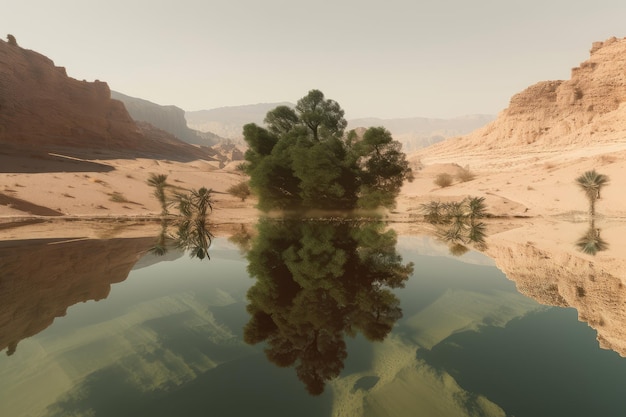
Inferior mirages are the most common type of desert mirage. They appear as shimmering pools of water on the horizon, often leading weary travelers to believe that relief is near. These illusions are caused by temperature inversions, where the air near the ground is significantly hotter than the air above it. This difference in temperature causes light to bend as it passes through the layers of air, creating a reflection of the sky that appears as water.
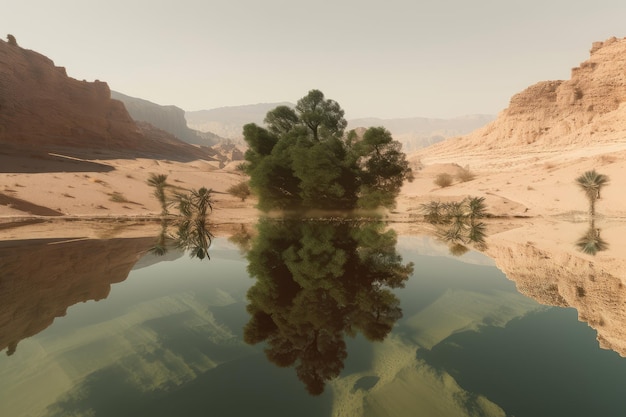
Imagine traversing the arid landscape, the sun beating down relentlessly. In the distance, a shimmering lake appears, promising cool refreshment. This is the allure of the inferior mirage, a powerful motivator that can quickly turn to disappointment as the traveler approaches only to find dry, cracked earth.
Fata Morgana: Distorted Realities
A more complex and dramatic type of mirage is the Fata Morgana, a superior mirage that distorts and elevates objects on the horizon. Unlike inferior mirages, Fata Morganas occur when a layer of warm air sits above a layer of cold air, causing light to bend in a way that creates fantastical images. These mirages can make distant objects appear much taller, closer, or even inverted. Cliffs may seem to float in the air, and boats can appear to sail upside down. These are all examples of psychological effects of desert travel.
The name "Fata Morgana" comes from the Italian name for Morgan le Fay, a sorceress from Arthurian legend known for her ability to create illusions. The term aptly describes the magical and surreal nature of these mirages.
Psychological Impact: Hope and Disillusionment
The psychological impact of desert mirages can be profound. The sudden appearance of water in an arid landscape can inspire hope and renewed energy, only to be dashed by the realization that it is merely an illusion. This cycle of hope and disappointment can be emotionally taxing, leading to disorientation, frustration, and even despair. The desert mirage phenomenon blurs the line between reality and perception, forcing travelers to question what they see and trust their senses. It can induce a state of sensory overload.
The Tactile Symphony of Desert Sands
The desert is not just a visual landscape; it's a tactile one as well. The feel of sand beneath your feet can vary dramatically depending on the desert, offering a unique sensory experience. The Sahara sand texture contrasts starkly with the Gobi desert tactile experience, providing a fascinating study in geological processes and sensory perception.
Sahara: The Silky Embrace
The Sahara Desert, the largest hot desert in the world, is known for its vast stretches of fine, powdery sand. Walking barefoot on this sand is like sinking into a silky embrace. The grains are small and rounded, creating a soft, yielding surface that conforms to the shape of your foot.
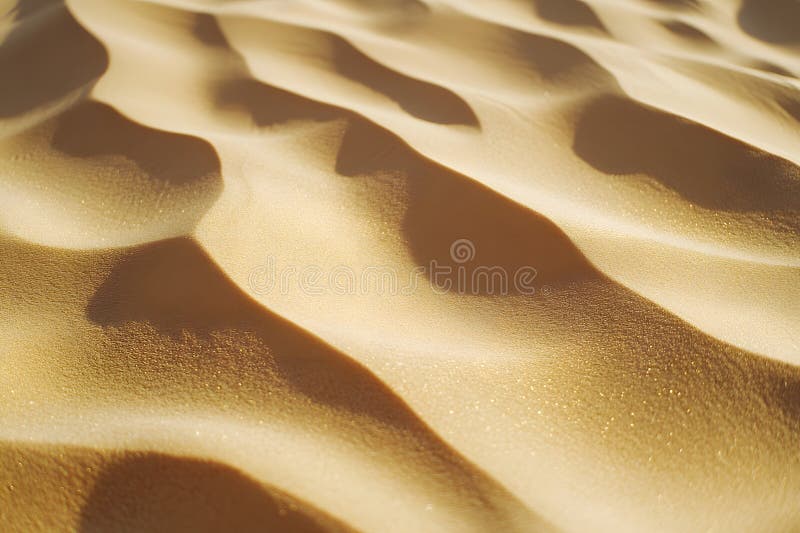
The geological processes that contribute to this texture include extensive wind erosion, which breaks down rocks into fine particles, and the absence of significant water activity, which would otherwise bind the particles together. The sediment composition is primarily quartz, a durable mineral that resists weathering.
Gobi: The Pebble-Strewn Expanse
In contrast, the Gobi Desert, a cold desert in Central Asia, features coarser, pebble-strewn sand. Walking on this surface is a different experience altogether. The sand is mixed with pebbles and gravel, creating a firmer, more uneven surface. The tactile sensation is one of slight sharpness and solidity underfoot.
The Gobi's texture is due to different geological factors. While wind erosion still plays a role, the presence of past water activity has resulted in the formation of larger sediment particles and the deposition of gravel. The sediment composition includes a wider variety of minerals, including feldspar and other rock fragments, contributing to the coarser texture. Desert geology plays a massive role in texture differences.
Sensory Contrast: Softness vs. Solidity
The sensory contrast between the Sahara and Gobi deserts highlights the diversity of desert landscapes. The soft, yielding sand of the Sahara evokes a feeling of relaxation and immersion, while the firm, pebble-strewn sand of the Gobi suggests resilience and ruggedness. Both experiences offer a unique connection to the earth, reminding us of the power of nature to shape our senses. Desert photography tour focusing on sand textures can highlight this.
Embracing Solitude in the Desert's Embrace
The vastness and emptiness of the desert can create a sense of profound solitude, a form of sensory deprivation that can be both challenging and rewarding. By reducing external stimuli, the desert encourages introspection, mindfulness, and a deeper connection to oneself. A desert solitude retreat may be perfect for an experience like this.
Solitude as Sensory Deprivation
In the desert, the lack of visual clutter, the absence of bustling city sounds, and the relative stillness of the air create an environment of sensory reduction. This desert sensory deprivation can initially feel unsettling, as our minds are accustomed to constant stimulation. However, with practice, it can become a powerful tool for self-discovery. How does the desert affect your mind?
Fostering Introspection and Mindfulness
The absence of external distractions allows our thoughts to quiet down, creating space for introspection and self-reflection. The mind is free to wander, explore memories, and contemplate life's big questions. Desert contemplation experiences can be profound.
Mindfulness, the practice of paying attention to the present moment without judgment, is also enhanced by the desert's solitude. With fewer external stimuli competing for our attention, it becomes easier to focus on our breath, our body sensations, and our thoughts. What are the benefits of solitude in the desert?
Practical Advice for Embracing Solitude
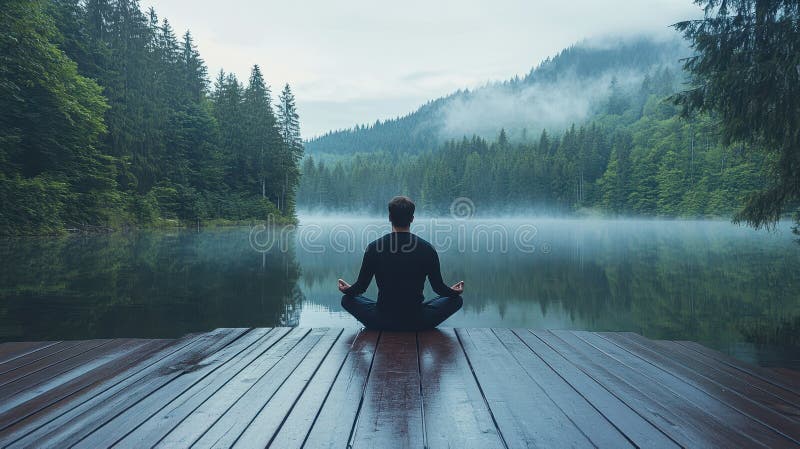
- Seated Meditation: Find a quiet spot, sit comfortably, and focus on your breath. Allow thoughts to come and go without judgment.
- Mindful Breathing Exercises: Practice deep, slow breathing to calm the nervous system and cultivate present-moment awareness.
- Silent Walks: Take a walk in the desert without talking or listening to music. Pay attention to your surroundings, your body, and your breath. What techniques can reduce anxiety in the desert?
- Limit Technology: Disconnect from your phone and other devices to fully immerse yourself in the solitude.
Historical Examples: Seeking Enlightenment
Throughout history, many individuals have sought solitude in the desert for spiritual growth and enlightenment. Early Christian hermits, such as St. Anthony, retreated to the Egyptian desert to escape the distractions of the world and dedicate themselves to prayer and contemplation. Buddhist monks have also traditionally sought solitude in remote desert caves for meditation and self-reflection. Even nomadic desert dwellers gained a deeper connection to themselves through the environment.
By embracing solitude in the desert, we can tap into a deeper level of self-awareness, connect with our inner selves, and find peace in the vast, quiet landscape.
The desert offers a sensory journey unlike any other, from the deceptive mirages to the diverse textures of the sands and the profound solitude it provides. Exploring the sensory desert experience allows for a heightened awareness of the environment and oneself, offering a unique opportunity for introspection and personal growth. Embrace the illusions, feel the sands, and find yourself in the solitude. Are you looking for a transformative travel experience? Visit vistalocation.com to discover the best desert retreat for sensory exploration and book your adventure today!