The Last Straw: Beaches Fighting the Plastic Tid...
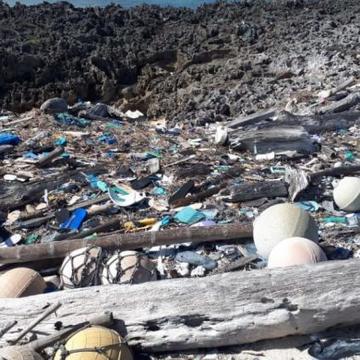
The scene is stark: a once-pristine beach, now overwhelmed by a kaleidoscope of plastic debris. Bottles, fishing nets, and countless fragments litter the sand, a grim testament to our throwaway culture. This is the reality of plastic pollution, a global crisis that demands immediate action. "The Last Straw" represents the tipping point, the urgent moment where we must drastically change our relationship with plastic to save our oceans and coastlines. This blog post will explore two strikingly different yet equally affected locations: Kamilo Beach in Hawaii, infamous as "Plastic Beach," and the fragile mangrove ecosystems of the Sunderbans in Bangladesh and India. Despite the scale of the challenge, hope remains as local communities and dedicated volunteers are actively fighting back against the plastic tide.
Kamilo Beach, Hawaii: Battling an Ocean of Plastic
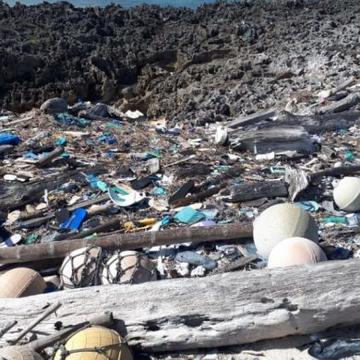
Kamilo Beach, situated on the southeastern tip of Hawaii's Big Island, is a remote and tragically beautiful place. Its location makes it a natural collector of marine debris, swept in by ocean currents from across the Pacific. The sheer volume of plastic accumulation is staggering, earning it the somber nickname "Plastic Beach." Fishing nets, plastic bottles, and countless microplastics are ubiquitous, creating a heartbreaking scene. The Kamilo Beach plastic problem is a stark reminder of the global reach of plastic pollution.
Organizations like the Hawaii Wildlife Fund are at the forefront of the cleanup efforts, organizing regular volunteer programs to tackle the immense task. These dedicated individuals brave the harsh conditions to remove tons of plastic from the beach, meticulously sorting it for recycling or proper disposal.
The types of plastic found on Kamilo Beach are diverse, reflecting the wide range of sources contributing to the problem. Ghost nets, abandoned fishing gear, are a common sight, posing a significant threat to marine life. Plastic bottles, food containers, and other single-use items are also abundant, highlighting the need to reduce our reliance on these disposable products. Microplastics, tiny fragments of degraded plastic, are particularly insidious, as they can easily be ingested by marine animals and enter the food chain.
Sarah, a tourist from California, packed reusable water bottles and utensils, refusing single-use plastics during her Kamilo Beach cleanup. She even learned to distinguish different types of recyclable plastics from the local volunteers.
Sunderbans, Bangladesh & India: Protecting a Fragile Mangrove Ecosystem
The Sunderbans, a vast mangrove forest straddling the coastlines of Bangladesh and India, is a UNESCO World Heritage site and a biodiversity hotspot. This unique ecosystem, home to the endangered Bengal tiger and countless other species, is increasingly threatened by plastic pollution. The intricate network of waterways and tidal creeks makes the Sunderbans particularly vulnerable to the accumulation of plastic waste.
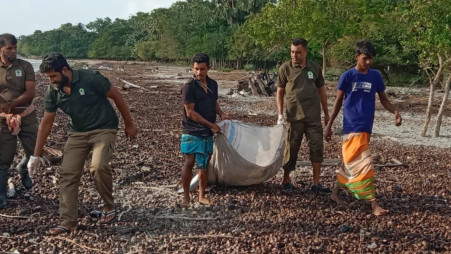
Local initiatives, such as those supported by the Sundarban Biosphere Reserve, are working to address the problem by organizing cleanup drives and promoting recycling. However, the challenges of collecting plastic in the mangrove environment are immense. The dense vegetation, muddy terrain, and presence of dangerous wildlife make the task physically demanding and logistically complex. The Sunderbans plastic pollution impact is devastating for the ecosystem.
Rajesh, visiting from Delhi, carried a reusable shopping bag and avoided accepting plastic bags from local vendors. He participated in a guided mangrove cleanup tour organized by a local community group.
Activities: Get Involved in the Fight
Participate in Organized Beach Cleanups
Joining a beach cleanup is a direct and impactful way to contribute to the solution.
- Kamilo Beach: Register for cleanup events through the Hawaii Wildlife Fund website.
- Sunderbans: Contact the Sundarban Biosphere Reserve or local tour operators for information on guided mangrove cleanup tours.
Plastic Sorting and Recycling Workshops
Learning about plastic identification and recycling processes can empower you to make more informed choices and contribute to effective waste management. Inquire with local organizations in Hawaii and the Sunderbans for available workshops. Remember to bring your own gloves and masks for hygiene and safety.
Learn About Innovative Recycling Technologies
Discovering how local communities are utilizing innovative technologies to recycle plastic waste can inspire hope and promote sustainable solutions. Research local initiatives that are converting plastic into fuel or building materials.
Sustainable Accommodation Options
Choosing eco-friendly accommodations can significantly reduce your environmental impact and support businesses committed to sustainability.
Kamilo Beach: The Albatross Retreat
Imagine staying at "The Albatross Retreat," a fictional eco-lodge committed to environmental stewardship. This lodge recycles at least 5 lbs of plastic per guest per year and allocates 10% of its revenue to support Hawaii Wildlife Fund's cleanup efforts.
Sunderbans: Mangrove Haven
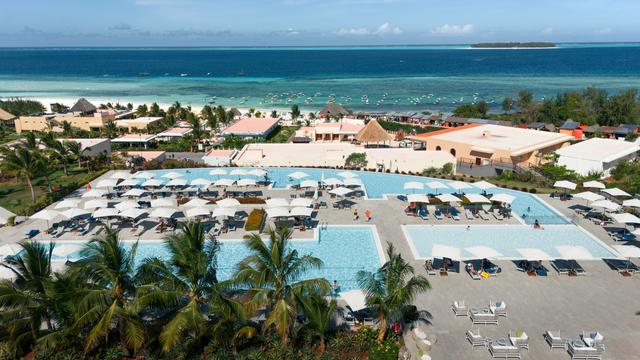
Picture yourself at "Mangrove Haven," a fictional eco-camp that upcycles collected plastic into furniture and building materials. This camp employs local community members for plastic collection, recycles 3 lbs of plastic per guest per year, and allocates 15% of revenue to local cleanup initiatives.
The Time for Action is Now
The fight against plastic pollution is a shared responsibility. We all have a role to play in protecting our beaches and oceans. Promise to reduce single-use plastic consumption on your next trip. Pledge to carry reusable water bottles, shopping bags, and utensils. Support local businesses that prioritize sustainability. Take the Pledge and join the movement to turn the tide on plastic pollution. Every action, no matter how small, can make a difference.