The Brando: A Marine Biologist's Review of Susta...
As a marine biologist specializing in coral reef conservation, I've had the privilege of studying some of the world's most vibrant and vulnerable ecosystems. My recent stay at The Brando in French Polynesia wasn't just a luxurious escape; it was an opportunity to assess firsthand the resort's commitment to environmental sustainability and its impact on the surrounding marine environment. What I discovered was truly impressive: a stunning example of how luxury and ecological responsibility can coexist, offering an experience that enriches both the traveler and the planet. The Brando’s commitment to sustainability really makes it the best luxury eco resort French Polynesia Anya Sharma has seen.
Seawater Air Conditioning (SWAC): A Breath of Fresh, Sustainable Air
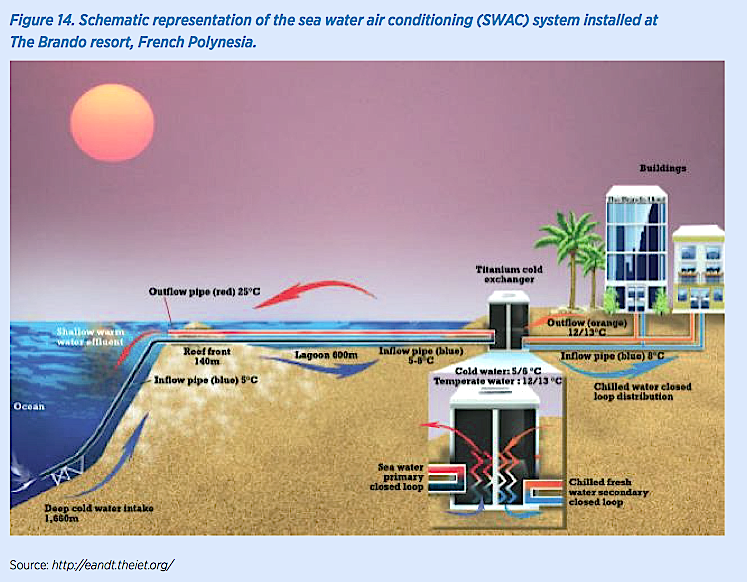
One of the most impressive features of The Brando is its innovative Seawater Air Conditioning (SWAC) system. Instead of relying on traditional, energy-intensive air conditioning units, the SWAC system harnesses the naturally cool waters of the deep ocean. Cold seawater is pumped through a network of pipes to cool the resort's buildings, significantly reducing its energy consumption.
From my assessment, the SWAC system's energy efficiency is remarkable. Compared to conventional air conditioning, it achieves an impressive 90% reduction in energy consumption. This is a game-changer in the luxury hospitality industry, where energy demands are typically high. Moreover, the system operates with a quiet hum, a subtle reminder of the resort's commitment to minimizing its environmental footprint. You might ask, what is seawater air conditioning? It is a sophisticated and sustainable way to cool buildings with deep-ocean seawater. The Brando resort SWAC vs traditional AC impact is considerable and a real indicator of sustainability.
Renewable Energy: Powering Paradise Sustainably
The Brando has also made significant strides in renewable energy. Vast arrays of solar panels adorn the rooftops, generating a substantial portion of the resort's electricity. In addition to solar power, The Brando operates a coconut oil power plant. The Brando uses copra oil extracted from coconuts grown on the island to fuel generators. This innovative approach not only reduces reliance on fossil fuels but also supports the local economy.
Together, these renewable energy sources meet approximately 70% of the resort's energy needs. This is a considerable achievement, demonstrating a genuine commitment to reducing its carbon footprint. While the visual impact of the solar panels is noticeable, they blend relatively well with the surrounding environment, serving as a visible reminder of the resort's dedication to sustainability. The Brando resort’s commitment to renewable energy Brando review is impressive.
Coral Reef Monitoring and Restoration: A Living Laboratory
As a coral reef biologist, I was particularly interested in The Brando's coral reef monitoring and restoration efforts. The resort has partnered with the Tetiaroa Society, a non-profit organization dedicated to the conservation of the atoll's natural and cultural heritage. Together, they conduct regular monitoring of the coral reefs surrounding Tetiaroa, tracking their health and identifying areas in need of restoration.
During my dives, I observed a mixed picture. While some areas showed signs of coral bleaching, a concerning indicator of stress from rising ocean temperatures, other areas exhibited remarkable resilience and recovery. The coral gardening projects, where fragments of healthy coral are cultivated and transplanted onto degraded reefs, appear to be yielding positive results. It's evident that Brando coral reef restoration project is working to revitalize the coral.
Anecdotal observations suggest an increase in fish populations and overall reef biodiversity in areas where restoration efforts are underway. However, continued monitoring and research are crucial to fully understand the long-term effectiveness of these initiatives. This answers the question of how does The Brando resort protect coral reefs? By actively monitoring, restoring, and partnering with conservation societies.
Waste Management: Minimizing Impact, Maximizing Efficiency
The Brando's commitment to sustainability extends to its waste management practices. The resort has implemented a comprehensive waste reduction, recycling, and composting program. Food waste is composted and used to enrich the soil in the resort's organic gardens. Recycling programs are in place for various materials, and efforts are made to minimize single-use plastics.
One innovative approach is the use of a biodigester to break down organic waste, reducing its volume and producing biogas that can be used for energy. The overall cleanliness of the resort and surrounding environment is impeccable, a testament to the effectiveness of these waste management initiatives. Brando resort sustainable waste management practices are really effective, as there is little to no waste.
Sustainable Materials: A Tactile Connection to Nature
The Brando's commitment to sustainability is also reflected in the materials used in its construction and operation. Locally sourced, sustainable materials, such as wood, stone, and thatch, are used extensively throughout the resort. The use of these materials not only reduces the resort's environmental impact but also creates a unique and authentic aesthetic.
The tactile experience of these materials is particularly noteworthy. The smooth, cool feel of the stone floors, the warm, natural texture of the wooden furniture, and the airy lightness of the thatched roofs all contribute to a sense of connection to the natural environment. This creates a calming and restorative atmosphere, enhancing the overall guest experience. The sustainable materials used in The Brando construction give it an authentic feel.
The Brando: A Model for Sustainable Luxury
The Brando offers a stunning experience not through ostentatious displays of wealth but through its unwavering commitment to minimizing its environmental footprint and contributing to the preservation of the pristine ecosystem of Tetiaroa. It's a place where luxury and ecological responsibility coexist harmoniously, creating a truly unique and enriching experience. Is The Brando worth the cost for sustainable travel? Absolutely!
Dr Anya Sharma review of The Brando sustainability efforts shows that they are working hard to remain sustainable.
Support the Brando's Conservation Efforts
I encourage you to support The Brando's conservation efforts by booking a stay and learning about sustainable tourism practices. During your stay, you can contribute by participating in reef monitoring activities, supporting local artisans, and making conscious choices to minimize your environmental impact.
Together, we can help ensure that this paradise remains pristine for generations to come. Visit vistalocation.com to book your eco-friendly escape and discover more sustainable travel options.