The Brando: A Marine Biologist's Perspective on...
As a marine biologist specializing in coral reef conservation and sustainable tourism, I'm always on the lookout for destinations that prioritize environmental responsibility alongside providing exceptional experiences. My recent one-week stay at The Brando in French Polynesia wasn't just a vacation; it was an immersive opportunity to witness firsthand the resort's deep commitment to marine conservation, sustainable tourism, and respecting the local culture. I’m Lena Moreau, and this is my take on whether this eco-resort truly delivers on its promise of sustainable luxury in French Polynesia.
Exploring the Reef: A Guided Snorkeling Tour with a Purpose
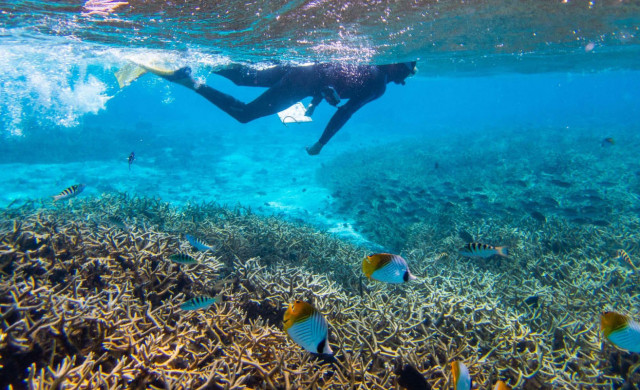
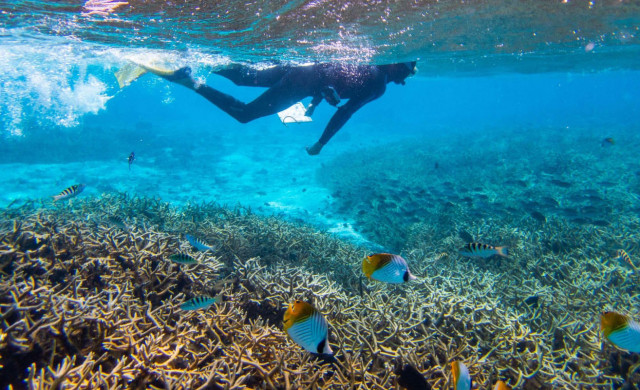
One of the highlights of my stay was a guided snorkeling tour led by the resort's knowledgeable marine biologists. It wasn't just about admiring the beauty of the reef; it was an educational experience focused on understanding the delicate ecosystem and the challenges it faces. We explored vibrant sections teeming with life, but also areas showing signs of stress.
I learned a great deal about the local coral species, particularly Acropora and Pocillopora. Acropora, with its branching structure, provides crucial habitat for many fish species. Pocillopora, known for its resilience, is often one of the first corals to recover after disturbances. But both are increasingly vulnerable.
I asked the biologists about the prevalence of coral bleaching in the area. They explained that rising ocean temperatures, driven by climate change, are the primary cause. Bleaching occurs when corals expel the algae (zooxanthellae) that live in their tissues, providing them with food and color. Without these algae, the corals become pale and are more susceptible to disease and death. The biologists also mentioned that the resort actively monitors water temperatures and implements strategies to mitigate the impact of bleaching events.
Another pressing issue is the presence of crown-of-thorns starfish infestations. These starfish are voracious predators of coral, and outbreaks can decimate entire reefs. The resort participates in efforts to manually remove these starfish to protect the coral.
I specifically inquired about the long-term health of the reef, asking, "What is the resort doing to ensure the reef's resilience in the face of climate change and other threats?". The biologist explained their multifaceted approach, encompassing active monitoring, coral restoration projects (including coral gardening), promoting responsible tourism practices, and educating guests and the local community about the importance of coral reef conservation. They were also actively researching ways to cultivate more heat-resistant coral strains. This holistic approach really impressed me.
Protecting the Future: Volunteering with the Sea Turtle Protection Program
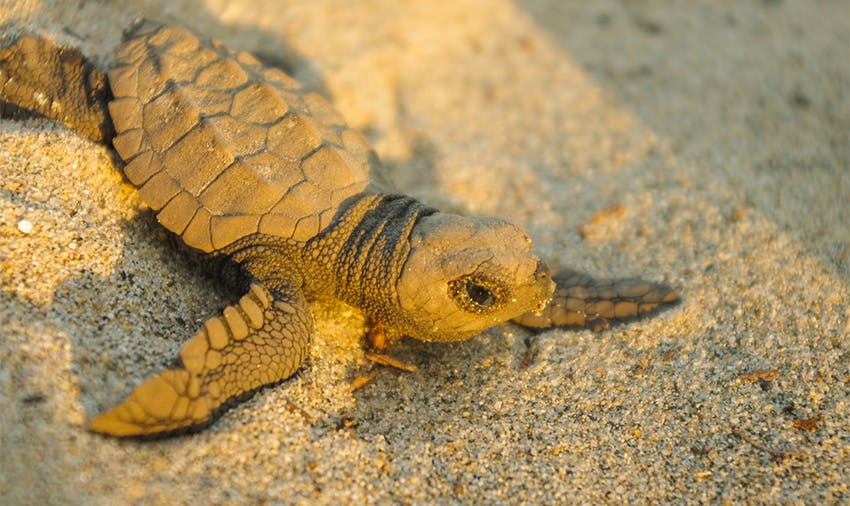
During my stay, I had the incredible opportunity to volunteer with The Brando's sea turtle conservation program. Nesting season (November to March) is a critical time for these magnificent creatures, and the resort actively protects nesting sites and monitors hatchlings. The main goal is to increase the number of hatchlings that reach the ocean safely.
My activities included patrolling the beaches at night to identify new nesting sites, carefully marking and protecting them from disturbances. I also assisted in collecting data on hatchlings, such as their size, weight, and species. We primarily observed Green Sea Turtles and, occasionally, Hawksbill turtles.
One particularly memorable experience was helping a group of hatchlings make their way to the ocean. We ensured they weren't disoriented by artificial lights and cleared any obstacles in their path. The instinctual drive of these tiny creatures to reach the water was truly inspiring.
During my volunteer hours, I noted down some key data. Over the course of my week, we identified 15 new nests, with an average hatch rate of approximately 80%. The most common threat to nests was erosion caused by high tides, which highlighted the importance of relocating vulnerable nests to safer locations. The experience underscored the importance of active conservation efforts in safeguarding these endangered species.
Wisdom of the Elders: Learning from Traditional Ecological Knowledge
A truly enriching experience was attending a lecture given by a local Polynesian elder on traditional ecological knowledge (TEK) and sustainable living practices. It provided invaluable insights into the deep connection between the Polynesian people and their environment.
The elder shared examples of TEK, such as traditional fishing methods that ensure sustainable harvesting of marine resources. These methods often involve seasonal closures and restrictions on certain fishing grounds to allow fish populations to replenish. He explained the concept of "rahui," a traditional practice of temporarily prohibiting access to certain areas to allow ecosystems to recover.
He also discussed the traditional uses of plants for medicinal purposes and construction, emphasizing the importance of respecting and preserving biodiversity. The elder spoke passionately about the need to maintain ecological balance and the interconnectedness of all living things. He explained that humans are part of the ecosystem, not separate from it, and that our actions have consequences for the entire environment. Understanding and incorporating traditional ecological knowledge Polynesia into modern conservation efforts is crucial for achieving long-term sustainability.
The Brando's Sustainable Practices: A Model for Eco-Luxury
The Brando sets a high standard for eco-resorts French Polynesia through its innovative and comprehensive sustainability initiatives.
One of the most impressive features is the Sea Water Air Conditioning (SWAC) system. This system uses cold seawater to cool the resort's buildings, significantly reducing energy consumption compared to traditional air conditioning systems. It’s a remarkable example of using natural resources responsibly and reducing the resort’s carbon footprint.
The resort also utilizes coconut oil-powered generators for electricity. This renewable energy source reduces reliance on fossil fuels and minimizes greenhouse gas emissions. The benefits of this system extend beyond environmental impact; it also supports the local economy by creating a market for locally produced coconut oil.
The Brando is committed to zero single-use plastic. This commitment is evident in every aspect of the resort, from reusable water bottles and refillable toiletries to the complete absence of plastic straws. The resort also partners with suppliers who share their commitment to sustainability.
Final Thoughts: Is The Brando Worth it?
My week at The Brando was an unforgettable experience. It’s rare to find a luxury resort that so genuinely integrates environmental responsibility into its core values. From the guided snorkeling tours and sea turtle protection program to the insightful lectures on traditional ecological knowledge Polynesia and impressive sustainable practices, The Brando offers a unique and enriching experience for eco-conscious travelers. While the cost is substantial, the value lies in knowing that your stay is contributing to coral reef conservation, supporting sustainable tourism Polynesia, and preserving the natural and cultural heritage of this beautiful corner of the world.
If you're looking for a truly ethical travel French Polynesia experience where luxury meets responsibility, The Brando is undoubtedly worth considering. Check availability and book your own marine biology travel adventure here.