The Brando: A Marine Biologist's Perspective on...
"As a marine biologist, I've seen firsthand the devastating impact of climate change on our oceans. Stepping onto Tetiaroa, I felt a sense of hope. The Brando isn't just a luxurious escape; it's a living laboratory and a sanctuary for marine life." – Kai Ishikawa, Renowned Marine Biologist and Sustainable Travel Advocate.
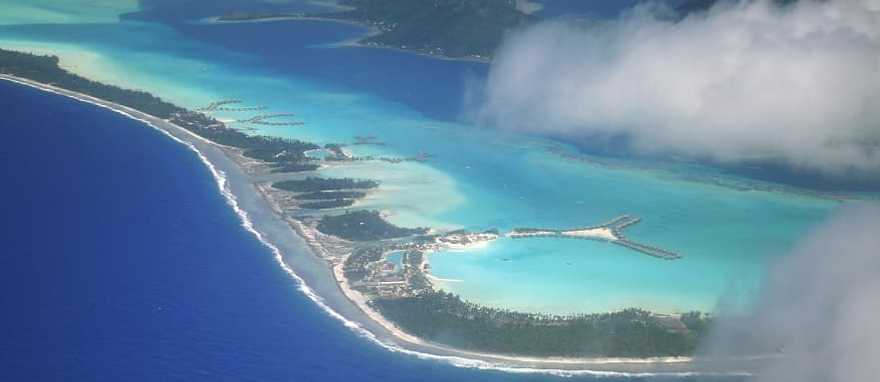
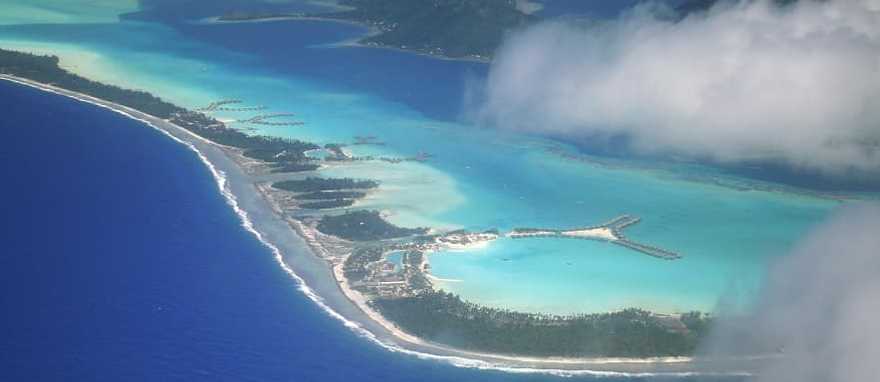
Imagine soaring above the vast expanse of the Pacific Ocean, the endless blue gradually giving way to a vibrant tapestry of turquoise and emerald. From the small plane, the atoll of Tetiaroa emerges – a necklace of pristine islets encircling a shimmering lagoon. This is The Brando's home, and from my perspective as a marine biologist and sustainable travel advocate, it's a place where luxury and environmental responsibility intertwine in a truly remarkable way. I'm Kai Ishikawa, and I'm thrilled to share my experience at this unique eco-resort, focusing on its unwavering commitment to marine conservation and its valuable research partnership with the Tetiaroa Society. This is more than just a review; it's an exploration of how a luxury eco-resort can be a force for good.
A Commitment to the Ocean: The Brando's Environmental Initiatives
The Brando's dedication to sustainability isn't just a marketing ploy; it's woven into the very fabric of its operations. It's clear that The Brando understands the importance of minimizing its environmental impact and actively contributing to the health of the surrounding ecosystem. Here are a few key initiatives that stood out to me:
Seawater Air Conditioning (SWAC)
One of the most impressive aspects of The Brando is its innovative Seawater Air Conditioning (SWAC) system. This technology uses cold, deep-sea water to cool the resort's buildings, drastically reducing its reliance on traditional, energy-intensive air conditioning. The process involves pumping seawater from a depth of approximately 3,000 feet, where the temperature hovers around 4°C (39°F). This cold water is then circulated through a heat exchanger, cooling freshwater that's used to air condition the villas and other facilities. The warmed seawater is then discharged back into the ocean at a shallower depth, minimizing any impact on the marine environment. By utilizing SWAC, The Brando significantly reduces its carbon footprint and energy consumption, setting a new standard for sustainable cooling in the hospitality industry. How does The Brando minimize its environmental footprint? By integrating systems like SWAC, the resort reduces energy consumption while maintaining luxury.
Coconut Oil Biofuel Power Plant
Another remarkable aspect of The Brando is its self-sufficiency. The resort operates its own power plant that runs on biofuel derived from coconuts grown on the atoll. This closed-loop system minimizes the need for fossil fuels and reduces carbon emissions. The process begins with harvesting coconuts, extracting the oil, and then converting it into biofuel through a process called transesterification. The biofuel is then used to power generators that provide electricity for the resort. The byproduct of this process, coconut meal, is used as fertilizer for the coconut trees, completing the sustainable cycle. This commitment to renewable energy not only reduces the resort's environmental impact but also supports the local economy by creating jobs and utilizing locally sourced resources.
Coral Reef Restoration: A Vital Initiative
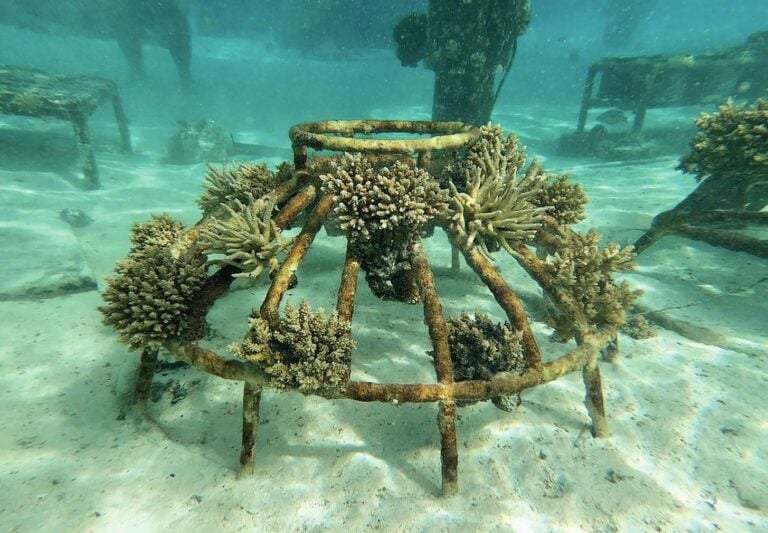
As a marine biologist, I was particularly impressed by The Brando's dedication to coral reef restoration. Coral reefs are vital ecosystems, providing habitat for countless marine species and protecting coastlines from erosion. Sadly, they are also among the most vulnerable ecosystems on the planet, threatened by climate change, pollution, and destructive fishing practices. The Brando, in partnership with the Tetiaroa Society, is actively working to protect and restore the coral reefs surrounding the atoll.
One of the techniques they employ is coral gardening. This involves collecting fragments of healthy coral, nurturing them in a nursery, and then transplanting them onto damaged reefs. The nursery provides a safe environment for the coral fragments to grow and recover, increasing their chances of survival once they are transplanted. Another important aspect of their coral reef restoration efforts is monitoring water quality. The Brando regularly tests the water for pollutants and nutrients that can harm coral reefs. They also work to reduce runoff from the land by implementing sustainable landscaping practices. The Brando coral reef restoration projects explained focus on active coral gardening and water quality monitoring.
Assisting with Sea Turtle Monitoring: A Hands-On Experience
One of the highlights of my stay was the opportunity to assist the Tetiaroa Society research team with monitoring sea turtle nesting sites. Sea turtles are an endangered species, and their populations are declining due to habitat loss, poaching, and entanglement in fishing gear. Tetiaroa is an important nesting site for several species of sea turtles, including the green sea turtle and the hawksbill sea turtle. The Tetiaroa Society conducts regular surveys of the beaches to identify nests, tag turtles, and collect data on nesting success.
During my time with the team, I learned how to identify turtle nests, carefully excavate them to count the eggs, and tag the turtles with identification numbers. This data is crucial for understanding turtle populations and developing effective conservation strategies. Witnessing these magnificent creatures up close and contributing to their protection was an incredibly rewarding experience. What marine conservation projects does The Brando support? A key focus is on turtle monitoring.
Immersing in Polynesian Culture: A Celebration of Tradition
Beyond its environmental initiatives, The Brando also embraces and celebrates the rich Polynesian culture of the region. During my stay, I had the opportunity to witness a traditional Polynesian dance performance. The dancers, adorned in vibrant costumes made from natural materials, moved gracefully to the rhythm of drums and ukuleles. Their movements told stories of their ancestors, their connection to the ocean, and their reverence for the natural world.
I had the chance to speak with one of the dancers after the performance. "Our dances tell the stories of our ancestors and our connection to the ocean," she shared. "We're proud to share our culture with guests at The Brando and help them understand the importance of preserving our traditions and our environment."
The Brando showcases its connection to culture through dance.
Sustainability Beyond the Resort Walls
The Brando's commitment to sustainability extends beyond its own operations. The resort actively collaborates with other hotels and organizations to promote best practices in marine conservation and eco-tourism. By sharing its knowledge and expertise, The Brando hopes to inspire other businesses to adopt more sustainable practices and contribute to the protection of our oceans.
A Call to Action: Protecting Our Oceans Together
Imagine waking up to the sound of waves gently lapping against the shore, the sun painting the sky in vibrant hues of orange and pink. Picture yourself snorkeling in crystal-clear waters, surrounded by colorful coral reefs teeming with marine life. Envision the warm sand between your toes as you stroll along the pristine beach. This is the magic of Tetiaroa, and it's a magic worth protecting. The Brando demonstrates that luxury and sustainability can coexist, and that we can all play a role in protecting our planet. Consider supporting marine conservation efforts today.
Final Thoughts from Kai Ishikawa

"The Brando is more than just a resort; it's a beacon of hope for our oceans. It demonstrates that luxury and sustainability can coexist, and that we can all play a role in protecting our planet."
I encourage you to learn more about The Brando [vistalocation.com] and the Tetiaroa Society [tetiaroasociety.org], and to consider supporting their important work. Together, we can make a difference in the fight to protect our oceans and preserve the beauty of places like Tetiaroa for generations to come.