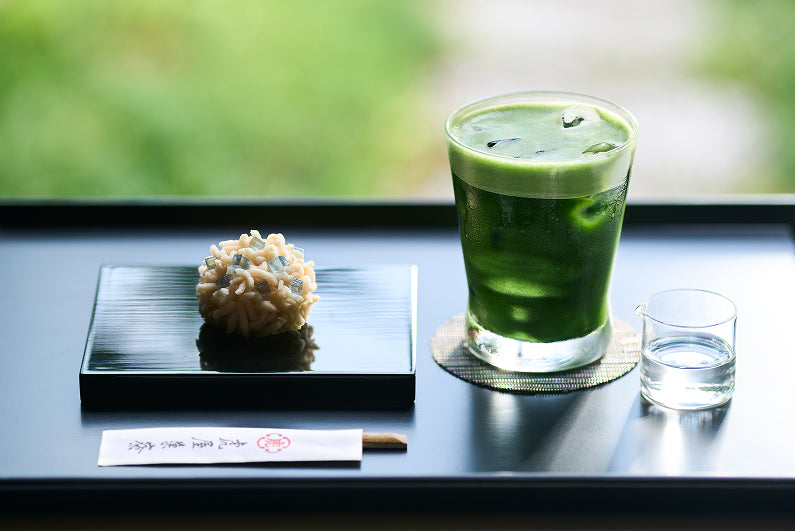
The Art of Wagashi: A Culinary Journey Through K...
Kyoto, the ancient capital of Japan, is renowned for its rich history, stunning temples, and vibrant food culture. Among its many culinary treasures, wagashi, or traditional Japanese sweets, hold a special place. More than just confectionery, wagashi are edible art forms that reflect the changing seasons and the profound connection between Japanese culture and nature. Embark on a journey with us to discover the intricate world of seasonal wagashi in Kyoto, where tradition and artistry come together in every delicate bite. This is your guide to Kyoto wagashi experience, from iconic shops to a hands-on wagashi Kyoto cultural tour!
Delving into the World of Wagashi: Kyoto's Sweet Tradition
Wagashi (和菓子) refers to traditional Japanese confections, often made from plant-based ingredients like rice flour, azuki beans, and agar-agar. These sweets are not merely desserts; they are carefully crafted expressions of Japanese aesthetics and seasonal awareness. The history of Japanese confectionery Kyoto can be traced back centuries, evolving from simple rice cakes to the intricate sweets we see today. Often served during tea ceremonies or as gifts, wagashi embodies hospitality and respect. Where to find the best wagashi in Kyoto Japan? The answer is found in its traditional shops and dedicated artisans.
Three Esteemed Wagashi Shops in Kyoto
Kyoto boasts numerous wagashi shops, each with its own unique history and specialties. Here, we'll introduce three of the most esteemed establishments: Toraya, Kagizen Yoshifusa, and Demachi Futaba, all offering authentic Traditional Japanese sweets Kyoto.
Toraya: A Taste of Imperial Elegance
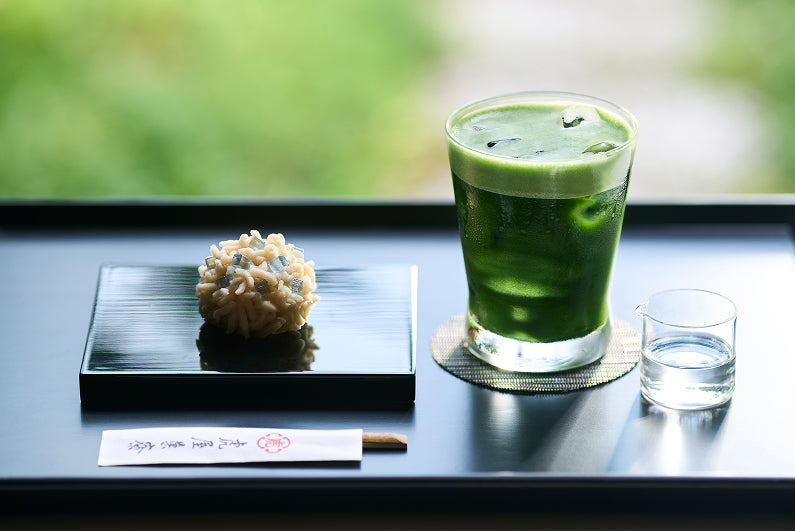
Toraya, with a history spanning over five centuries, stands as a symbol of refined Kyoto food culture. As a purveyor to the Imperial Court, Toraya has perfected the art of creating elegant and sophisticated wagashi. Their sweets are known for their delicate flavors, exquisite craftsmanship, and understated beauty. A visit to Toraya is like stepping back in time, offering a glimpse into the world of imperial Japan. What makes Toraya wagashi special? It is the long-standing tradition and uncompromising dedication to quality.
The Iconic Yokan
One of Toraya's most iconic creations is Yokan, a dense, jellied sweet made from azuki bean paste, agar-agar, and sugar. Toraya's Yokan is renowned for its smooth texture, subtle sweetness, and elegant presentation. It's a perfect example of the refined flavors that define Toraya's wagashi. Experiencing a Toraya Yokan tasting experience Kyoto is a must for any wagashi enthusiast.
Kagizen Yoshifusa: Minimalism and Refreshment
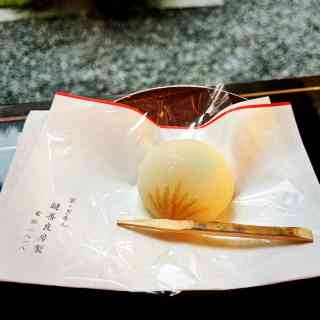
Kagizen Yoshifusa embraces a minimalist aesthetic, both in its shop design and its wagashi creations. The shop is famous for its Kuzukiri, translucent noodles made from kudzu starch, served in a cool, dark syrup. What is Kuzukiri? It's a refreshing summer treat perfect for combating Kyoto's humid heat.
The Refreshing Kuzukiri Experience
The Kagizen Yoshifusa Kuzukiri Kyoto experience is a sensory delight. The cool, slippery noodles, combined with the subtly sweet syrup, offer a refreshing contrast to the summer heat. Served in a simple, elegant setting, Kuzukiri embodies the Zen principles of simplicity and harmony. Many will argue that this is the Best wagashi shops Kyoto has to offer.
Demachi Futaba: A Local Favorite's Humble Delight
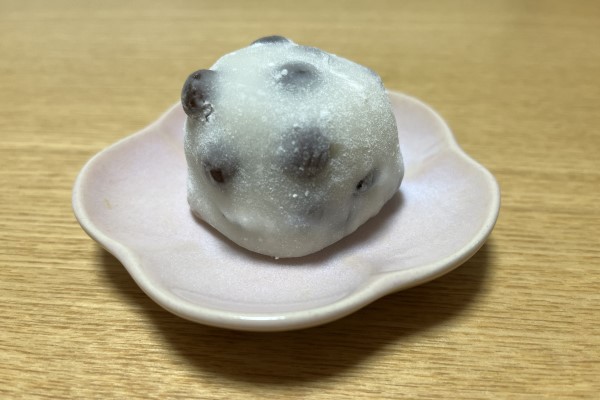
In contrast to the refined elegance of Toraya and Kagizen Yoshifusa, Demachi Futaba offers a more casual and accessible wagashi experience. This shop is beloved by locals for its Mame-mochi, a chewy rice cake filled with sweet bean paste and salty soybeans. It is a common stop on any Demachi Futaba Mame-mochi guided tour.
The Irresistible Mame-mochi
What is Mame-mochi? It's a simple yet delicious combination of textures and flavors. The chewy mochi, the sweet bean paste, and the salty soybeans create a harmonious balance that keeps customers coming back for more. Demachi Futaba's Mame-mochi is a true testament to the power of simple ingredients and traditional techniques.
Wagashi and the Seasons: A Reflection of Nature
One of the most fascinating aspects of wagashi is their reflection of the changing seasons. From their ingredients to their shapes and colors, wagashi embody the essence of each season. This is also a great reason to attend a Seasonal wagashi experience in Kyoto autumn.
Spring: Sakura-mochi and the Bloom of Cherry Blossoms
In spring, wagashi often feature sakura (cherry blossom) flavors and motifs. Sakura-mochi, a pink-colored mochi filled with sweet bean paste and wrapped in a pickled cherry leaf, is a quintessential spring treat. The delicate pink color and floral aroma evoke the beauty of the cherry blossoms.
Summer: Minazuki and the Ritual of Purification
Minazuki is a triangular-shaped wagashi eaten in June, during the traditional purification ritual. Made from uirō (a type of steamed rice cake) topped with azuki beans, Minazuki is said to ward off evil spirits and ensure good health during the hot summer months.
Autumn: Maple Leaves and the Colors of Fall
As the leaves turn golden and red, wagashi take on autumnal hues and shapes. Sweets shaped like maple leaves, often flavored with chestnut or sweet potato, capture the essence of the season. Wagashi Kyoto fall colors are truly a sight to behold.
Winter: Snowscapes and Festive Cheer
In winter, wagashi designs reflect the snowy landscapes and festive atmosphere. Motifs like snow-covered pine branches or plum blossoms symbolize resilience and hope during the cold months. These winter wagashi often incorporate flavors like citrus or ginger for warmth.
Learn How to Make Wagashi in Kyoto
Are you interested in how to learn wagashi making in Kyoto? Look no further!
VistaLocation's Exclusive Wagashi-Making Class
Embark on a culinary journey and immerse yourself in the art of wagashi with vistalocation.com's exclusive wagashi-making class in Kyoto. Learn to craft seasonal sweets under the guidance of local artisans and discover the profound connection between Japanese culture and confectionery. Book your spot today and create edible masterpieces that embody the spirit of Kyoto! This wagashi making class Kyoto is perfect for beginners. It is an Authentic wagashi making class Kyoto!
You can find a wagashi class Kyoto price listed at vistalocation.com.
Conclusion: Savoring the Sweetness of Kyoto
Wagashi in Kyoto is more than just a sweet treat; it's a cultural experience that engages all the senses. From the elegant creations of Toraya to the refreshing Kuzukiri of Kagizen Yoshifusa and the humble Mame-mochi of Demachi Futaba, each wagashi tells a story about the city's rich history and deep connection to nature.
Don't just taste wagashi – truly experience it. Are wagashi classes in Kyoto available in English? Yes! Our expert instructors will guide you through every step. Book your wagashi making class in Kyoto with VistaLocation and unlock the secrets of this exquisite art form.