Tasmania: A Culinary & Cultural Awakening in the...
The air hit me like a shot of pure adrenaline the moment I stepped off the plane in Hobart. Crisp, clean, and carrying the unmistakable scent of eucalyptus, it was an immediate sensory awakening. The city buzzed with an electric energy, the whispers of Dark Mofo already swirling in the cool winter air. Tasmania, a land I'd long dreamt of visiting, was finally unfolding before me – a hidden gem promising a symphony of rugged beauty, world-class cuisine, and cutting-edge art. My initial impression? Utter enchantment. This was more than just a trip; it was an immersion into a world where wilderness, art, and gastronomy danced in perfect harmony. Get ready to explore with me as The Sustainable Epicurean discovers the wilds of Tasmania!
Truffle Hunting in the Derwent Valley
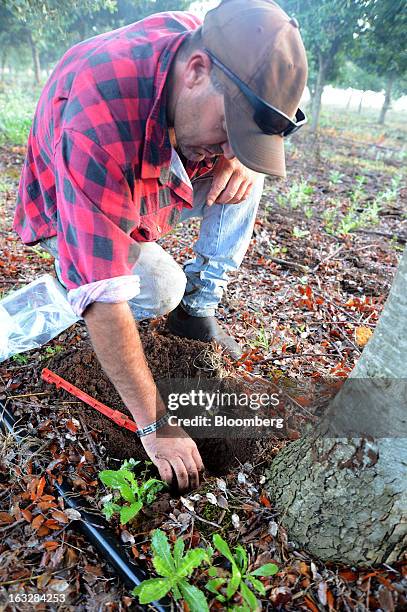
The Derwent Valley, with its rolling hills and patchwork of farmland, provided the perfect backdrop for my first Tasmanian adventure: truffle hunting. At Tasmanian Truffles, the earthy aroma hit me even before I saw the first nugget. The farm, a haven of sustainable practices, cultivates these "black diamonds" with a deep respect for the land. Watching the truffle dogs, their noses twitching with focused intensity, was a masterclass in canine expertise. Their ecstatic barks announced each discovery, a dark, knobbly treasure unearthed from the cool soil. The ultimate reward? Freshly shaved truffles atop creamy scrambled eggs, the earthy, musky flavour a truly unforgettable experience. Discover truffle hunting season for an unforgettable experience in Tasmania!
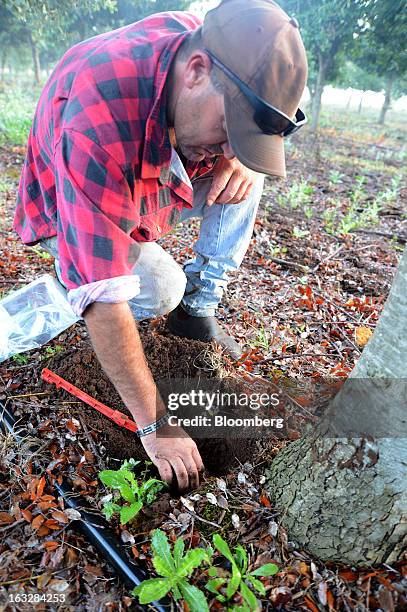
Alt text: A close-up shot of a freshly unearthed Tasmanian truffle held in a gloved hand, showcasing its dark, knobbly texture. The surrounding soil hints at the earthy aroma and sustainable farming practices of the Derwent Valley.
MONA and Moorilla Estate
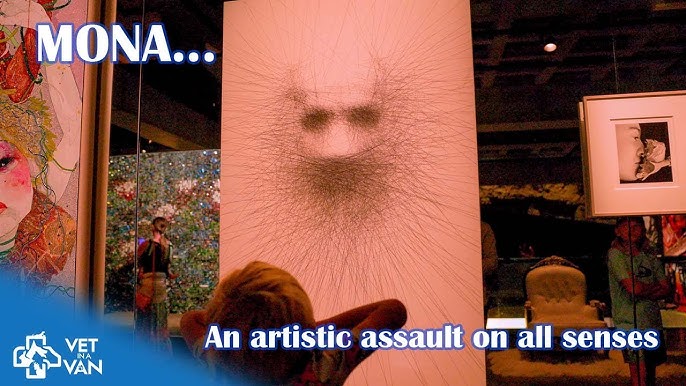
A visit to Tasmania wouldn't be complete without experiencing the enigmatic MONA (Museum of Old and New Art). From the moment you descend into its subterranean depths, a feeling of disorientation and wonder takes hold. Julius Popp's "Bit.Fall," a mesmerizing display of words cascading down in water droplets, captivated me with its fleeting beauty. Wim Delvoye's "Cloaca Professional," a complex machine mimicking the human digestive system, was both repulsive and strangely fascinating. MONA challenges, provokes, and ultimately expands your understanding of art. For those prioritizing MONA eco-tourism, consider public transportation or sustainable accommodation nearby.
Emerging from the depths of MONA, I transitioned seamlessly to a wine tasting at the adjacent Moorilla Estate. The Pinot Noir, a varietal perfectly suited to Tasmania's cool climate, was the star of the show. Notes of cherry and spice danced on my palate, a testament to the vineyard's dedication to quality. What struck me most was the connection between the art and the winemaking philosophy – a shared commitment to innovation, experimentation, and a deep respect for the Tasmanian landscape.
Hiking in Cradle Mountain-Lake St Clair National Park
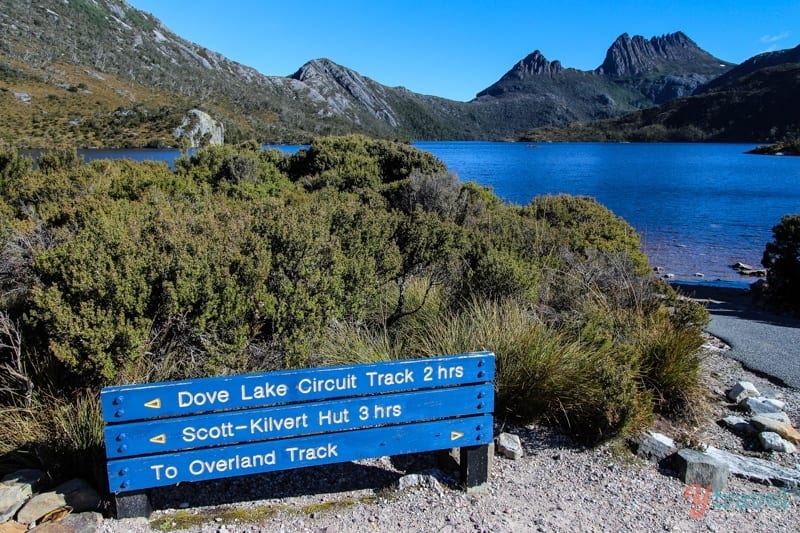
No Tasmanian adventure is complete without immersing yourself in its wilderness. Cradle Mountain-Lake St Clair National Park, a UNESCO World Heritage Site, offers a breathtaking tapestry of ancient forests, glacial lakes, and rugged peaks. My day hike to Marion's Lookout was challenging but infinitely rewarding. The trail, a mix of boardwalks and rocky ascents, tested my endurance, but the panoramic views from the top were worth every drop of sweat. Cradle Mountain, reflected in the mirror-like surface of Dove Lake, was a truly iconic sight.
Along the way, I encountered a diverse array of flora and fauna. Pademelons grazed peacefully in the undergrowth, while the scent of King Billy pines filled the air. While I didn't spot a Tasmanian devil on this particular hike, their presence is a constant reminder of the importance of preserving this pristine environment. I stuck rigidly to Leave No Trace principles, ensuring that my visit had minimal impact on this fragile ecosystem. For those looking to explore, hiking Cradle Mountain via Marion's Lookout has a moderate difficulty.
Alt text: A sweeping vista of Cradle Mountain reflected in the still waters of Dove Lake. The rugged peaks and surrounding wilderness highlight the breathtaking beauty and pristine environment of Cradle Mountain-Lake St Clair National Park.
Tasmanian Delicacies
Tasmania is a culinary paradise, boasting some of the freshest and most unique ingredients in the world.
- Freycinet Oysters: The oysters from Freycinet Marine Farm were an absolute revelation. Served right on the coast, their salty, briny taste transported me to the ocean. The clean, crisp flavour was a testament to the pristine waters of the Freycinet Peninsula.
- Bruny Island Cheese: A trip to Bruny Island Cheese Co. is a must for any cheese lover. I was particularly taken with the 'Oen' cheese, a creamy, complex creation washed in Pinot Noir. Witnessing the cheesemaking process firsthand deepened my appreciation for the artisanal craftsmanship and dedication to quality. Bruny Island Artisanal cheese tasting is a must for any gourmet trip.
- Wallaby: I had the opportunity to sample wallaby, ethically sourced and sustainably harvested. Its lean texture and gamey flavor were unlike anything I'd tasted before. Consuming native species, when done responsibly, can contribute to ecosystem management and promote biodiversity. It's vital to ensure responsible dining practices are followed.
- Tamar Valley Pinot Noir: No culinary journey through Tasmania is complete without indulging in its renowned Pinot Noir. The Tamar Valley, with its cool climate and fertile soils, produces wines of exceptional character. The Pinot Noir I sampled was bursting with red fruit flavors, earthy notes, and a subtle spice. It paired perfectly with the wallaby, creating a truly unforgettable dining experience. Tasmanian Pinot Noir wine region provides wonderful wines and stunning vineyards.
Dark Mofo Experience
The Dark Mofo festival in Hobart is an experience unlike any other. This winter solstice celebration dives deep into the themes of death, rebirth, and the human condition, creating a dark, edgy, and thought-provoking atmosphere. The Ogoh-Ogoh burning was a powerful spectacle, a cathartic release of anxieties and fears into the flames. The Red Death Ball, a surreal and unsettling masquerade, challenged my perceptions of beauty and decay.
A performance at the Odeon Theatre, a haunting blend of music and performance art, left me speechless. Dark Mofo art installations offer an introspective look into humanity's darkest parts. This unique festival connects to Tasmania's deep history, celebrating the cycle of life and death in the heart of winter. Be sure to review the Dark Mofo art installations of 2024 to get a feel for the festival.
Alt text: A nighttime scene at Dark Mofo festival, showcasing the Ogoh-Ogoh burning. The large, intricately designed effigy is engulfed in flames, symbolizing the release of negative energy and anxieties during the winter solstice celebration.
Landscapes
Tasmania's landscapes are as diverse as its cuisine and culture. The rugged coastline of Tasman National Park, with its dramatic cliffs and crashing waves, is a testament to the raw power of nature. Hiking along the clifftops, the wind whipping through my hair, I felt an exhilarating sense of freedom.
In contrast, the rolling hills of the Midlands evoke a sense of pastoral tranquility. Sheep graze peacefully in the fields, and historic homesteads dot the landscape. It's a place where time seems to slow down, allowing you to connect with the land and its history.
The ancient rainforests of the Tarkine are another world entirely. Lush greenery envelops you, the air thick with the scent of damp earth and decaying leaves. Towering trees, some of them thousands of years old, create a cathedral-like atmosphere. Exploring the Tarkine feels like stepping back in time to a prehistoric era. For those seeking sustainable travel tips for the Tarkine rainforest, plan ahead to ensure you stay on marked paths, respect the area's natural beauty, and support local conservation efforts.
Conclusion
My 10-day journey through Tasmania was more than just a vacation; it was a transformative experience. Connecting with its raw nature, immersing myself in its vibrant art scene, and savoring its sustainable food practices awakened my senses and deepened my appreciation for the delicate balance between humanity and the environment. Tasmania offers a unique blend of experiences that truly sets it apart.
I urge you to support Tasmanian tourism operators and producers who prioritize sustainability. Look for Ecotourism Australia certified operators in Tasmania to ensure your travels have a positive impact. Remember to bring your own reusable water bottle to refill throughout your trip and utilize local public transport where available. By making conscious choices, we can all contribute to preserving this incredible destination for future generations. Plan your Tasmanian food and culture tour today!