Tanna Island: Tradition Erupts – An Anthropologi...
Returning to Tanna Island after two decades felt like stepping back into a dream, albeit one subtly altered by the winds of change. As Dr. Eleanor Vance, an anthropologist with a deep-seated passion for kastom and the intricate tapestry of Tannese life, my heart was filled with anticipation tinged with apprehension. Would the vibrant traditions I documented in 2004 still resonate with the same unwavering strength, or would the relentless march of globalization have irrevocably reshaped the island's cultural landscape? My mission: to document the shifts, understand the balancing act between tradition and modernity, and advocate for responsible tourism that supports the preservation of Tanna’s unique heritage, with a particular focus on the Yakel Tribe Vanuatu Anthropology.
My arrival in Lenakel, the island's main town, presented an immediate juxtaposition. The bustling market teemed with life, a vibrant collage of colors, scents, and sounds. Locally grown fruits and vegetables, like plump mangoes and earthy yams, were proudly displayed alongside imported goods – colorful plastic toys, stacks of canned food, and cheap clothing. The quiet strength of Mount Yasur, the ever-present volcano, loomed in the distance, a stoic sentinel watching over this evolving scene. This bustling environment is a vital commercial hub for the island but it contrasts sharply with what I remember from my early stay.
Journey to the Yakel Village: A Land of Contrasts
The journey to the Yakel village was a study in contrasts. Leaving Lenakel, the landscape gradually transformed. We traversed the volcanic ash plains near Mount Yasur, a surreal panorama of black sand stretching as far as the eye could see. The air hung heavy with the acrid scent of sulfur, and the sparse vegetation clung tenaciously to life. It was a stark, almost lunar landscape, a testament to the raw power of the volcano and the resilience of nature.
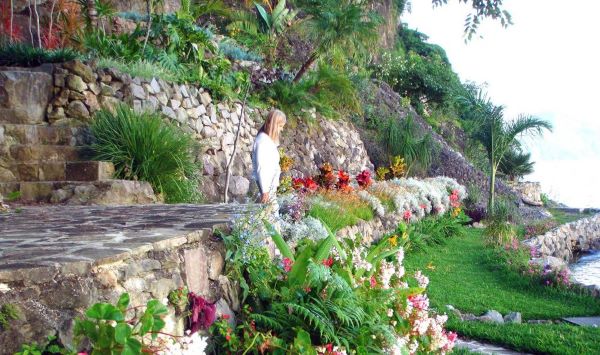
This photo shows the stark, volcanic landscape near Mount Yasur, highlighting the challenging environment where life persists on Tanna Island. This serves as a visual reminder of the island's dual nature and the Yakel tribe's unique relationship with this volatile environment.
Further inland, the landscape exploded into a riot of verdant hues. Lush rainforests cloaked the hills, teeming with life. Here, in the kastom gardens, the Tannese cultivated their crops using traditional methods passed down through generations. Yam, taro, and other staples thrived in this fertile environment, a testament to their deep understanding of the land and its rhythms. This land provides sustenance for the village and holds deep spiritual significance. These are the gardens that have sustained the tribe for generations.
The Heart of Tradition: The Nakamal Ceremony
The Nakamal ceremony in the Yakel village was a powerful reminder of the enduring strength of tradition. It is important to understand Nakamal Ceremony Tanna Island Etiquette before attending or observing. The preparation of kava, the ritualistic consumption, and the sharing of stories around the fire remained largely unchanged. The earthy aroma of the kava mingled with the scent of burning wood, creating an atmosphere of profound connection and shared heritage.
However, subtle differences hinted at the influence of the modern world. In 2004, the ceremony was a purely traditional affair, with participants adorned in woven grass skirts and body paint. Now, I noticed the occasional use of modern fabrics in clothing and, more surprisingly, the discreet glow of mobile phone screens as some villagers recorded the event. Traditional singing and storytelling still formed the core of the ceremony, but the background sounds of modern devices were undeniably present, a faint echo of the outside world seeping into this sacred space. It was important to remember that change can be both additive and disruptive to existing practices.
A Taste of Tanna: Traditional Foods and Modern Influences
Food, as always, played a central role in village life. I savored a meal of lap lap, grated yam cooked with coconut milk and wild chicken, wrapped in fragrant banana leaves. The rich, earthy flavors were both familiar and comforting. Simboro, dumplings bathed in creamy coconut milk, and fresh fruits like nangae nuts and local citrus completed the feast.
While these traditional dishes remained staples, I also observed the increasing presence of imported rice and canned goods. This shift, while seemingly innocuous, has significant implications for traditional agricultural practices. As reliance on imported foods grows, the incentive to cultivate traditional crops diminishes, potentially eroding the knowledge and skills passed down through generations. Authentic traditional food tours on Tanna Island could help to counteract this by creating local demand for traditional dishes.
Kastom Medicine: A Fragile Legacy
My visit to a traditional healer was particularly poignant. She showed me a wealth of plants used for healing and rituals, each imbued with specific properties and significance. Nangaria leaves, she explained, were used to treat skin ailments, while the Navela root was believed to possess spiritual power. This knowledge, carefully cultivated over centuries, represents a precious legacy.

This imaginary image depicts a traditional healer showcasing plants used for medicinal purposes on Tanna Island, symbolizing the importance of preserving indigenous knowledge and practices.
While traditional medicine remains an integral part of Tannese culture, its future is uncertain. The increasing availability and affordability of imported pharmaceuticals pose a significant threat. As modern medicine gains prominence, traditional knowledge risks being lost, a tragic loss of cultural heritage and potentially valuable medicinal resources. Where can I find Kastom medicine on Tanna Island? The knowledge is primarily held within specific family lineages within the tribes.
Ethical Considerations and a Call to Action
Throughout my visit, I remained acutely aware of the ethical considerations inherent in my work. As an anthropologist, I am committed to responsible tourism and respectful engagement with the local community. Sustainable Tourism Vanuatu Challenges are ever present and must be considered. It is crucial to minimize our impact, respect local customs, and ensure that our presence benefits the community.
I am proud to collaborate with local organizations that are working tirelessly to promote sustainable tourism practices. These initiatives aim to empower local communities, protect the environment, and preserve Tannese culture for future generations.
I urge you, as potential visitors to Tanna Island, to embrace responsible tourism. Support local businesses, respect local customs, and be mindful of your impact on the environment. By traveling responsibly, you can help ensure that the vibrant traditions of Tanna Island continue to thrive. Explore the volcanic landscapes of Tanna independently, while respecting their cultural significance.
Tanna Time-Lapse: Tradition Erupts (Viral Video Concept)
(0-3 seconds) Shot of molten lava erupting from Mount Yasur, filmed with a high-speed camera (shot on RED in Cinematic 4K) in extreme slow-motion, revealing details of the lava’s texture and movement.
(3-10 seconds) Time-lapse footage (cinematic 4K) alternating between two subjects:
- Cultural Shifts: A time-lapse sequence showing the Nakamal ceremony from 2004 (archival footage) fading into a contemporary ceremony. Show the transition from entirely traditional attire and practices to subtle modern influences, like a mobile phone recording the event and modern fabrics replacing some traditional garments. Camera work: slow pan across the scene, bright colors.
- Volcanic Activity: Parallel time-lapse showing accelerated footage of Mount Yasur's eruptions over the same period, from less intense to more frequent and powerful eruptions. Camera work: fixed shot with a low-angle. Dramatic lighting.
(10-15 seconds) Suddenly, the time-lapse of volcanic activity accelerates dramatically. The volcano erupts violently. Then cut immediately to footage of Tannese youth using smartphones. The text overlay states, "Tradition and Modernity Collide: Can Tanna Survive?"
Conclusion: A Future Forged in Tradition
My return to Tanna Island was a profound and moving experience. While the island has undoubtedly changed in the past two decades, the strength of its traditions remains a source of inspiration. The challenge now lies in finding a balance between embracing modernity and preserving the unique cultural heritage that makes Tanna so special. By supporting sustainable tourism initiatives and engaging with the local community in a respectful and responsible manner, we can all play a role in ensuring that Tanna Island continues to thrive for generations to come. Consider joining a Tanna Island Cultural Tour to experience the best of the island. Book your trip responsibly and contribute to the preservation of Tanna's unique cultural landscape.