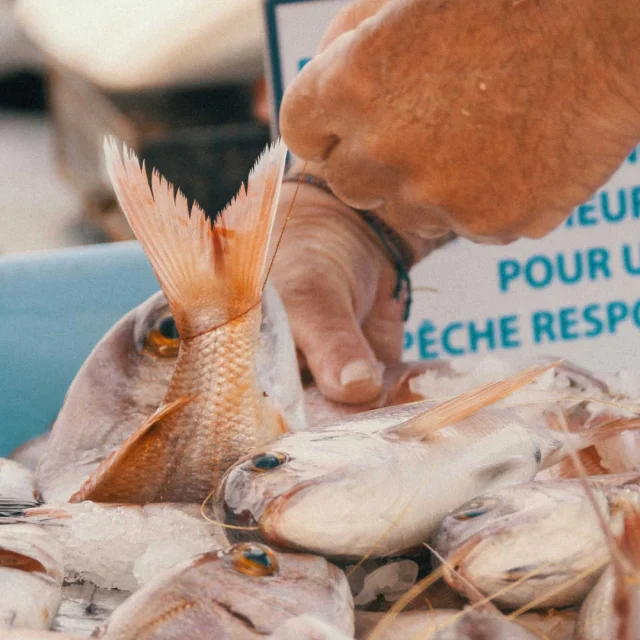
Sustainable Seafood Culinary Tours: A Delicious...
Are you a foodie with a conscience? Do you dream of savoring the freshest seafood while knowing you're supporting healthy oceans and thriving local communities? Then sustainable seafood culinary tourism is your perfect recipe for adventure. It's a chance to indulge your palate, learn about marine ecosystems, and make a positive impact with your travel choices. This blog post explores three incredible destinations – Cancale, France; Reykjavik, Iceland; and Bar Harbor, Maine – where you can embark on unforgettable culinary journeys while prioritizing sustainability. Get ready to tantalize your taste buds and travel with purpose!
Oyster Farm Tours in Cancale, Brittany, France
Cancale, a charming fishing village on the coast of Brittany, is renowned for its exceptional oysters. Here, generations of oyster farmers have honed their craft, cultivating these briny delicacies in the nutrient-rich waters of the Bay of Mont-Saint-Michel. Experience the tradition firsthand with a visit to La Ferme Marine de Cancale (http://www.fermemarine.com/). This family-run farm offers fascinating tours that delve into the history of oyster farming in Cancale, showcasing their traditional methods that minimize environmental impact. The estimated tour cost is €15-€25 per person, depending on the tour package.
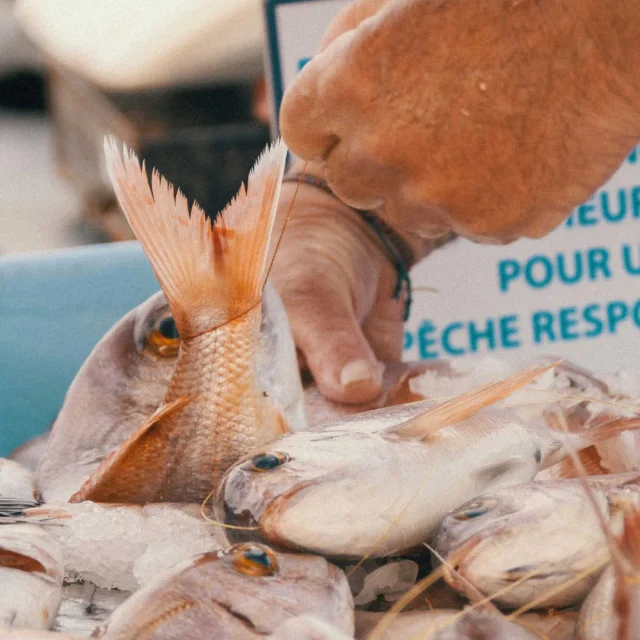
Sustainability Data: La Ferme Marine de Cancale uses traditional, low-impact farming methods. They are committed to preserving the marine ecosystem of the Bay of Mont-Saint-Michel. Oysters themselves are filter feeders and help purify the water. Source: http://www.fermemarine.com/
Chef's Table: After your tour, indulge in the culinary magic of Chef Olivier Roellinger, whose Michelin-starred restaurant Le Coquillage (https://www.maisons-de-bricourt.com/en/restaurant-le-coquillage/) showcases the region's freshest seafood. Roellinger passionately champions local producers, including La Ferme Marine de Cancale, highlighting the importance of farm-to-table dining. Expect to pay upwards of €100 per person for a tasting menu.
Actionable Items:
- Take a guided tour of La Ferme Marine de Cancale to learn about oyster farming.
- Participate in an oyster tasting, sampling different grades and varieties with local Muscadet wine.
- Dine at Le Coquillage and savor Chef Roellinger's innovative dishes featuring locally sourced oysters.
Seaweed Harvesting and Cooking Workshops in Reykjavik, Iceland
Venture to Iceland and discover the underwater bounty of the North Atlantic with Thorverk (https://thorverk.is/), a company dedicated to sustainably harvesting and utilizing Icelandic seaweed. Experience the unique opportunity to participate in their seaweed harvesting and cooking workshops, learning about the ecological benefits of seaweed and its culinary versatility. Workshop costs vary depending on length and included activities but generally range from $150-$300.
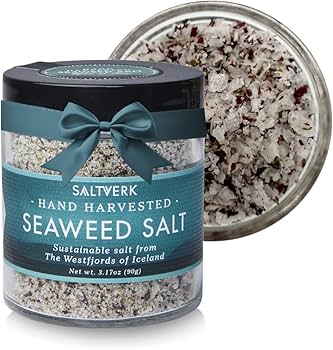
Sustainability Data: Seaweed farming is known for its positive impact on the environment, including carbon sequestration and reducing ocean acidification. Thorverk is committed to responsible harvesting practices, ensuring the long-term health of seaweed populations. Source: https://thorverk.is/
Nordic Flavors: Explore the innovative use of seaweed in Nordic cuisine with Chef Ylfa Helgadottir at the Dill Restaurant. (Unfortunately, Dill is currently closed, but seek out other Nordic restaurants featuring creative uses of seaweed such as Messinn or Matur & Drykkur) Helgadottir incorporates various types of seaweed into her dishes, creating unique and flavorful experiences that showcase Iceland's natural ingredients. Expect to pay around $75-$125 per person.
Actionable Items:
- Participate in a hands-on seaweed harvesting workshop with Thorverk. Be aware that harvesting seaweed in some areas may require permits; check local regulations.
- Learn to identify different types of seaweed and their culinary applications.
- Prepare dishes like seaweed salad, seaweed-infused soups, and other innovative creations.
Lobster Conservation and Culinary Adventures in Bar Harbor, Maine, USA
Head to the rocky coast of Maine and experience the iconic lobster in a sustainable way. Trenton Bridge Lobster Pound (https://trentonbridgelobster.com/) partners with local fishermen who practice sustainable lobster fishing techniques, ensuring a healthy lobster population for generations to come. Explore their facilities for educational tours detailing the lobster lifecycle.
Sustainability Data: Trenton Bridge Lobster Pound works with fishermen who use traps with escape vents, allowing juvenile lobsters to escape and grow to maturity. This helps maintain a healthy lobster population and ensures the long-term viability of the fishery. Source: https://trentonbridgelobster.com/
Chef's Choice: Indulge in Chef Ric Orlando’s lobster bisque at New World Bistro Bar (though it's located in Albany, NY, you can make it a stop on your way in or out of Maine) featuring lobster sourced from sustainable suppliers like Trenton Bridge Lobster Pound. Orlando is known for his commitment to local and sustainable ingredients.
Actionable Items:
- Take an educational tour at Trenton Bridge Lobster Pound to learn about lobster conservation efforts.
- Watch lobsters being weighed and banded, and learn about the different lobster grades.
- Enjoy a delicious lobster dinner at Trenton Bridge Lobster Pound knowing you are supporting sustainable fishing practices.
Navigating the Waters: Avoiding Greenwashing in Sustainable Seafood Tourism
Sustainable seafood is a growing trend, but it's important to be aware of "greenwashing," where companies exaggerate or falsely claim their products or practices are environmentally friendly. Here are some tips to help you make informed choices:
Look for Certifications: Seek out seafood with certifications like the Marine Stewardship Council (MSC) for wild-caught seafood, which indicates that the fishery meets rigorous standards for sustainability. The Aquaculture Stewardship Council (ASC) certifies farmed seafood that adheres to responsible aquaculture practices.
Ask Questions: Don't hesitate to ask tour operators and restaurants specific questions about their sourcing practices, waste management, and conservation efforts. Here are some examples:
- Where do you source your seafood?
- What fishing or farming methods are used?
- Do you have any third-party certifications?
- What measures do you take to minimize your environmental impact?
- Can your business trace the origin of its product?
Research: Investigate the reputation of the businesses you are considering. Check for any documented cases of unsustainable practices or negative environmental impacts. Resources like the Environmental Defense Fund Seafood Selector (https://www.edf.org/seafood) can provide valuable information.
Verify Claims: Look for quantifiable data to support sustainability claims. Vague statements like "eco-friendly" or "sustainable" without specific details should raise a red flag. Demand to see the statistics that substantiate claims.
Gear Guide for Sustainable Seafood Adventures
Pack these eco-friendly essentials for your sustainable seafood culinary tour:
- Wooden Utensils: Bamboo cutlery sets from Bambu (https://bambuhome.com/) are lightweight, durable, and biodegradable.
- Reusable Containers: Stainless steel lunchboxes from EcoLunchbox (https://www.ecolunchboxes.com/) are perfect for storing leftovers or packing snacks.
- Water Bottles: Stay hydrated with reusable water bottles from Klean Kanteen (https://www.kleankanteen.com/), made from durable stainless steel.
Sustainable seafood culinary tourism offers a delicious and meaningful way to explore the world. By choosing responsible tour operators, restaurants, and products, you can support healthy oceans, thriving local communities, and a more sustainable future. So, pack your bags, sharpen your culinary skills, and get ready for an unforgettable adventure that nourishes both your body and your soul! Book your sustainable seafood culinary tour today and travel with a purpose.