Sustainable Botswana Travel: An Unforgettable Jo...
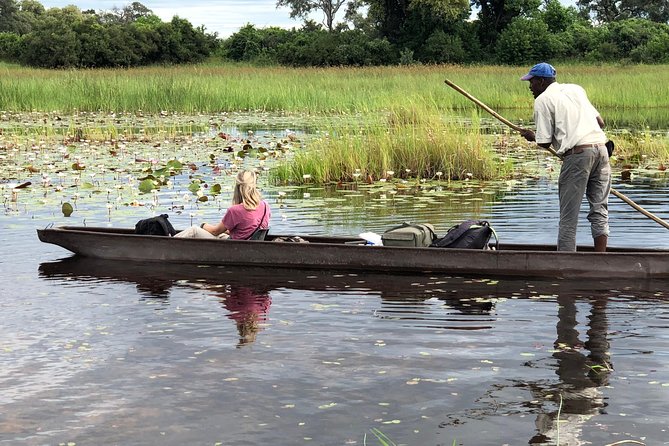
Botswana. The name itself conjures images of vast, untamed landscapes teeming with wildlife. But a trip to Botswana is more than just a safari; it's an opportunity to witness firsthand how sustainable tourism can protect both its natural wonders and the vibrant communities that call it home. My recent journey to this remarkable country was a testament to the power of responsible travel, an experience that resonated deeply and left me forever changed. This is my story, a peek into a world where conservation and culture intertwine, and where every traveler can make a difference.
Jackalberry Chobe: Immersion in the African Bush with a Conscience
My adventure began at Jackalberry Chobe, a stunning lodge nestled on the banks of the Chobe River. From the moment I arrived, I was enveloped in the tranquility of the African bush. The ambiance was simply magical – the gentle sounds of the river, the distant calls of wildlife, and the rustling of leaves in the wind created a symphony of nature. 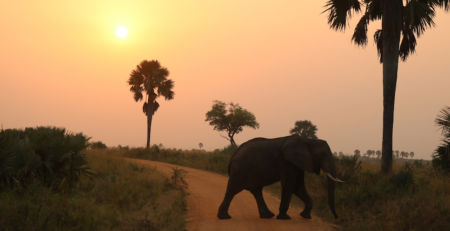
Jackalberry Chobe is more than just a beautiful place to stay. Their commitment to sustainable practices is evident in every detail. Solar panels provide much of the lodge's power, significantly reducing their carbon footprint. They have comprehensive waste management programs in place, minimizing their impact on the environment. Perhaps most importantly, Jackalberry Chobe actively partners with local communities to support education, ensuring that the benefits of tourism are shared with those who need it most. Staying here wasn’t just luxurious; it was a conscious choice.
Rhinos Without Borders: Witnessing Rhino Conservation in Action
One of the most impactful experiences of my trip was learning about and (in a small way) witnessing the work of "Rhinos Without Borders," a truly inspiring initiative operating in the Okavango Delta. This project is dedicated to relocating rhinos from poaching hotspots in South Africa to the safer haven of Botswana, giving these magnificent creatures a fighting chance for survival.
While I didn't have direct interaction with the rhinos themselves (their protection is, of course, paramount), I learned a great deal about the project from conservation workers involved. They explained the immense challenges of translocation, the constant threat of poaching, and the vital role of community involvement in ensuring the rhinos' safety. Rhinos Without Borders works closely with local communities, providing them with training and employment opportunities related to rhino monitoring and protection. This fosters a sense of ownership and responsibility, making them active participants in conservation efforts. Knowing that my visit contributed to the sustainability of tourism, which in turn supports conservation efforts like Rhinos Without Borders, made my trip even more fulfilling.
A Taste of Botswana: Flavors Rooted in Tradition
Botswana's culinary scene is as rich and diverse as its landscapes. I was eager to sample traditional dishes and experience the authentic flavors of the region.
Seswaa: My first culinary adventure was with Seswaa. This traditional dish is prepared by slow-cooking beef under ground for several hours in a sealed pot. The result is incredibly tender, flavorful meat that simply melts in your mouth. The flavors are deep and savory, with a hint of earthiness from the slow-cooking process.
Dithlokwa Beans: I also had the pleasure of trying Dithlokwa beans, sourced directly from Mmamosadi Letsholo of Maun. These beans were exceptional! They had a rich, earthy flavor with a slightly sweet undertone. The texture was creamy and satisfying. Knowing that these beans came directly from a local farmer made the experience even more special. Supporting local producers is a key aspect of responsible tourism, and it enhances the culinary experience as well.
Vegan Delights at Maun Market: Exploring the local market in Maun was a feast for the senses. I was delighted to discover several vegan and vegetarian options, including veggie Sosaties. These grilled skewers were packed with colorful vegetables and marinated in a flavorful blend of spices. They were a delicious and affordable way to experience the local flavors. The vibrant atmosphere of the market, the friendly vendors, and the abundance of fresh produce made it a truly memorable experience.
Okavango Community Trust: Empowering Local Artisans
Community engagement is at the heart of sustainable tourism in Botswana. The Okavango Community Trust (OCT) plays a vital role in empowering local communities and ensuring that they benefit from tourism activities. The OCT supports various projects, including craft production, tourism ventures, and natural resource management.
Visitors can support the OCT's work by purchasing crafts from their artisans. I had the pleasure of visiting one of the OCT-supported craft centers and was amazed by the talent and creativity of the local artisans. I purchased a beautifully hand-woven basket, crafted from local reeds. It's not just a souvenir; it's a tangible reminder of the positive impact that tourism can have on local communities. Supporting organizations like the OCT is a direct way to contribute to community empowerment and sustainable development.
Minimizing Your Environmental Impact: Travel Responsibly
Traveling sustainably is not just a trend; it's a necessity. There are many simple steps that visitors can take to minimize their environmental impact in Botswana. One easy way is to use refillable water bottles. "Water for Wildlife" is a local NGO that supplies clean drinking water, reducing the need for single-use plastic bottles.
Another important step is to support local businesses whenever possible. Instead of buying from chain supermarkets, opt for small, locally owned shops like Spar Express Maun. I purchased some snacks and drinks at Spar Express Maun, and was impressed by their selection of local products. While the prices might be slightly higher than at a chain supermarket, the economic benefit to the community is significant. Plus, you're more likely to find unique, locally sourced items that you won't find anywhere else.
Tsodilo Hills: Exploring the "Louvre of the Desert"
Instead of the Khawa Dune Challenge, I opted to visit the Tsodilo Hills, a UNESCO World Heritage Site often referred to as the "Louvre of the Desert." This ancient site is home to thousands of rock paintings, some dating back over 20,000 years. Exploring the hills with Mathambo Guides was an unforgettable experience.
Our guides were incredibly knowledgeable about the history and culture of the area. They shared stories about the San people, who have lived in the Tsodilo Hills for millennia, and explained the meaning of the rock paintings. The paintings depict animals, human figures, and geometric patterns, offering a glimpse into the spiritual beliefs and daily lives of the San people. Hiking through the hills, surrounded by these ancient artworks, was a truly humbling experience. I learned so much about the history and culture of Botswana from the guides, making my visit both educational and enriching. Mathambo Guides are essential to preserve and share the stories of the Tsodilo Hills for future generations.
Vermilion and Magenta Hues: A Botswana Sunset
The sunsets in Botswana are simply breathtaking. Forget "golden hour;" I was mesmerized by the vermilion and magenta hues that painted the sky each evening. The light transformed the landscape, casting a warm glow over the savannah and turning the Chobe River into a shimmering ribbon of color. Watching the sunset from Jackalberry Chobe was a perfect way to end each day, reflecting on the incredible experiences I had and feeling grateful for the opportunity to witness the beauty of Botswana. The vibrant colors were a constant reminder of the vibrant culture and natural wonders of this extraordinary country.
My journey through Botswana was an unforgettable experience, a testament to the power of sustainable tourism and the importance of responsible travel. From the luxurious eco-lodge to the inspiring conservation efforts, every aspect of my trip was designed to minimize environmental impact and maximize community benefit. I left Botswana with a renewed sense of hope for the future of tourism, and a commitment to continue supporting sustainable practices wherever I travel.
Ready to explore Botswana?
Start planning your ethical adventure today and experience the magic of Botswana while making a positive impact! Visit vistalocation.com to book your sustainable getaway.
TikTok Video Script
(0:00-0:03) HOOK:
- Visual: Dramatic slow-motion shot of the vermilion and magenta hues of the sunset over the Chobe River. Light reflects on the water.
- SFX: Gentle nature sounds, ambient music.
- Action: Camera rapidly zooms in on a herd of elephants drinking at the river's edge.
(0:03-0:15) SCENE 1:
- Visual: Time-lapse footage of Jackalberry Chobe camp at night. Solar panels gleaming under the moonlight.
- SFX: Upbeat, African-inspired music starts.
(0:15-0:30) SCENE 2:
- Visual: GoPro POV shot of a guided walk with Mathambo Guides through Tsodilo Hills. Dynamic lighting highlights ancient rock art.
- SFX: Music becomes more energetic, incorporating rhythmic drum beats.
(0:30-0:45) TWIST:
- Visual: Quick cut to YOU, looking surprised and joyful, holding up a hand-woven basket purchased from the Okavango Community Trust artisans (show close-up detail).
- SFX: Music swells, positive and uplifting.
(0:45-0:50) VOICE OVER: "This trip wasn't just beautiful…" (while holding the basket)
(0:50-0:55) VOICE OVER: "...it was meaningful!" (big smile)
(0:55-0:60) END SCREEN:
- Visual: Text overlay: "Botswana: Travel Responsibly." Vistalocation.com logo.
- SFX: Final musical flourish.
- Action: Add relevant hashtags: #Botswana #SustainableTravel #Africa #TravelTikTok #Ecotourism #CommunityTourism #RhinosWithoutBorders #ResponsibleTravel