
Summiting with a Conscience: Photographic Expedi...
More and more, travelers are seeking impactful experiences that not only provide stunning views and cultural immersion but also minimize environmental harm and support local communities. This article showcases three unique mountain adventures that prioritize sustainability, allowing you to explore some of the world's most breathtaking peaks with a clear conscience. Get ready to be inspired to embrace responsible adventure travel and create lasting memories while protecting our planet. From the slopes of Kilimanjaro to the granite faces of Yosemite, these photographic expeditions offer a powerful way to connect with nature and contribute to a better world.
Kilimanjaro, Tanzania: A Summit of Stars and Sustainability
The challenge of summiting Kilimanjaro is matched only by the reward: witnessing the African sunrise from the "Roof of Africa." This trek is a challenging endeavor, requiring several months of physical preparation, but the experience of standing atop the highest peak in Africa is unparalleled. Permits are required and can be obtained through authorized tour operators. The climb is a fantastic opportunity to practice sustainable mountain travel.
Photography Focus: Capturing the Milky Way
Kilimanjaro offers an incredible opportunity for time-lapse photography of the night sky. Imagine capturing the Milky Way stretching over the iconic peak. To capture long-exposure shots in low-light conditions, use a sturdy tripod, a camera with high ISO capabilities, and an intervalometer. Remember to practice Leave No Trace mountain photography by not disturbing the surrounding environment while setting up your shot.

Cuisine: Fueling the Climb with Tanzanian Flavors
Ugali (maize flour porridge) and Mshikaki (marinated grilled meat skewers) are staple foods for trekkers on Kilimanjaro. Ugali provides a sustained release of energy, crucial for long days of hiking, while Mshikaki offers a delicious source of protein. Ugali holds a significant place in Tanzanian cuisine and culture, representing a connection to the land and tradition. Here's a simple recipe to try at home:
Ugali Recipe:
- Bring 4 cups of water to a boil in a saucepan.
- Gradually add 2 cups of maize flour, stirring constantly to avoid lumps.
- Continue stirring vigorously over medium heat for about 15-20 minutes, until the mixture thickens to a dough-like consistency and pulls away from the sides of the pan.
- Serve hot with your favorite stew or grilled meat.
Sustainable Gear for Kilimanjaro
Choose durable hiking boots from brands committed to fair labor practices and recycled materials. Invest in a high-quality water filter to eliminate the need for single-use plastic bottles. These steps contribute to a Kilimanjaro sustainable climb.
Ethical Tour Operator: G Adventures
G Adventures is committed to porter welfare and environmental conservation on Kilimanjaro. They ensure fair wages and working conditions for porters and implement sustainable practices to minimize their environmental impact. Explore their Kilimanjaro tours: G Adventures Kilimanjaro Tours.
Eco-Friendly Lodging: Solar-Powered Camps
Consider staying at solar-powered camps along the Marangu Route, emphasizing their low environmental impact and commitment to renewable energy. These camps offer a comfortable and sustainable base for your Kilimanjaro adventure.
Responsible Practices on the Mountain
Practice responsible waste disposal by packing out everything you pack in. Adhere to Leave No Trace principles, minimizing your impact on the fragile mountain ecosystem. Respect the local culture and traditions of the Tanzanian people.
The Pyrenees, France/Spain: Shepherding Traditions and High Pasture Light
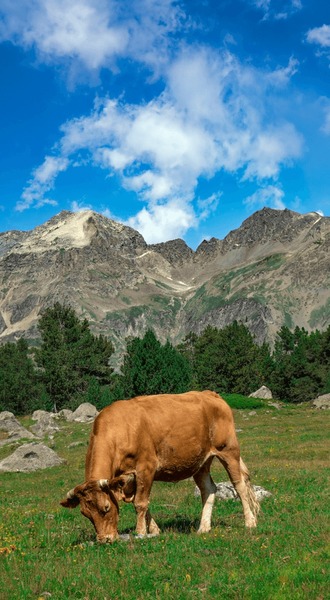
Immerse yourself in the traditional shepherding techniques of the French or Spanish Pyrenees. This experience offers the unique opportunity to work alongside local shepherds, learning about different sheep breeds, grazing patterns, and the intricate process of cheese-making. This journey requires a moderate fitness level, involving daily hikes in mountainous terrain, typically lasting 5-7 days. Discover the beauty of the Pyrenees through Pyrenees photography tours.
Photography Focus: Golden Hour in the Pyrenees
Capture the golden light of the high pasture grasslands during sunrise and sunset. Use composition techniques to emphasize the vastness of the landscape and utilize natural light to convey its beauty. A wide-angle lens is ideal for capturing expansive landscapes, while a telephoto lens allows for wildlife photography.
Cuisine: A Taste of the Pyrenees
Migas (fried breadcrumbs with chorizo and vegetables) and Ternasco Asado (roasted lamb) are traditional dishes from the Pyrenees, deeply connected to the region's agricultural heritage. Migas is a hearty and flavorful dish that utilizes stale bread, showcasing the resourcefulness of Pyrenean cuisine. Here’s a recipe:
Migas Recipe:
- Soak 2-day-old bread in water until softened. Squeeze out excess water and crumble the bread.
- Sauté chorizo and vegetables (such as onions, peppers, and garlic) in olive oil.
- Add the crumbled bread and cook until golden brown and crispy, stirring frequently.
- Season with salt, pepper, and paprika to taste.
Sustainable Gear for the Pyrenees
Opt for merino wool clothing for its temperature-regulating and odor-resistant properties. Choose brands committed to ethical sheep farming practices and sustainable production methods.
Ethical Tour Operator: KE Adventure Travel
KE Adventure Travel is dedicated to community-based tourism initiatives in the Pyrenees, supporting local farmers and preserving traditional ways of life. Learn more about their Pyrenees walking tours: KE Adventure Travel Pyrenees Walking Tours.
Eco-Friendly Lodging: Gîtes in the Pyrenees
Stay in converted farmhouses (gîtes) that prioritize local sourcing and sustainable building materials. These accommodations offer an authentic and eco-conscious experience in the Pyrenees.
Responsible Practices in the Pyrenees
Respect local customs, minimize disturbance to wildlife and livestock, and support local businesses. Engaging in these practices allows you to partake in responsible travel Pyrenees hiking and photography.
Yosemite Valley, USA: Rock Climbing Immersion and Granite Majesty
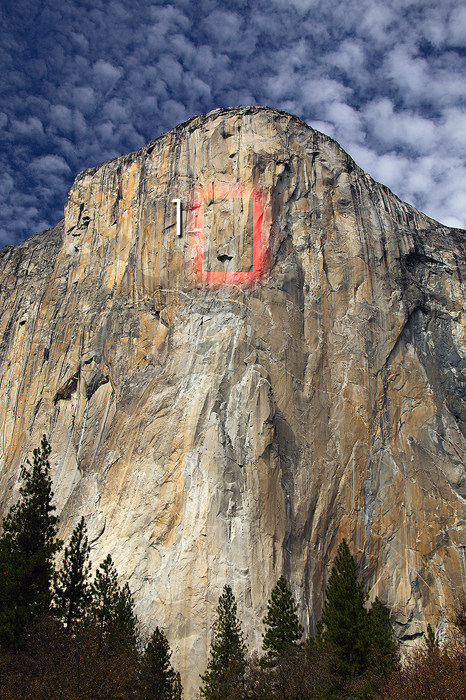
Experience the thrill of rock climbing in Yosemite Valley, learning foundational skills or tackling iconic climbs like El Capitan (for experienced climbers only). This adventure requires varying fitness levels, depending on the climb, and necessary certifications, such as Wilderness First Aid or climbing certifications. Explore Yosemite responsible travel guide for additional information.
Photography Focus: Capturing Climbers on Iconic Faces
Capture dramatic shots of climbers on El Capitan or Half Dome, emphasizing the scale of the rock faces and the determination of the climbers. Use telephoto lenses to capture detail from a distance and master the art of capturing action shots.
Cuisine: The Legendary Half Dome Burger
The Half Dome Burger at the Yosemite Valley Lodge has become a culinary staple. Its evolution over time reflects the changing tastes and preferences of visitors to Yosemite, but its iconic status remains.
Sustainable Gear for Yosemite
Choose climbing ropes made from recycled materials and chalk bags from brands committed to environmental conservation. Support companies that prioritize sustainability in their production processes.
Ethical Tour Operator: Yosemite Mountaineering School
The Yosemite Mountaineering School is dedicated to responsible climbing practices and environmental education. They offer courses and guided climbs that emphasize safety, respect for the environment, and Leave No Trace principles. Discover their offerings at Yosemite Mountaineering School.
Eco-Friendly Lodging: Yosemite Valley Lodge
Stay at the Yosemite Valley Lodge, which is actively working to reduce water consumption and energy usage through various sustainability initiatives.
Responsible Practices in Yosemite
Pack out all trash, stay on designated trails, respect wildlife, and avoid disturbing sensitive areas. These actions promote sustainable mountaineering practices in Yosemite.
Conclusion: Adventure with a Conscience
Choosing sustainable travel options is more important than ever. By seeking out experiences that benefit both ourselves and the planet, we can contribute to a more responsible and equitable future. Explore the world with a clear conscience, knowing that your adventures are making a positive impact. Visit vistalocation.com to discover more responsible travel destinations and plan your next adventure today! Embrace the call for responsible adventure travel.